OpenAI’s Chief Executive Officer, Sam Altman, testified in court on Tuesday as he defended himself and the company against a lawsuit filed by Elon Musk.
Altman is expected to be among the final witnesses in the high-profile trial, which has set two of the technology industry’s most influential figures against each other in a tense legal battle.
Musk alleges that Altman and OpenAI violated the company’s founding agreement by converting it into a for-profit entity.
He claims Altman misled him into co-founding the organisation and contributing tens of millions of dollars in funding, and further accuses him of unjustly enriching himself.
Musk is seeking Altman’s removal as CEO, the transfer of $134bn to OpenAI’s non-profit arm, and a reversal of the company’s for-profit restructuring.
OpenAI and Altman, have dismissed Musk’s allegations, insisting they are unfounded.
They contend that Musk’s lawsuit is driven by resentment following his unsuccessful attempt to take control of the AI company in 2018 and his later exit from its board.
The company maintains that Musk was fully aware of discussions about establishing a for-profit structure and stresses that OpenAI’s non-profit arm continues to retain oversight of the for-profit entity.
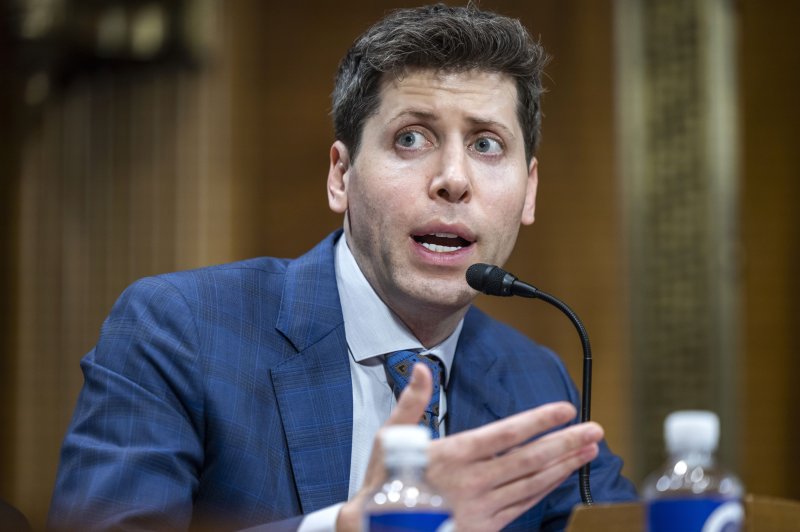
When Sam Altman took the witness stand shortly before 9am local time at the federal courthouse in Oakland, California, he opened his testimony by outlining his career in the technology sector before responding directly to several of Musk’s allegations.
“You, as you know, have been accused of stealing a charity,” OpenAI’s lawyer asked Altman. “What is your response to that?
“It feels difficult to even wrap my head around that framing,” Altman responded. “We created the largest or one of the largest charities in the world.”
“What would you say to the suggestion that OpenAI was Mr Musk’s startup?” OpenAI’s lawyer asked.
“I would not agree with that characterization at all,” Altman replied.
In his testimony, Sam Altman said that discussions took place at OpenAI in 2017 about forming a for-profit arm, but the plans collapsed amid disagreements over ownership and control. According to Altman, Musk wanted to lead the organisation as CEO.
Altman further alleged that when Musk was asked what would happen to control of the company if he were to die, the billionaire suggested it could pass to his children.
“Mr Musk felt very strongly that if we were going to form a for-profit, he needed total control over it initially,” Altman said, adding that Musk’s request made him “extremely uncomfortable”.