Nigeria’s inflation rate may increase for the second consecutive month, reaching 15.95 per cent in April 2026, amid rising fuel prices, food supply challenges, and renewed pressure from global oil market volatility.
This projection was contained in the latest Coronation Inflation Outlook released on Thursday.
The report warned that the country’s period of easing inflation may be facing renewed pressure due to geopolitical developments and domestic structural issues.
Although inflationary pressures had shown signs of moderation in previous months, recent developments in global energy markets and food production constraints could reverse the trend.
“The geopolitical oil shock that shaped the March inflation outcome has persisted,” the report stated, noting that the impact on Nigeria has been transmitted mainly through higher petrol prices.
It added that the average cost of Premium Motor Spirit rose sharply from ₦1,208.38 per litre in March to ₦1,322.50 in April, representing a 9.44 per cent increase.
The report explained that the rise in fuel costs is expected to further affect transportation expenses, logistics, and haulage costs, with likely ripple effects across sectors of the economy.
“The transport sub-index is projected to accelerate further as secondary adjustments in transport fares, logistics, and intra-city movement costs continue to reflect higher energy prices,” it said.
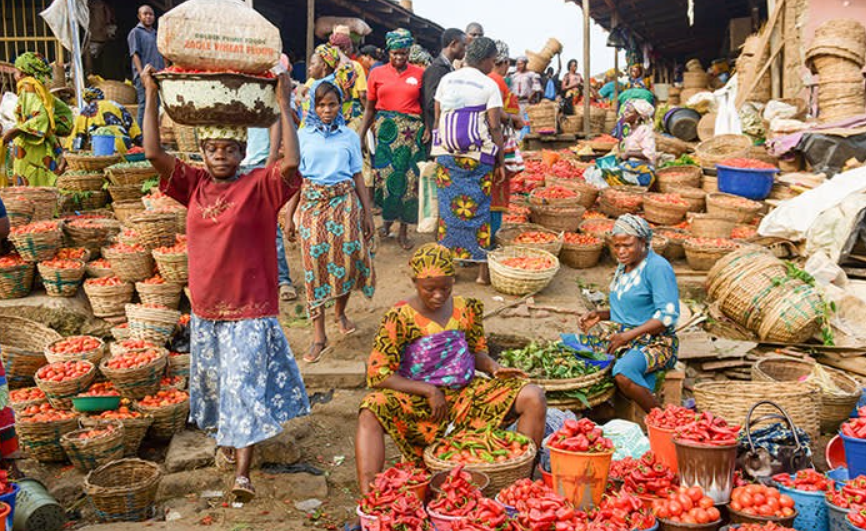
Although festive demand pressures have eased, food inflation remains a major concern, particularly for staple crops such as yam, cassava, and tomatoes.
The report attributed the sustained rise in food prices to structural challenges, including insecurity in major agricultural-producing areas, especially in northern Nigeria.
“The persistence of inflationary pressure on key food staples reflects supply-side disruptions, particularly insecurity-related challenges in major food-producing states, which monetary policy alone may not quickly address,” the outlook noted.
It also observed increasing pressure in core inflation, which excludes volatile food and energy prices, indicating that rising business costs are now affecting sectors such as hospitality, restaurants, accommodation, and education.
“Core inflation is signalling an emerging expansion of price pressures beyond traditionally volatile components,” the report stated, adding that delayed effects of rising energy costs are expected to push service prices higher.
The development presents a challenge for the Central Bank of Nigeria’s Monetary Policy Committee, which had earlier been expected to consider interest rate cuts later in the year.
However, the report suggested that such expectations may now be delayed.
“The possibility of resuming monetary easing in the third quarter of 2026 appears increasingly difficult to justify. The earliest feasible period for a rate cut may now shift to September,” it stated.