
The Federal Government has kicked off preparations for the 2027 budget with the inauguration of a subcommittee tasked with reviewing existing fiscal and tax reforms and drafting an implementable Finance Bill.
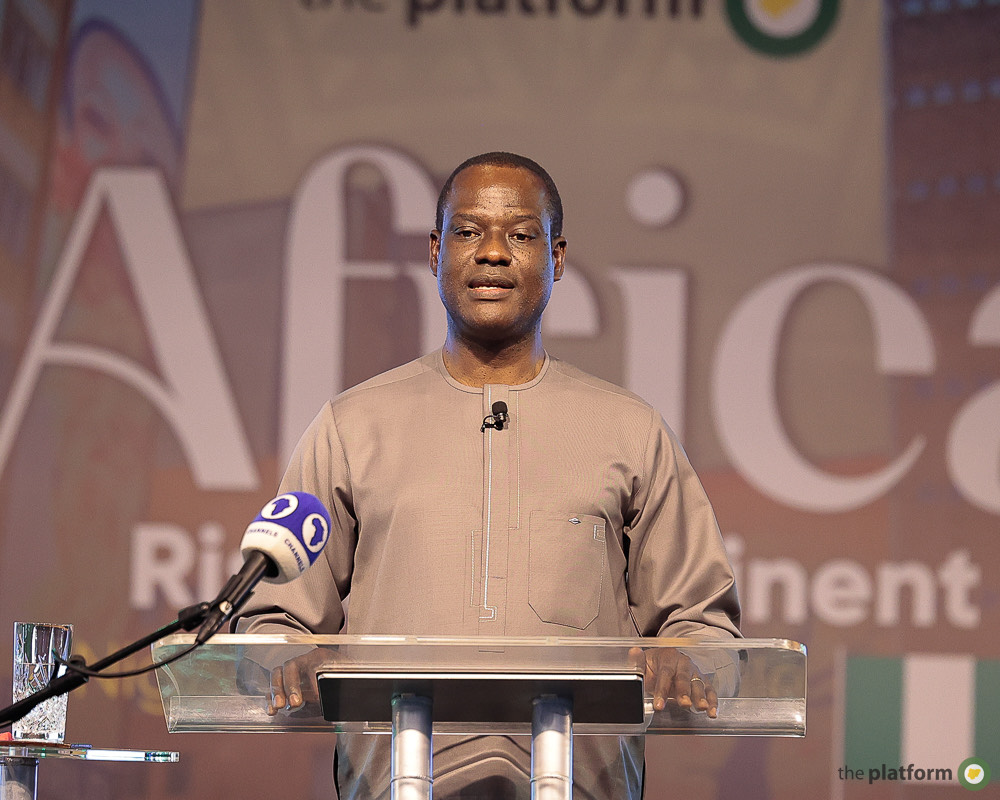
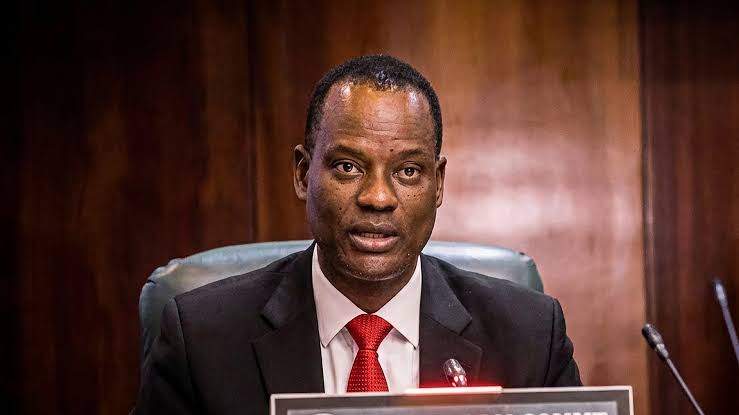
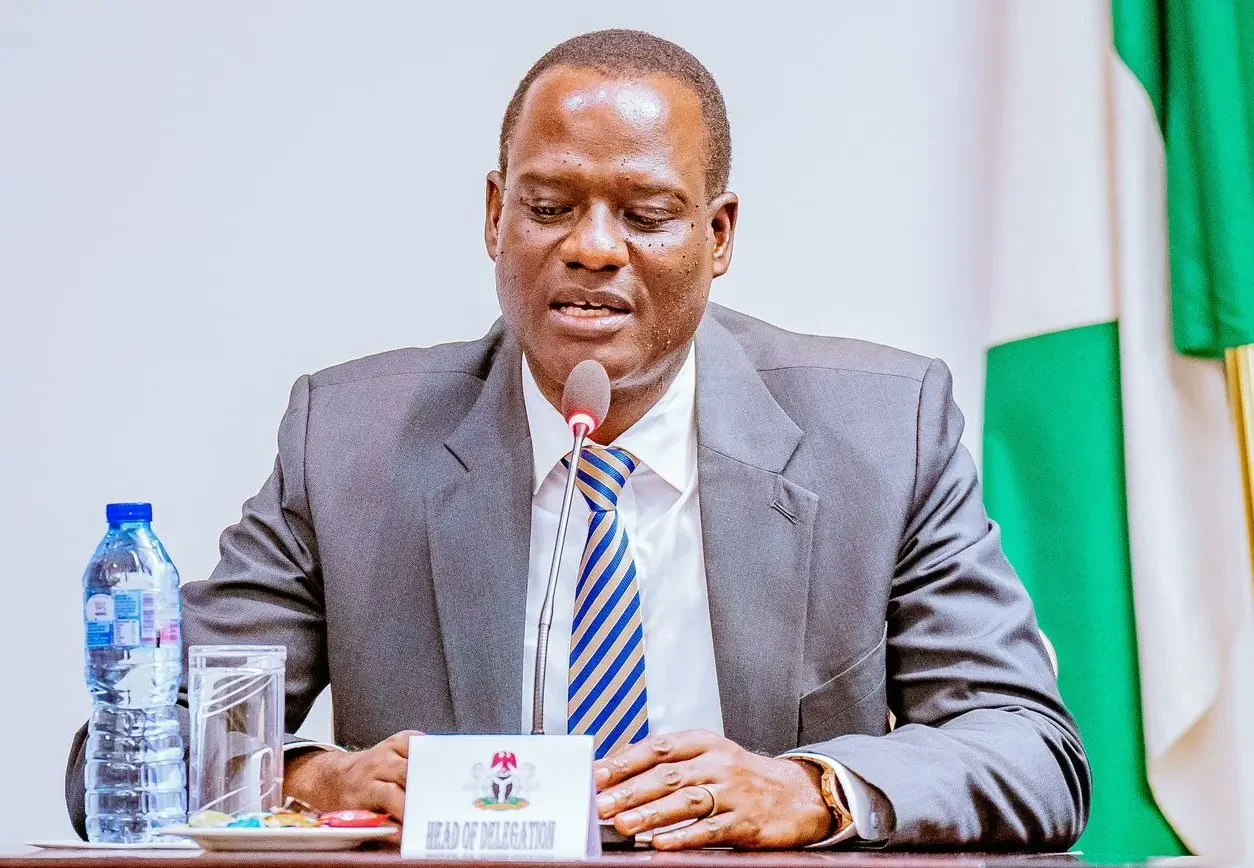
The Subcommittee on Fiscal Policy and Tax Reforms was inaugurated on Thursday in Abuja by the Minister of Finance and Coordinating Minister of the Economy, Mr Taiwo Oyedele.
The Finance Bill, which typically accompanies the annual budget, sets out the legislative framework for the fiscal policies and tax measures contained within it.
Oyedele tasked the committee, chaired by Permanent Secretary Mr Raymond Omachi, with Mr Albert Folorunsho serving as Co-Chair, to ensure that the 2027 Finance Bill responds effectively to emerging economic realities.
He said the bill should build on the core principles of the 2025 reforms while addressing gaps that have surfaced during implementation.
Oyedele said: “The Finance Bill 2027 should not be seen as just another annual legislative exercise. Our task is not to rewrite the 2025 reforms, but to preserve their fundamental principles while learning from implementation and responding to new economic realities.
“We must ask where implementation has revealed ambiguity, where unintended consequences have emerged, where compliance can be simplified, and where we can improve investment and competitiveness.”
The minister revealed that the public call for inputs into the 2027 Finance Bill drew more than 134 online memoranda, in addition to numerous hard-copy submissions.
He said the volume of response highlighted the importance of giving Nigerians a voice in shaping fiscal policy.
Describing the committee’s mandate as “another important step in Nigeria’s continuing fiscal and tax reform journey,” Oyedele said it marked a shift “from fundamental reform to continuous improvement.” According to him, “No serious reform ends with the enactment of legislation. Good reform is a process, not an event.
“The real test begins when the law meets the economy, as businesses interpret it, administrators implement it, investors respond to it, and citizens experience it.”
Oyedele urged the committee to pinpoint ambiguities, unintended consequences and unnecessary compliance burdens stemming from implementation, while proposing measures to boost investment, competitiveness and productivity.
He said the government had deliberately invited businesses, investors, professional bodies, civil society organisations, academia and citizens to submit practical, evidence-based proposals.
The minister directed the committee to weigh submissions strictly on their merits, guided by evidence and national interest, stressing that the economy must be assessed holistically.
He observed that a measure designed to boost revenue could end up imposing a greater cost on the wider economy if its broader implications were left unconsidered.
Oyedele further directed the committee to prioritise competitiveness and productivity by proposing measures that attract investment, expand production, promote competitive manufacturing and encourage formalisation.
The subcommittee has been given six weeks to submit its report to the minister.