The Federal Government has strongly defended its proposed $21.7 billion external borrowing plan. It described the plan as a long-term investment in infrastructure, human capital and economic growth, not an additional debt burden.
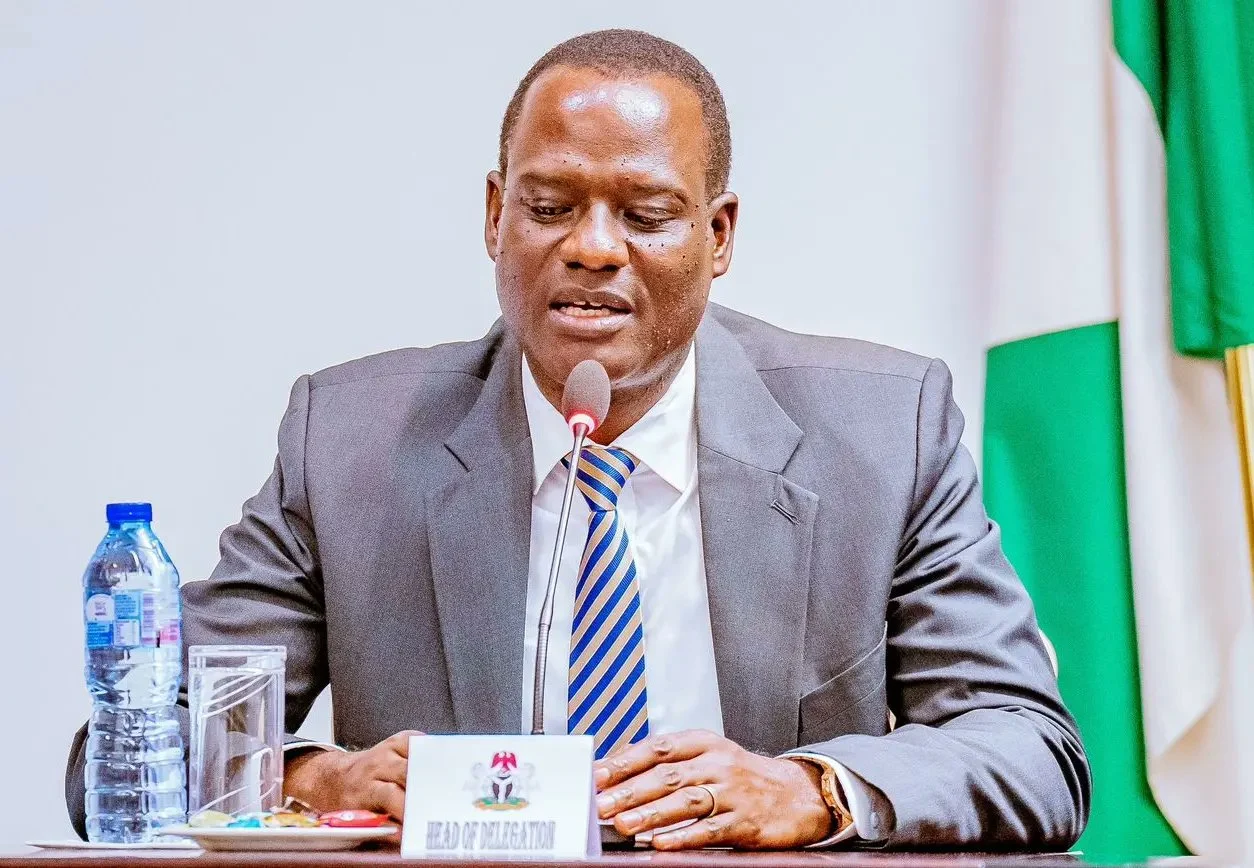
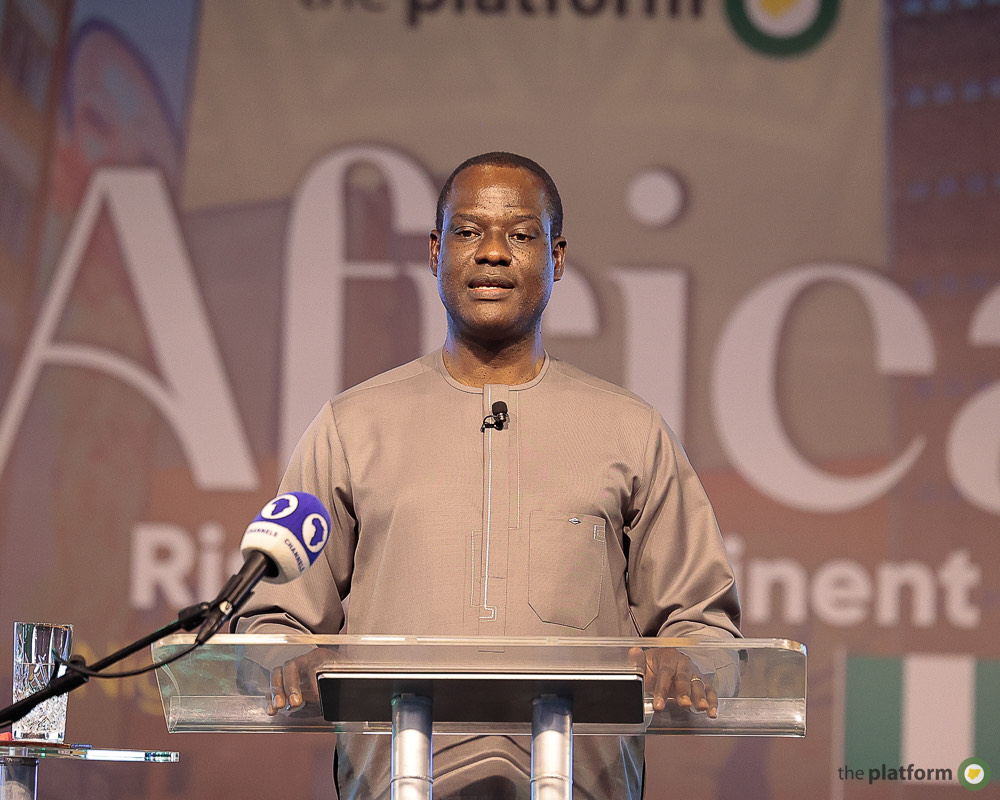
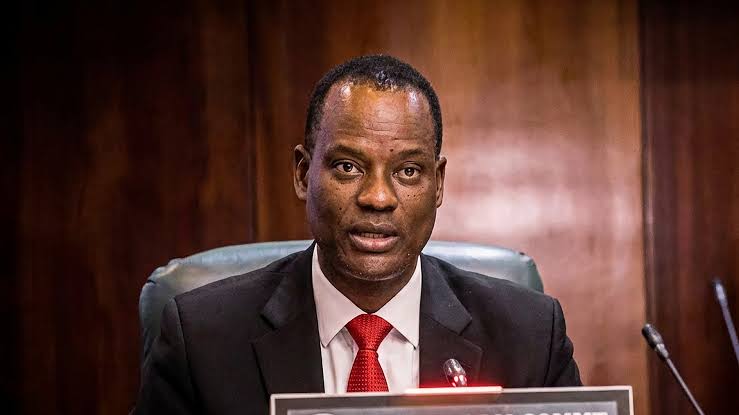
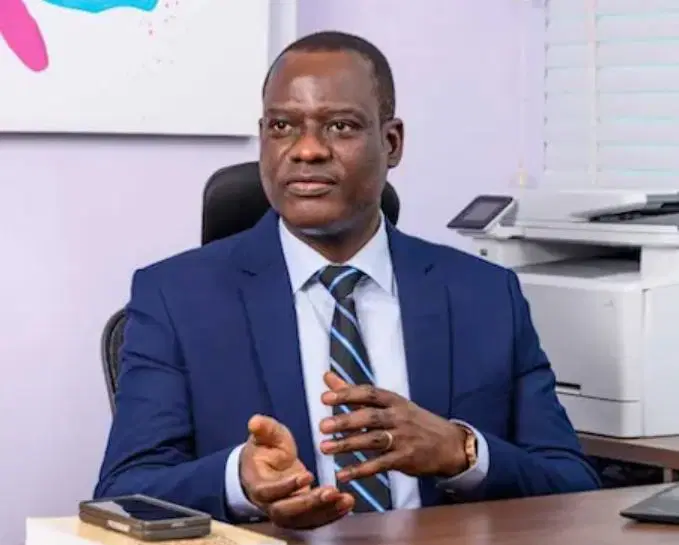
The Minister of Finance and Coordinating Minister of the Economy, Taiwo Oyedele, made the clarification while briefing State House correspondents after the Federal Executive Council meeting.
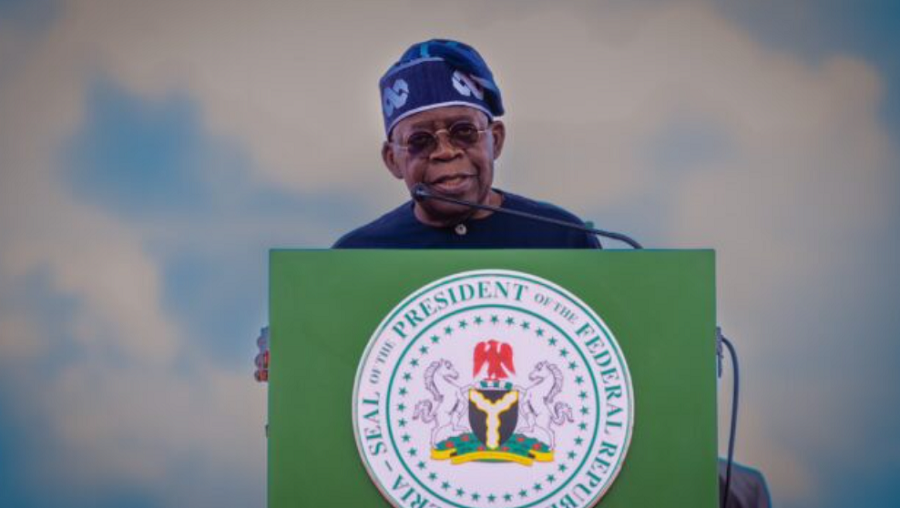
The meeting was presided over by President Bola Tinubu at the Council Chamber of the presidential villa, Abuja.
Oyedele said the five-year project financing plan was designed to create productive assets whose long-term economic value would outweigh the cost of borrowing.
Presenting the highlights of the meeting, he said the plan covered critical investments in transportation, defence and security, health, agriculture, energy, digital infrastructure, small businesses, social protection, environmental protection and education.
He disclosed that about $10.6 billion had been earmarked for transportation infrastructure. The projects include major highways such as the Sokoto-Badagry and Lagos-Calabar coastal highways, as well as the Kano-Kaduna Metro Rail project.
The minister clarified that the proposal was a financing plan submitted to the National Assembly. He said it did not mean the entire amount had already been borrowed or would necessarily be drawn down in full.
According to him, the Federal Government was acting as the coordinating authority for external financing covering federal, state and other public-sector projects.
He said about $4.8 billion of the proposed financing was allocated to projects involving state governments, the Federal Capital Territory and other subnational entities, agencies and development finance institutions.
Oyedele said about $7.9 billion would come from multilateral and bilateral development partners. This includes $5 billion from the World Bank at concessional rates averaging 2.1 per cent.
He added that the indicative average interest rate on the commercial component was 7.8 per cent. He said this was below the rate on Nigeria’s November 2025 Eurobond.
The minister argued that borrowing could strengthen the country’s balance sheet if the resulting investments produced assets and economic benefits exceeding their financing costs.
Citing the Dangote Refinery as an example, he said large-scale projects often required external financing to be completed within a reasonable period. He added that Nigeria needed to take a similar approach to transformative infrastructure.
He explained, “As I said, there were 10 of them. I’ll just briefly speak to about four of them. One of them was a 155.9 million euro credit from Deutsche Bank and some other banks directed at upgrading about 132/33 kV substations and a few other ones. There are five of them, actually, five new ones under the Presidential Power Initiative Bash One. Essentially, this is a government intervention that will help ensure more reliable power for homes and businesses and lower energy costs.
“Another memo was with respect to a $970m syndicated term loan by Standard Chartered Africa Finance Corporation on rolling stock for the Karu-Maradi rail line. What is the essence of this? This will give us shipper freight, regional trade, the Northern Economic Corridor and lower prices for logistics, inflation and price levels.
“Another one was 76.8 million euros. This is from the ECOWAS Bank, and it is credit to Bauchi State for the Transport Infrastructure Development Programme, and this is going to help us with rural and urban roads, and to build farm-to-market access roads that will help with food security.
“And finally, council approved the investment in a non-intrusive inspection scanner for technical support, repairs, and maintenance to the Nigerian Customs Service. What is the essence of this? It will help with faster cargo clearance, less smuggling, and less misclassification. And we can then detect when some evil people want to bring in contraband and dangerous small weapons to our country.”
He further stated, “So, another part of this presentation is on the borrowing plan that was presented to the National Assembly. Altogether, if you convert the euro amount and add it to the dollar amount, it comes to $21.7bn. And we’ve seen some people with commentary saying that we are borrowing X, Y, Z.
“I’m pleased and excited to inform you that actually this does not qualify as borrowing. This qualifies as investment, and I will explain that to you in the next few minutes. Now, so what is this all about? This is an amount or a plan.
“First and foremost, this is a plan. It doesn’t even mean that we borrow all of it. So it’s a plan. The average lifespan of the project under this plan is five years, by the way. So, this means countries need to plan. You can’t be doing everything based on spontaneity and randomness. Now, these amounts, about $10.6bn out of it, are for investment in transportation infrastructure”.
On the state of the economy, Oyedele said Nigeria’s economic indicators had improved since President Tinubu introduced major reforms in May 2023. He acknowledged, however, that significant challenges remained.
He recalled that inflation stood at 22.41 per cent when the reforms began. He added that net foreign reserves were estimated at $859 million, not enough to cover a month of imports.
He also cited multiple foreign exchange rates, a premium of more than 60 per cent between official and parallel-market rates, and debt-service costs consuming about 97 per cent of government revenue. He presented these as evidence of the pressures facing the economy.
According to him, the government had been forced to address structural weaknesses that threatened economic stability. He argued that failure to implement the reforms could have led to runaway inflation and a further collapse of the naira.
Oyedele said economic growth had risen from 2.74 per cent in 2023 to 4.43 per cent in the second quarter of 2026.
He said inflation fell to 14.63 per cent in September from 20.98 per cent a year earlier.
He also reported that foreign reserves had risen to more than $55 billion, with net reserves exceeding $45 billion. Three years earlier, he said, reserves were less than $1 billion.
The minister said the naira had stabilised within the range of ₦1,330 to ₦1,350 to the dollar. He added that the International Monetary Fund had estimated the currency to be undervalued by about 25 per cent.
He further stated that the tax-to-GDP ratio had risen from about seven per cent in 2023 to 12.5 per cent by the end of 2025.
He said the debt-service-to-revenue ratio had fallen from about 97 per cent to below 60 per cent.
Federation Account revenue, he added, grew by 44 per cent between 2024 and 2025. The government projects growth of at least 50 per cent in 2026.
Oyedele said international confidence had also improved. He cited credit-rating upgrades and positive outlooks from rating agencies, as well as Nigeria’s exit from the Financial Action Task Force’s grey list and the European Union’s list of high-risk jurisdictions.
The minister said the government’s economic programme had also provided direct support to households, students and businesses.
He disclosed that more than ₦372.6 billion had been disbursed to over 1.5 million students through the Nigerian Education Loan Fund (NELFUND).
He added that more than 10 million households had received cash transfers worth over ₦600 billion. The government is targeting at least 15 million beneficiary households under the programme.
Oyedele said more than 800,000 micro, small and medium-sized enterprises had accessed subsidised single-digit-interest loans, largely through the Bank of Industry.
Under the tax reforms, he said, low-income earners making up to ₦100,000 monthly had been exempted from personal income tax.
He said small businesses with annual turnover of not more than ₦100 million had been exempted from corporate income tax, value-added tax collection and withholding-tax obligations, subject to the applicable provisions of the law.
He also cited the growth of the Nigerian capital market, whose value he said had risen from about ₦30 trillion to more than ₦160 trillion in three years. He presented this as evidence of growing investment activity and wealth creation.
Despite the improvements, Oyedele said FEC recognised the need to address the high cost of living, particularly food prices. He said the council agreed to intensify efforts to improve living standards.
He said the council adopted a target of reducing inflation to single digits by the end of 2027 or earlier. It will prioritise food-price stability, critical infrastructure, human-capital development and job creation.
The council also endorsed the National Economic Council’s 90-day action plan to ease the cost of living through coordinated action by federal, state and local governments.
On other FEC decisions, Oyedele disclosed that the council considered 10 memoranda presented by his ministry. They included financing arrangements for electricity transmission, railway infrastructure, road development and customs modernisation.
He said a €155.9 million credit facility arranged through Deutsche Bank and other lenders would support five substations and associated transmission infrastructure under Phase One of the Presidential Power Initiative.
The intervention, he said, was meant to improve electricity reliability for households and businesses while helping to reduce energy costs.
The council also considered a $970 million syndicated term loan arranged by Standard Chartered and the Africa Finance Corporation for rolling stock on the Kano-Maradi railway line.
According to the minister, the railway investment was expected to reduce freight costs, facilitate regional trade and improve logistics along the northern economic corridor.
Another facility, worth €76.8 million, from the ECOWAS Bank for Investment and Development was approved for Bauchi State’s transport infrastructure development programme. It covers rural and urban roads and routes linking farms to markets.
Oyedele said FEC also approved investment in non-intrusive inspection scanners, along with technical support, repairs and maintenance for the Nigeria Customs Service. The aim is to speed up cargo clearance, combat smuggling and improve the detection of prohibited goods and dangerous weapons.
He said the government remained committed to fiscal discipline and investment in infrastructure and social development. He argued that the success of the borrowing programme would ultimately depend on the value delivered by the projects and their benefits to Nigerians.