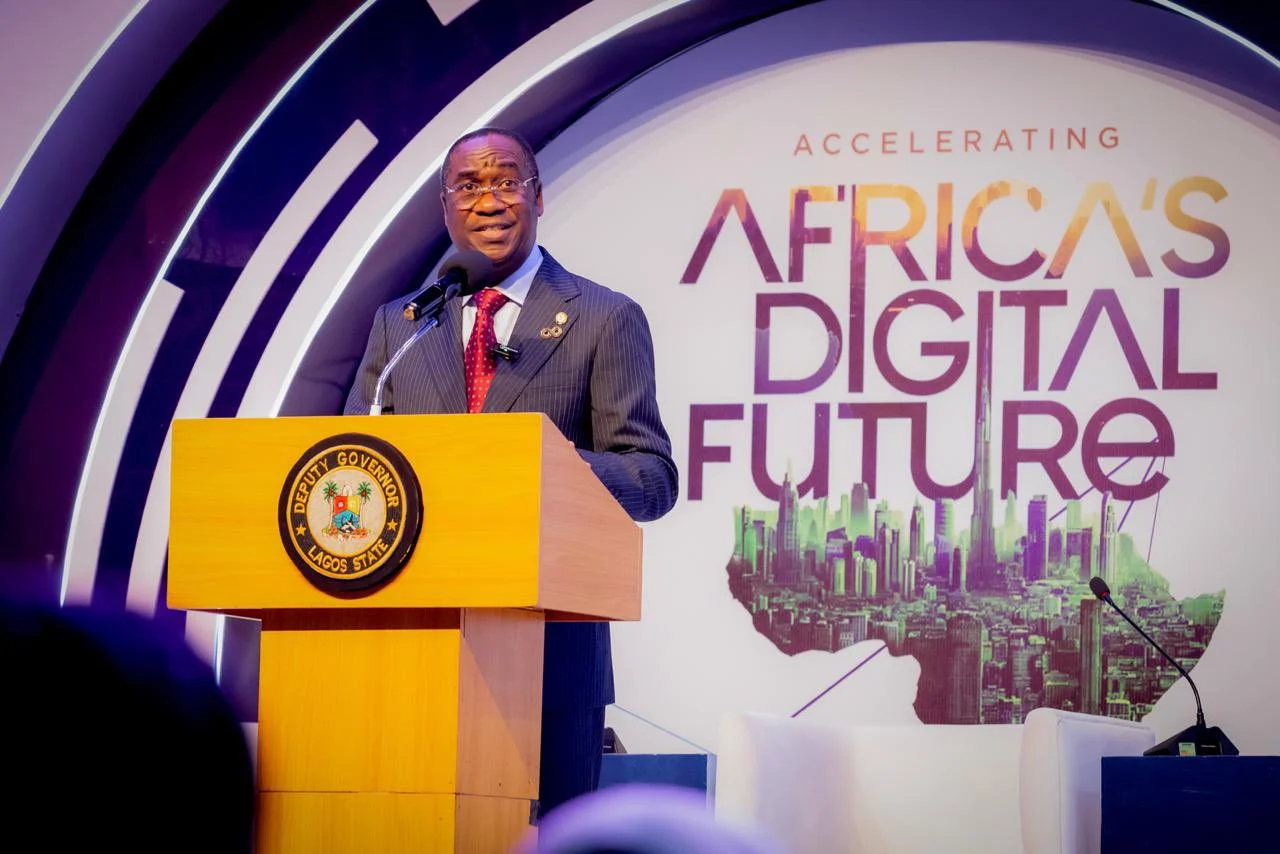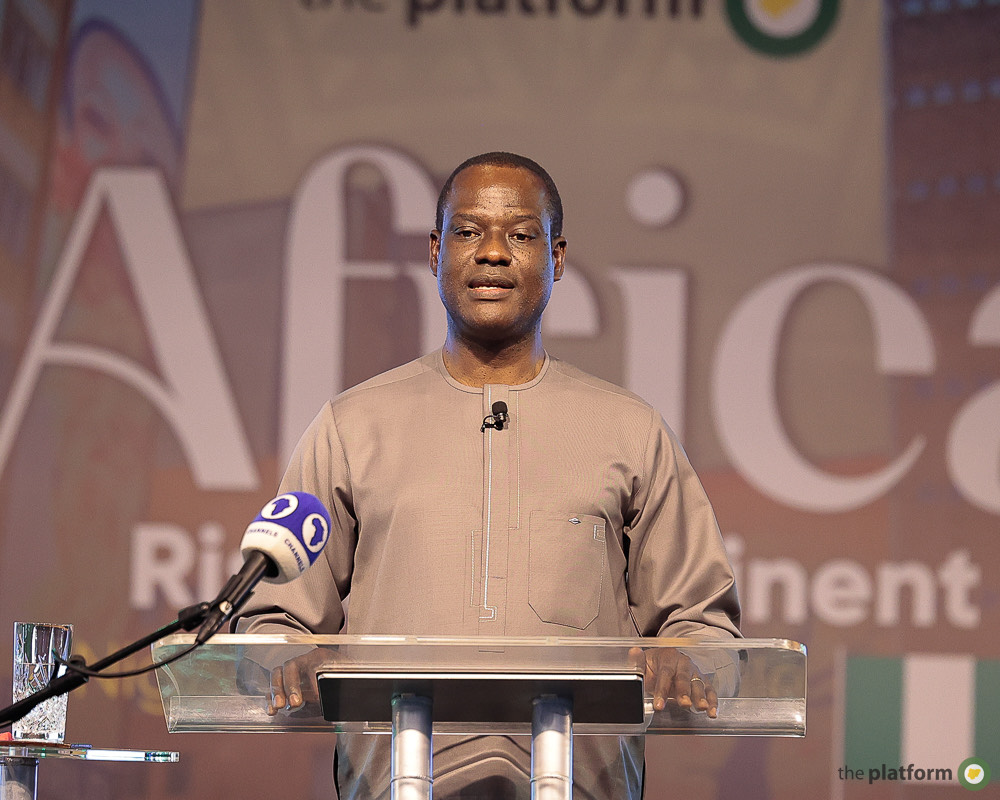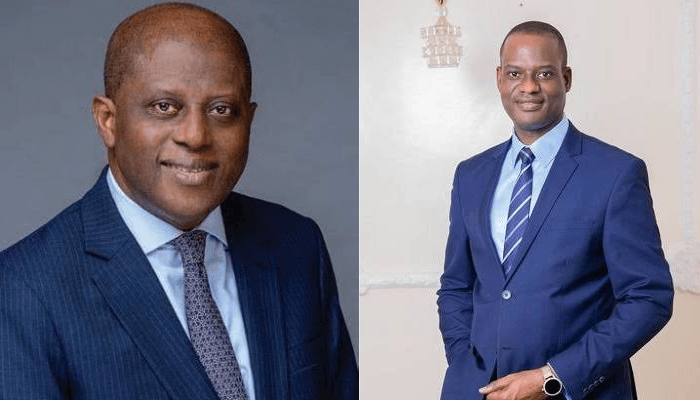

The Minister of Finance and Coordinating Minister of the Economy, Mr Taiwo Oyedele, has advocated a fundamental change in how the world finances development across Africa, calling on the international community to provide affordable, long-term capital for the continent’s infrastructure and energy needs.
The minister made this appeal while speaking at the United Nations Dialogue on Solutions to Climate Finance, held on the sidelines of the 81st Session of the United Nations General Assembly in New York.
According to a statement issued by the Head of Information and Public Relations at the Ministry of Finance, Efe Ovuakporie, Oyedele noted that high financing costs, currency-related risks and restricted access to long-term capital continue to hold back Africa’s development plans.
He explained that the energy sector remains one of the areas hardest hit by Africa’s financing difficulties, given the scale of investment needed to close the continent’s wide energy-access gap.
The minister pointed out that despite Africa’s minimal contribution to global carbon emissions, the continent still faces what he referred to as a “prejudice premium” and “narrative cost” whenever it seeks funding for essential infrastructure.
Oyedele further identified currency risks and what he described as a “stereotype tax” as additional burdens that African nations encounter while trying to raise capital for infrastructure and other development-related assets.
He called for a rethinking of climate finance strategies, insisting that financing structures should reflect the actual development circumstances of developing nations and offer more straightforward access to affordable funding.
The minister equally pushed for greater investment in natural gas and other transitional energy sources on the continent, stating that Africa requires dependable and affordable energy to combat poverty and drive economic growth.
According to him, boosting investment in Africa’s energy sector would help tackle energy poverty while also diversifying global energy supplies and lowering concentration risks, especially given potential disruptions affecting the Gulf region.
Oyedele emphasised that Africa’s shift toward cleaner energy must be built around the continent’s own development priorities, noting its substantial energy-access shortfall, and stressed that African nations require increased investment to expand power supply and other energy infrastructure while working toward a realistic transition to cleaner alternatives.
He added that the global climate-finance structure ought to take into account the varying circumstances of developing countries instead of enforcing financing terms that could further limit their growth.
Speaking specifically on Nigeria, Oyedele said the country’s most pressing focus was to develop and execute policies and programmes that would reduce poverty, widen economic opportunities and speed up the distribution of shared prosperity.
He observed that meeting these goals would depend on stronger international collaboration and a financing system that allows developing nations to raise the capital required to invest in infrastructure and enhance the living standards of their citizens.