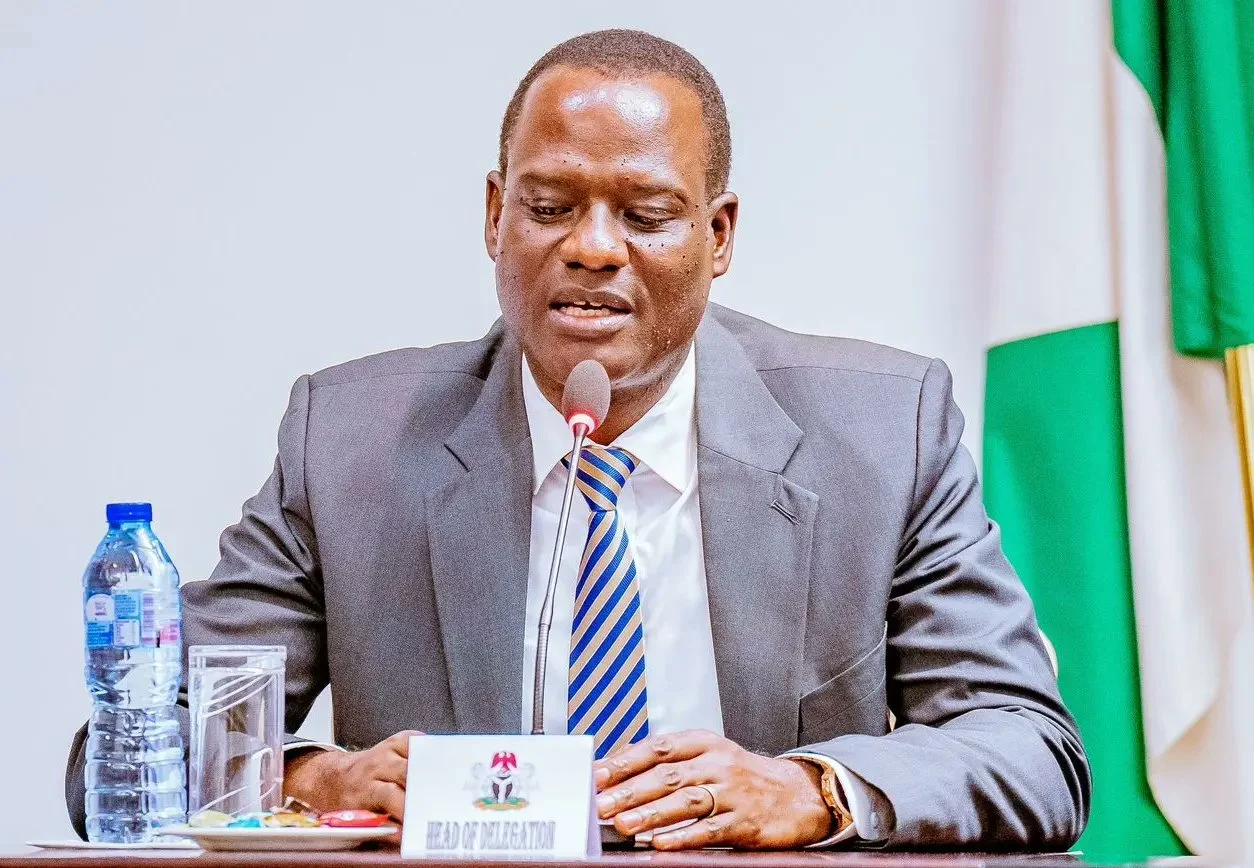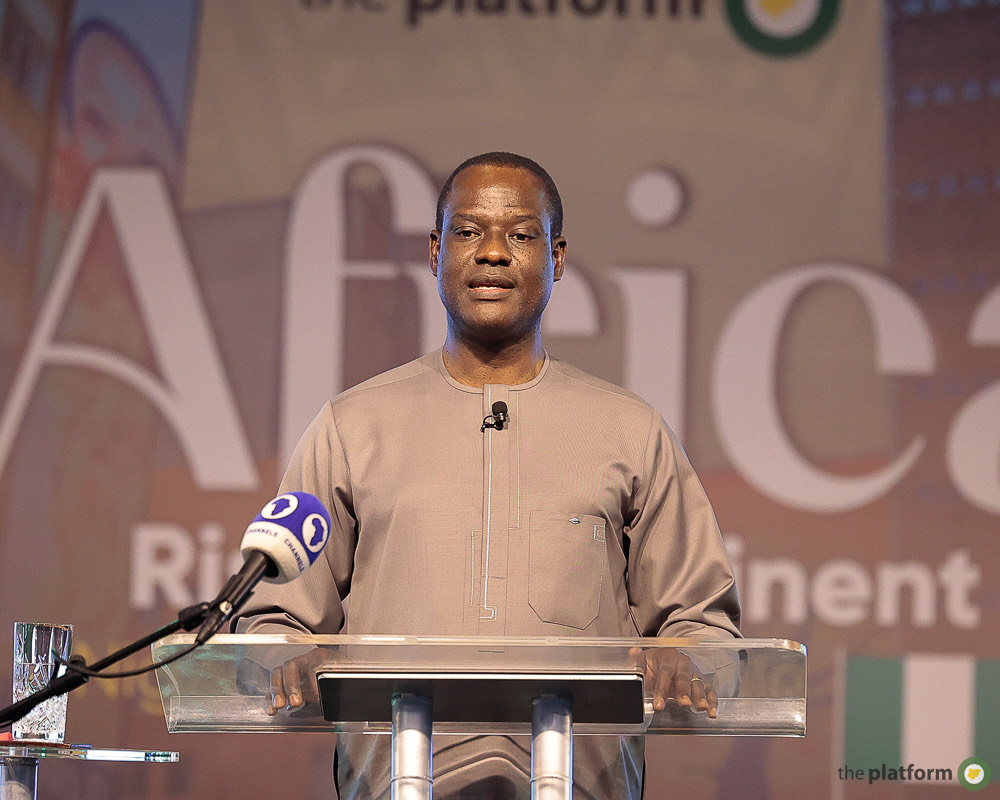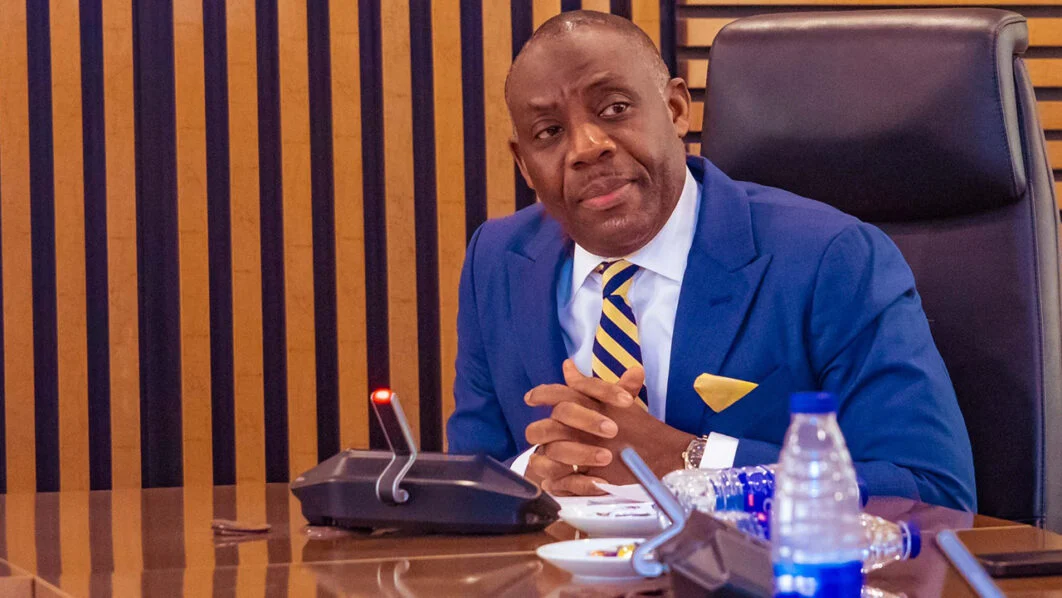


The Federal Government spent N9.39 trillion on wage adjustments, minimum wage increases and allowances for public servants between June 2023 and December 2025, the Minister of Finance and Coordinating Minister of the Economy, Prof. Taiwo Oyedele, has disclosed.
Oyedele made the disclosure while presenting Nigeria’s Reform Scorecard at the Ministry of Finance headquarters in Abuja on Wednesday, August 19, 2026, where he gave a comprehensive account of the costs, benefits and harms prevented by the administration’s fuel subsidy removal and foreign exchange unification reforms.
He said the wage adjustment figure formed part of N30.64 trillion in incremental expenses recorded over the 31-month period, driven largely by public servant remuneration, external debt servicing and infrastructure spending.
“That money did not sit idle – it partly funded incremental expenses of N30.64 trillion. Of this, N9.39 trillion went to wage adjustments, minimum wage increases and allowances for public servants; N9.37 trillion went to external debt service made necessary by exchange rate depreciation; and N6.5 trillion went into strategic infrastructure – making the top three expenditure lines,” he said.
He explained that the resources funding this spending came from a combination of subsidy savings, independent revenue and borrowing, adding that the Federal Government’s total incremental resources over the period stood at N20.4 trillion.
“Between June 2023 and December 2025, subsidy savings mobilised N15.8 trillion in resources for the Federation. Of this, N5.4 trillion accrued to the Federal Government, while N10.4 trillion was shared to states and local governments. In addition, the Federal Government earned incremental independent revenue of N3.1 trillion – principally remittances from government-owned entities while N11.9 trillion came from incremental borrowing,” he said.
Oyedele noted that the wage adjustment expenditure alone exceeded the Federal Government’s total savings from subsidy removal, describing this as proof that the reforms were not designed to generate revenue for government.
“It is instructive that the single largest expenditure line – wage adjustments, at N9.39 trillion – outstripped the Federal Government’s entire savings from subsidy removal. This is evidence that the reform was never introduced for revenue purposes, but to address entrenched corruption in an artificially managed fuel subsidy and foreign exchange market,” he said.
He gave a further breakdown of how the N20.4 trillion in incremental resources was sourced, saying borrowing accounted for the largest share.
“Put another way: of the N20.4 trillion, 58 percent came from borrowing, 27 percent from subsidy savings, and 15 percent from other revenue. Against total incremental spending of N30.64 trillion, two-thirds was funded by these new resources, while the remaining third – about N10 trillion – came from the existing revenue base, despite ending the excessive printing of naira,” he said.
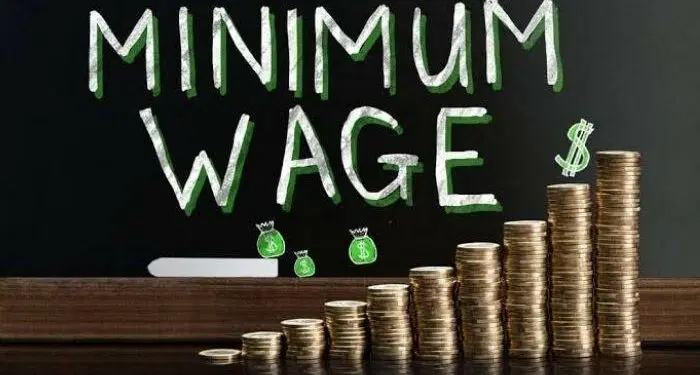
The minister linked the wage spending to tangible benefits for public servants and pensioners, citing salaries and pensions paid on time and a more than doubled minimum wage.
“Behind these figures are real, tangible changes in people’s lives: salaries and pensions paid on time, and long-standing pension arrears finally settled. A minimum wage more than doubled, from N30,000 to N70,000,” he said.
He acknowledged that the reforms came at a real cost to households and businesses, even as he defended the government’s spending priorities.
“Those decisions came at a real cost, and we are not here to pretend otherwise. Prices rose. The naira adjusted sharply. Households and businesses felt it, and many still do,” he said.
Oyedele said the government was releasing the scorecard to give an honest account of the reforms rather than to claim victory.
“We invited you here today not to declare a victory, but to give an account,” he said.
He added that the Reform Scorecard, comprising twenty-five indicators across fiscal sustainability, external stability, investment climate, social impact, and growth and productivity, was built to withstand scrutiny.
“That is the full data is on the Federal Ministry of Finance website www.finance.gov.ng – visit it, question it, and ask for clarification wherever you need to,” he said, inviting Nigerians to engage with the figures independently.
He closed his remarks with a call for constructive public engagement with the reform process.
“We are not here to pretend these reforms were painless. We are here to show you, honestly and with the numbers, what they cost, the benefits they delivered, and the harm they prevented,” he said.