

The Federal Government borrowed N11.9 trillion between June 2023 and December 2025, but says the amount would have been significantly higher without the fiscal space created by its economic reforms.
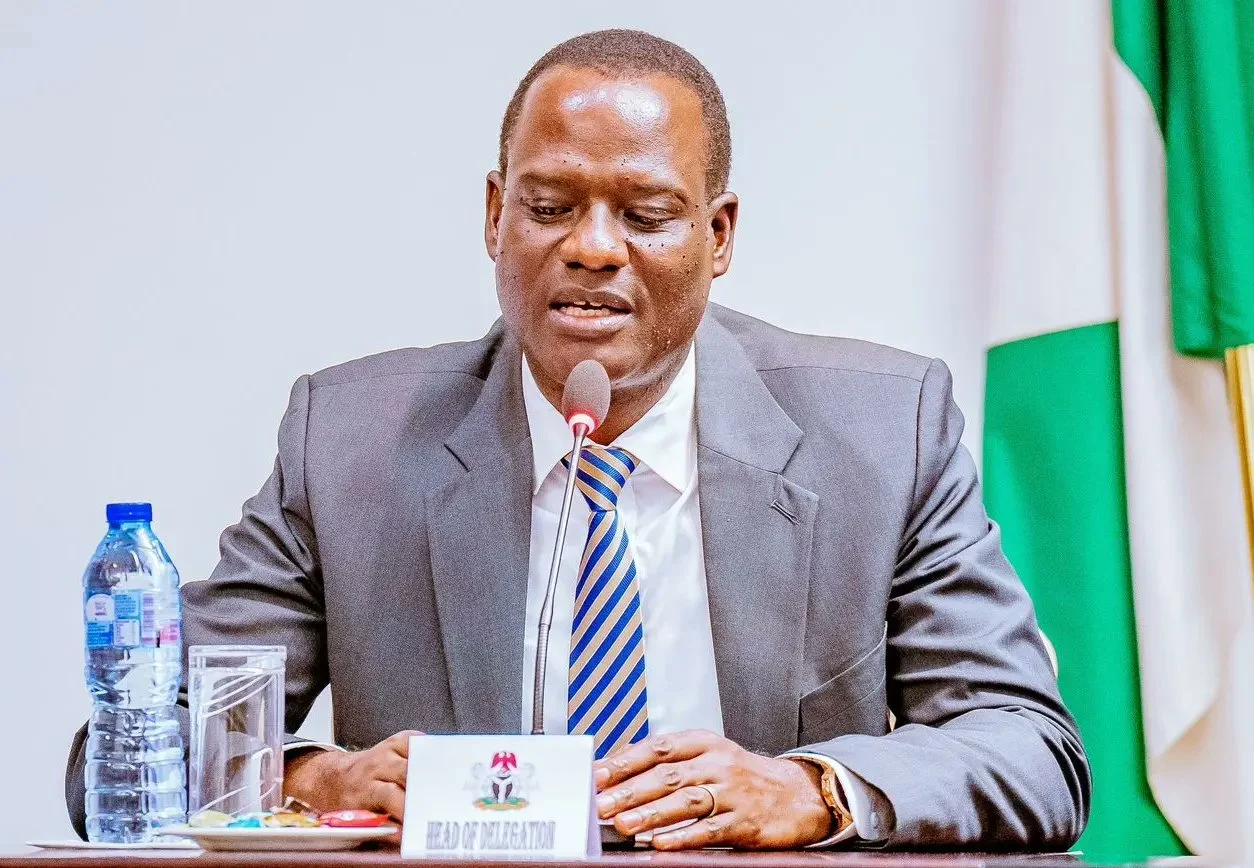
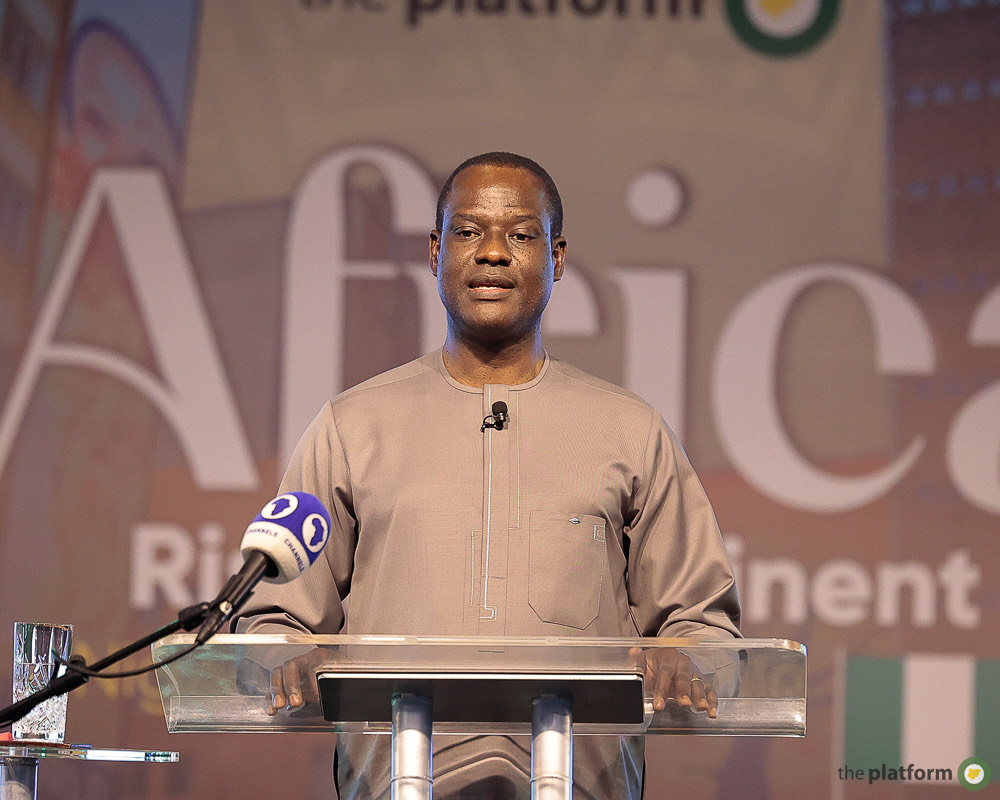
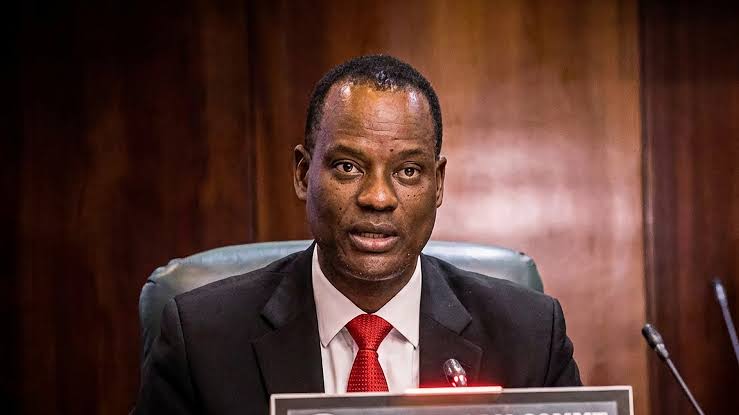
Minister of Finance and Coordinating Minister of the Economy, Taiwo Oyedele, disclosed this while presenting the government’s reforms scorecard.
He said the government’s incremental resources from subsidy savings, independent revenues and additional borrowing amounted to N20.4 trillion during the period, while incremental expenditure by the Federal Government stood at N30.64 trillion.
Oyedele said the N11.9 trillion in additional borrowing helped fund government expenditure during the period, but argued that the reforms had prevented borrowing from becoming more destabilising.
“So the additional borrowing taken for that period of time from June 2023 to December 2025 amounted to N11.9 trillion, a figure that would have been far higher and economically destabilising without the fiscal space the reforms created.”
“Altogether the Federal Government’s incremental resources, subsidy savings, independent revenues and incremental borrowing came to N20.4 trillion.”
“The incremental expenses of the Federal Government alone, not the federation, was N30.64 trillion. Of this, N9.39 trillion went to wage adjustments, minimum wage increases and allowances for public servants.”
The minister said the resources generated through the reforms did not sit idle but were partly used to finance increased government expenditure.
Oyedele’s disclosure comes against the backdrop of a steady climb in Nigeria’s overall public debt stock since President Bola Tinubu assumed office in May 2023. Data from the Debt Management Office shows that total public debt stood at N46.25tn in December 2022, before rising to N87.38tn by the second quarter of 2023 and closing that year at N97.34tn.
The debt stock continued its upward trajectory through the following two years, climbing to N121.67tn in the first quarter of 2024 and N144.67tn by December 2024, representing a year-on-year increase of 48.58 per cent. By December 2025, DMO figures put Nigeria’s total public debt at N159.28tn, comprising N84.85tn in domestic debt and N74.43tn in external debt, and including N22.71tn in Ways and Means Advances from the Central Bank of Nigeria to the Federal Government.
Oyedele said subsidy savings between June 2023 and December 2025 mobilised N15.8 trillion in resources for the Federation, explaining that the savings did not appear as a separate credit to the Federation Account.
The minister said higher customs collections reflected the impact of the exchange rate adjustment, as the naira value of dollar-denominated import duties increased.
He also said petroleum profit tax collections increased in naira terms because the same dollar-denominated revenue was converted at a higher exchange rate.
According to Oyedele, the gains reflected both the removal of the petrol subsidy and the liberalisation of the foreign exchange market.
He said the previous exchange-rate regime effectively subsidised foreign exchange, with the benefits going to rent seekers rather than ordinary Nigerians or manufacturers.
Of the N15.8 trillion in resources mobilised for the Federation, Oyedele said N5.4 trillion represented the Federal Government’s share, while N10.4 trillion was distributed to states and local governments through the Federation Account.
He added that the Federal Government generated an additional N3.1 trillion in independent revenue, largely from increased surpluses and remittances from government-owned entities.
The fuel subsidy was removed by President Bola Tinubu on May 29, 2023, shortly after his inauguration, ending a system under which the government absorbed part of the cost of petrol to keep pump prices below market-related levels.
The policy change triggered a sharp increase in petrol prices and contributed to higher transportation and living costs.
The government has maintained that subsidy removal was necessary to reduce fiscal pressures and redirect resources towards productive sectors of the economy.
Earlier this year, President Bola Tinubu said the removal of fuel subsidy by his administration saved Nigeria from imminent bankruptcy and helped lay the foundation for the country’s economic recovery.
Meanwhile, CFG Advisory has warned that the fiscal gains from Nigeria’s fuel subsidy removal have been fully absorbed by debt servicing, leaving the Federal Government with limited capacity to fund development projects and deliver social interventions.
The firm said the redirection of subsidy savings to debt servicing had effectively neutralised the intended fiscal relief and raised concerns about the sustainability of the government’s current fiscal strategy.
The subsidy removal and exchange rate reforms have, however, come with significant economic costs, including higher prices and a sharp adjustment in the value of the naira.