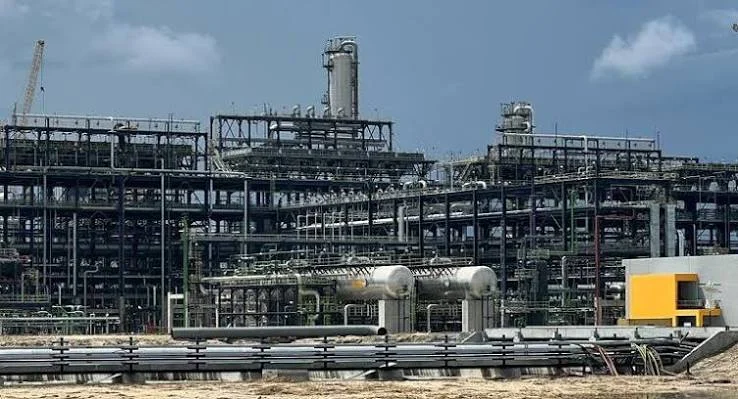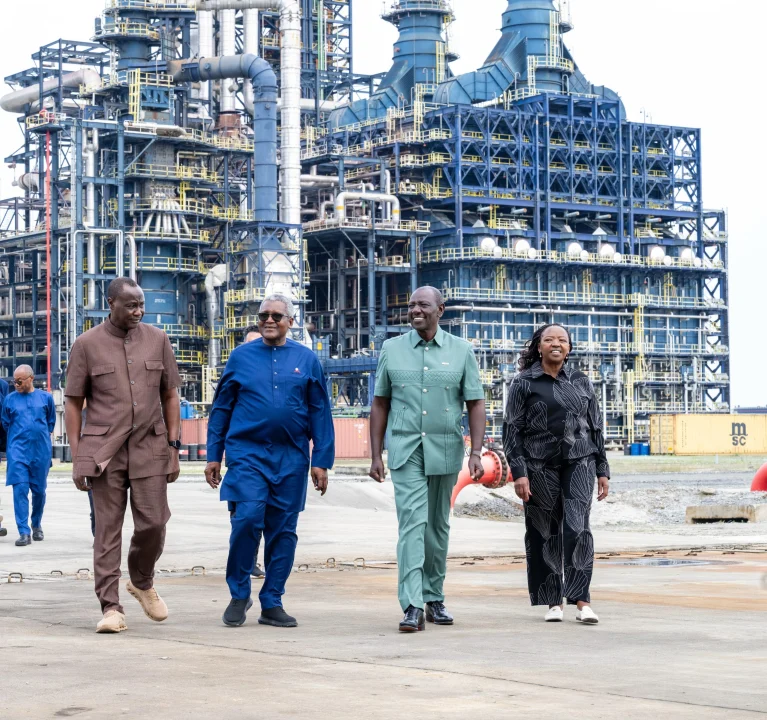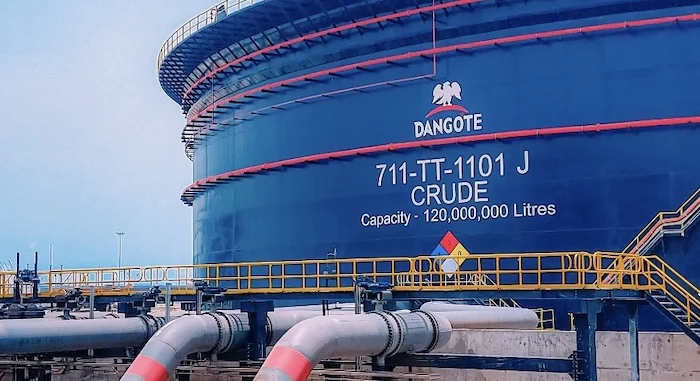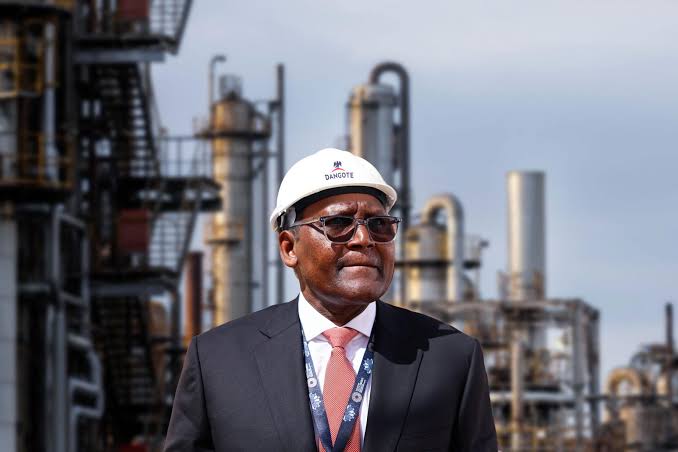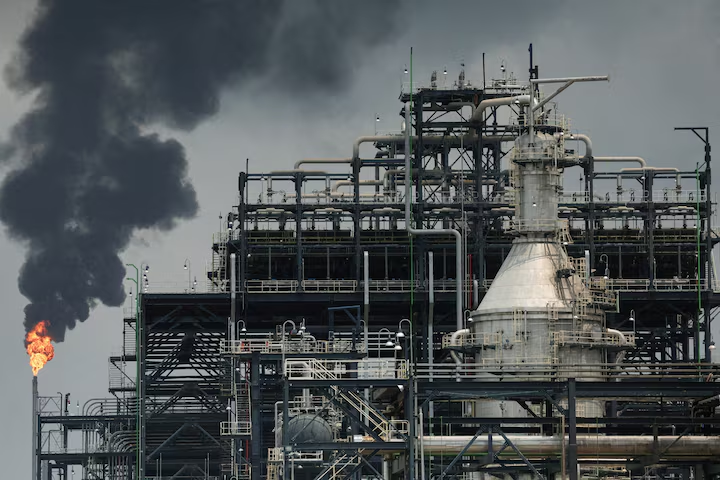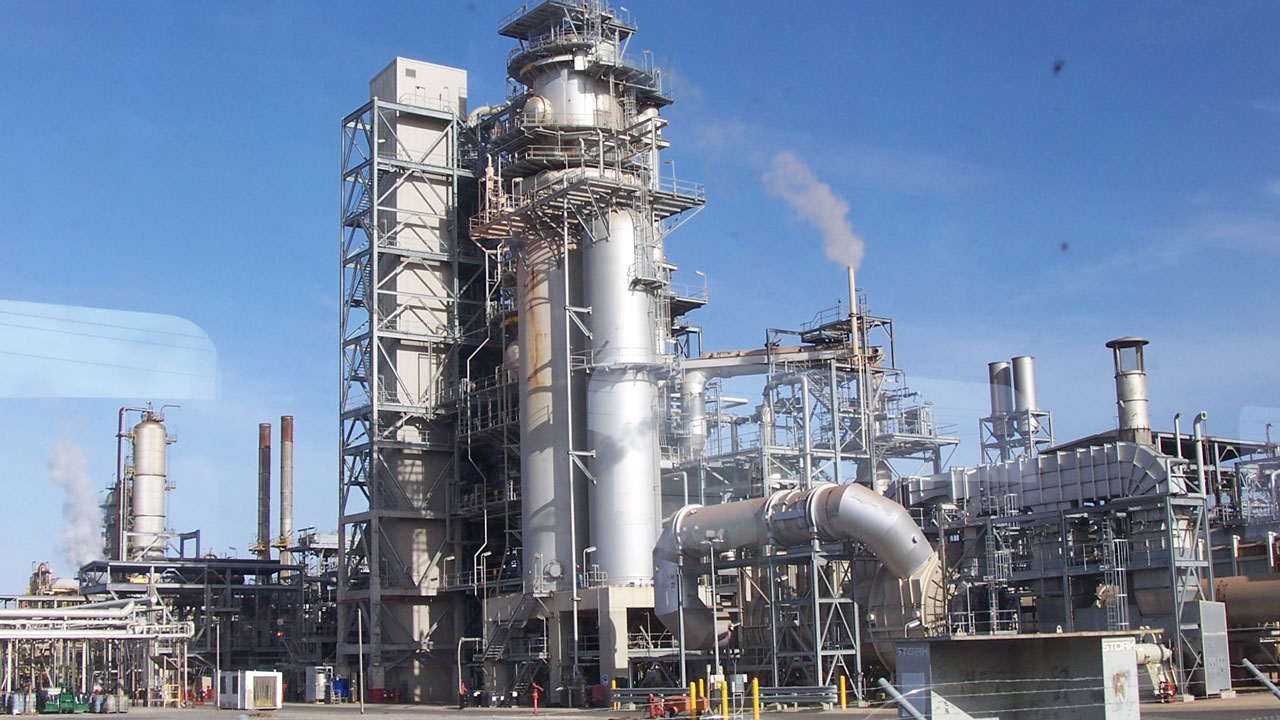
Dangote Group has pressed ahead with the groundbreaking of its planned 700,000-barrel-per-day oil refinery in Lamu, Kenya, despite a court order to maintain the “status quo prevailing” on land that 133 local residents claim as their ancestral heritage.
The Lamu project is one of the biggest industrial investments planned in East Africa. Dangote has said the refinery will cost between $15 billion and $16 billion, and Kenyan media put the figure at Sh2.2 trillion. That is less than the roughly $20 billion spent on the Lagos refinery, which is the template for the Kenyan plant. At home, the group is raising fresh capital through an IPO of 4.1 billion shares at N525 each, seeking N2.15 trillion (about $1.6 billion), which could rise to roughly $2.1 billion if the offer is oversubscribed. The Lagos expansion is expected to cost about $14.3 billion, with IPO proceeds helping to finance it.
On ownership, Dangote has offered regional governments a combined 30 per cent stake in the Lamu refinery. In Lagos, the IPO represents roughly 3.3 per cent of the enlarged share capital, and one analyst noted that Dangote still retains 87 per cent of the refinery. Dangote has said he is willing to cut his own holding in the Lagos refinery to as low as 25 per cent if more Africans want to buy shares.
• The ceremony held: Dangote Group said a Kenyan court ruling on a land rights claim would not halt the groundbreaking ceremony for the refinery on Wednesday, but that it might affect some site activities. President William Ruto and Aliko Dangote have since broken ground on the Sh2.2 trillion East Africa Oil Refinery in Lamu, formally starting construction.
• The court order: The Malindi Environment and Land Court ordered that the “status quo prevailing” on the land should be maintained until a hearing on October 14. The order was dated September 25 but was only made public on Monday.
• The claimants: The lawsuit was filed by 133 residents of Chandavai, an area in Lamu County. They say the land where the refinery will be built is their ancestral heritage and that their families have lived and farmed there for generations.
• The company’s position: Dangote Group, the conglomerate owned by Africa’s richest man, said in a statement: “The court has not halted the groundbreaking ceremony of the refinery at this stage. However, activities at the site may be affected by the ruling as both parties are required not to carry activities until the case is heard on 14th October.”
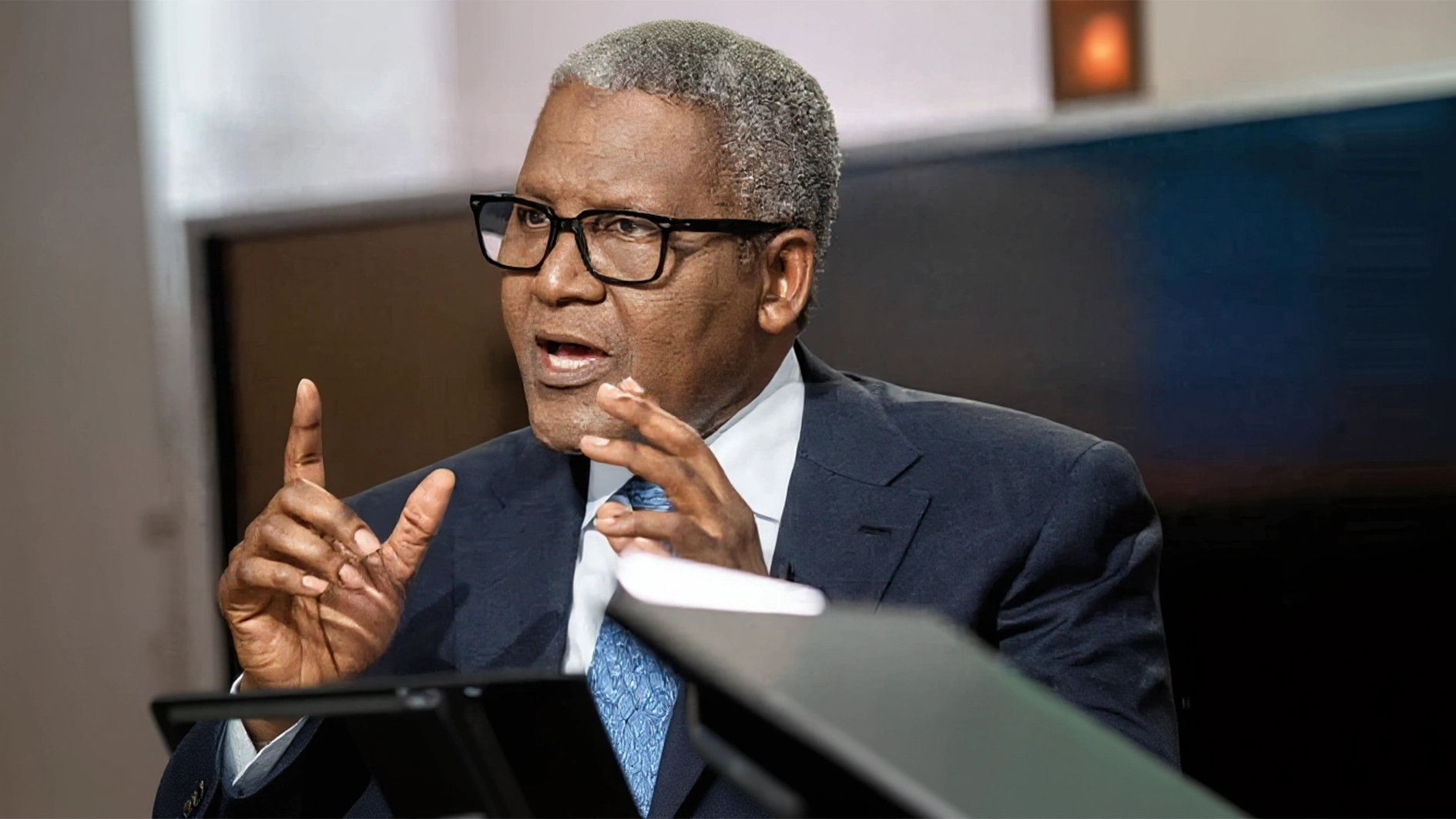
• The billionaire’s message: Addressing an investor event in Nairobi on Tuesday, Dangote expressed confidence that the project would go ahead. “I’m sure some of you must have seen one court (has) given an order that we shouldn’t do any construction? I said no, no. This is normal for us in Africa. … In fact, this is even small,” he said. “Anyone who wants to cause trouble, we are ready for them.”
• The Lagos template: The Lamu refinery on Kenya’s coast aims to replicate the success of Dangote’s 700,000 bpd plant near Lagos, Nigeria’s commercial capital. The Lagos plant helped turn Nigeria from a major fuel importer into a growing exporter. Unlike Nigeria, Sub-Saharan Africa’s biggest oil producer, Kenya currently has no commercial oil output.
• The price tag and timeline: Dangote has said he expects the Lamu refinery to cost $15 billion to $16 billion and hopes to complete it by 2030.
• The guests and the groundwork: Ethiopian Prime Minister Abiy Ahmed and Ugandan President Yoweri Museveni joined Dangote and Ruto for the ceremony. The first vessel carrying construction equipment arrived at Lamu Port on September 26, delivering about 2,930 metric tonnes of project cargo.
• The jobs and the stake: Ruto has put the potential employment impact at about 60,000 jobs, direct and indirect. Dangote has also offered regional governments a combined 30 per cent stake in the refinery.
• The political backdrop: Ahead of the ceremony, Ruto alleged that the court challenges seeking to halt the project were being funded by selfish interests.
• The home front: Earlier this month, Dangote kicked off Africa’s biggest-ever share sale with an Initial Public Offering of the Lagos refinery. The offer of 4.1 billion ordinary shares at N525 each opened on September 14 and closes on October 13. If fully subscribed, it would raise N2.15 trillion, about $1.6 billion. Proceeds are meant to help lift the Lagos refinery’s capacity from about 700,000 barrels per day to 1.4 million by 2029.