



S&P Global Ratings has upgraded Nigeria’s long-term foreign and local currency sovereign credit ratings to “B” from “B-”, citing improvements in the country’s macroeconomic profile, external position, and ongoing economic reforms.
The United States-based global ratings agency announced the upgrade on Friday while affirming Nigeria’s short-term ratings at “B” with a stable outlook.
According to S&P, higher oil production and prices, increased domestic refining capacity, and the liberalisation of the foreign exchange market in 2023 have strengthened Nigeria’s economic growth and balance of payments position.
“On May 15, 2026, S&P Global Ratings raised its long-term foreign and local currency sovereign credit ratings on Nigeria to ‘B’ from ‘B-‘ and affirmed our ‘B’ short-term ratings.
“At the same time, we raised our long- and short-term Nigeria national scale ratings on the sovereign to ‘ngA+/ngA-1’ from ‘ngBBB+/ngA-2’. The outlook is stable.,” the agency stated.
S&P said Nigeria’s improved creditworthiness followed “three years of sustained structural reforms,” particularly the liberalisation of the exchange rate, which it said had improved access to foreign currency and supported investor confidence.
The agency noted that reforms aimed at broadening the tax base and increasing petroleum revenue transfers to the Federal Government had also strengthened fiscal performance.
It projected that Nigeria’s debt-to-revenue ratio would decline to 338 per cent in 2026 from about 500 per cent in 2023.
The ratings agency said the Federal Government’s decision not to reintroduce fuel subsidies had helped prevent wider budget deficits and preserve foreign exchange liquidity.
However, it warned that rising fuel prices linked to global oil market pressures and the Middle East conflict were contributing to inflationary pressures ahead of the 2027 general elections.
S&P projected inflation to average 17.7 per cent in 2026 before declining to below 10 per cent by 2028.
The agency also highlighted the impact of the Dangote Refinery and increased domestic refining capacity on Nigeria’s economy, saying the development would strengthen the country’s current account position and reduce dependence on imported refined petroleum products.
It forecast Nigeria’s current account surplus to rise to 5.8 per cent of GDP in 2026 from 4.8 per cent in 2025.
The agency said the stable outlook reflected a balance between Nigeria’s improved external position and growth prospects and persistent structural challenges such as low tax revenue, inflation, poverty, unemployment, and security concerns.
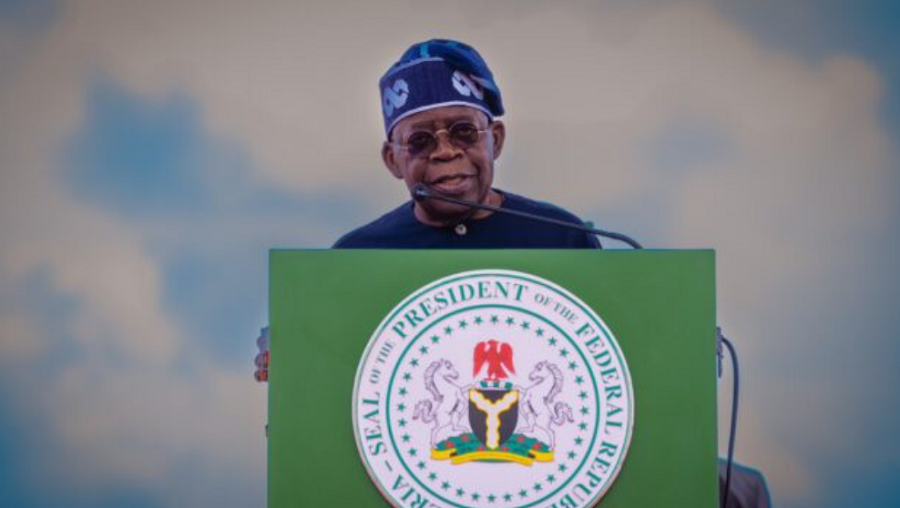
“We expect President Bola Tinubu’s administration will continue to advance economic and fiscal reforms,” the report stated.
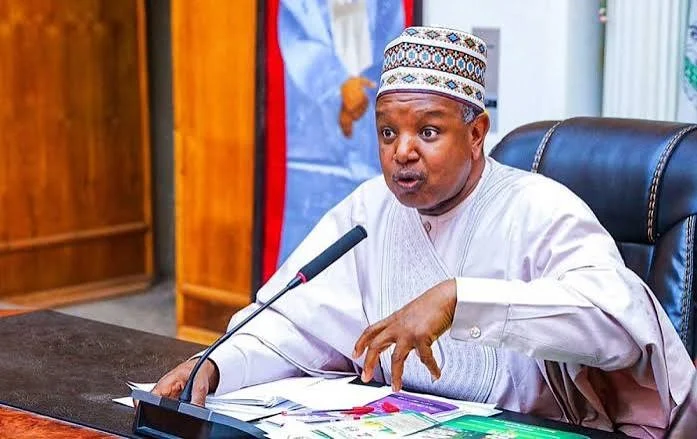
Reacting, the Minister of Finance and Coordinating Minister of the Economy, Taiwo Oyedele, welcomed the rating and said it followed similar upgrades by Fitch Ratings and Moody’s in 2025.
In a post on X early Saturday, the minister said the positive ratings, now by the three global firms, reflected growing international confidence in the economic reforms implemented under Tinubu.
“These independent assessments collectively affirm that the difficult but necessary reforms undertaken under the leadership of President Bola Ahmed Tinubu, GCFR, are yielding measurable results and laying the foundation for a more stable, transparent, and resilient economy,” Oyedele said.
He said the positive ratings by S&P, Fitch, and Moody’s sent “a strong signal to global investors, development partners, financial markets, and the international business community that Nigeria is regaining macroeconomic credibility.”
The minister also reaffirmed the government’s opposition to the reintroduction of fuel subsidies, describing them as inefficient and fiscally distortive.
“We have maintained our position against the reintroduction of inefficient fuel subsidies which historically created significant fiscal distortions, incentivised smuggling, weakened foreign exchange liquidity, and diverted scarce public resources away from critical national priorities,” he said.
He acknowledged that challenges such as inflation, food insecurity, unemployment, and the need for inclusive growth still required urgent attention.
“While these positive ratings developments are encouraging, we recognise that the work ahead remains substantial,” he said.
The minister thanked Nigerians for their “resilience, patience, and support” throughout the reform process, expressing optimism that the improved ratings outlook would help attract investment and enable the country to secure financing on more favourable terms.


