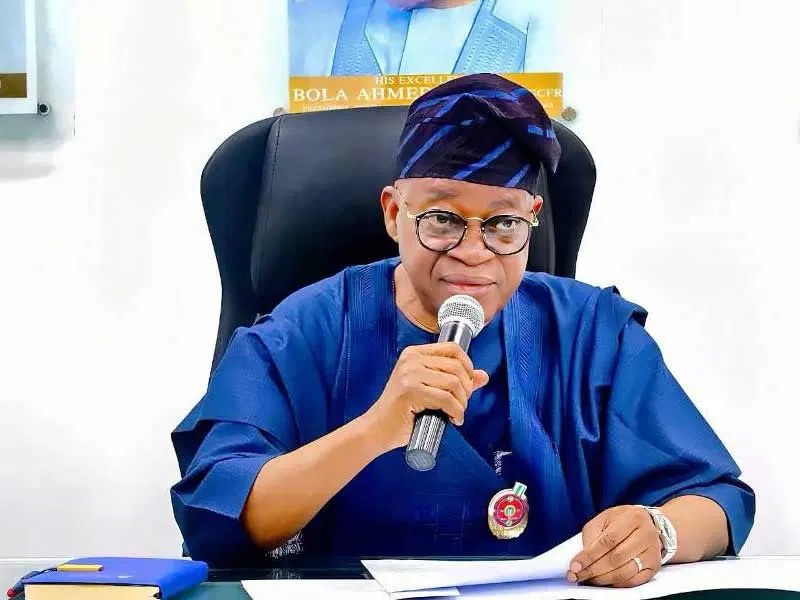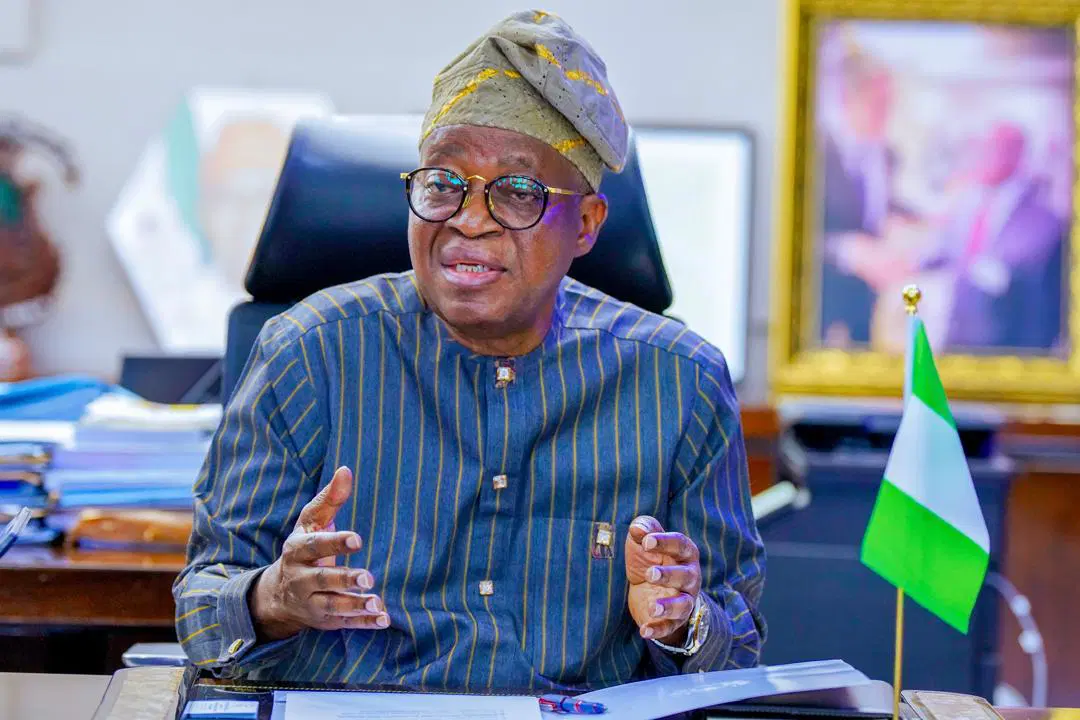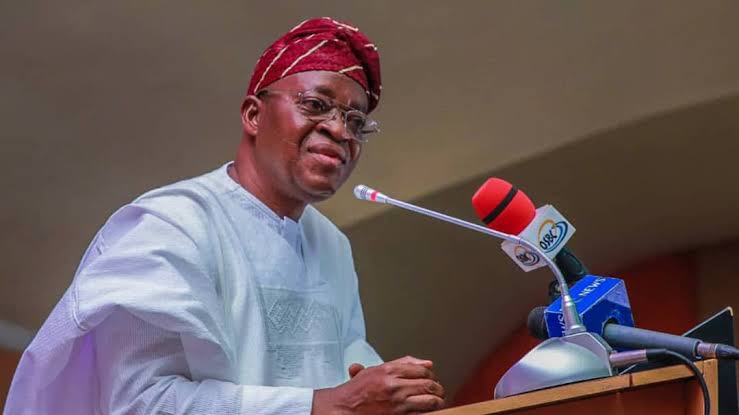

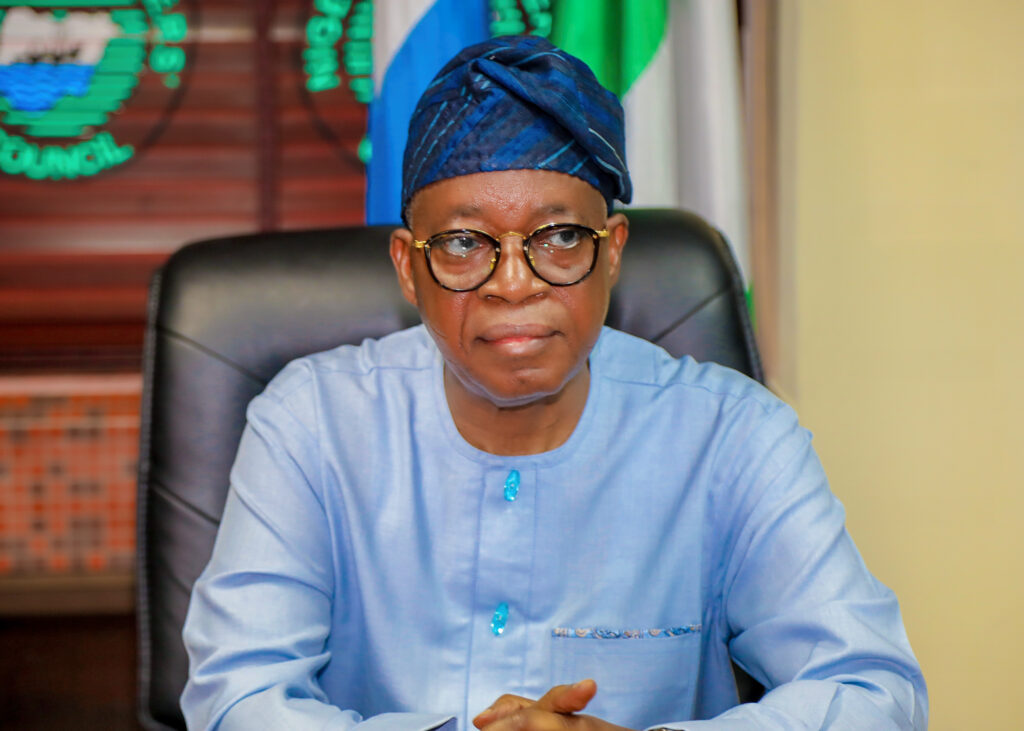
The Minister of Marine and Blue Economy, Adegboyega Oyetola, has announced a £746 million financing agreement with the United Kingdom to modernise Nigeria’s seaport infrastructure, a move set to transform key maritime gateways and enhance the global competitiveness of the nation’s port system.
In a statement on Tuesday, the Special Adviser to the Minister, Bolaji Akinola, said the historic financing deal, supported by UK Export Finance, will fund the full modernisation and upgrade of Lagos’ key maritime hubs: the Lagos Port Complex, Apapa (commonly known as Apapa Port), and the Tincan Island Port Complex.
“Together, the two ports handle more than 70 per cent of Nigeria’s imports and exports and serve as the central arteries of the nation’s maritime trade.
“The landmark financing agreement will be formally signed during the high-profile state visit of President Bola Tinubu to London on March 18 and 19, 2026, signalling a deepening of strategic economic cooperation between Nigeria and the United Kingdom while opening a new chapter in Nigeria’s maritime development,” the statement read in part.
Oyetola hailed the financing package as a transformative milestone for Nigeria’s port system.
He highlighted that the size and scope of the modernisation represent the first comprehensive overhaul of the facilities since their inception.
The minister emphasized that the project is a key component of the Federal Government’s wider strategy to unlock the economic potential of Nigeria’s marine and blue economy, while enhancing efficiency and global competitiveness across the nation’s maritime infrastructure.
“This financing agreement represents a defining moment for Nigeria’s maritime sector,” the minister said.
He noted that for years, Apapa Port and Tincan Island Port have shouldered the nation’s trade, “but their facilities have fallen behind the requirements of contemporary global shipping. This initiative goes beyond a simple upgrade—it is a complete transformation aimed at bringing our ports up to international standards.”
Oyetola emphasised that the collaboration with the United Kingdom underscores a mutual commitment to boosting economic cooperation and promoting sustainable development in the maritime sector.
“Through this historic collaboration with the United Kingdom, we are laying the groundwork for a new era in the management and operation of Nigerian ports,” he said.
“Modern infrastructure supported by digitalised and automated processes will significantly enhance efficiency, transparency, and operational reliability. Our objective is clear: to create a port system that is modern, competitive, and capable of serving as a strategic maritime hub for West and Central Africa.”
The minister stated that the modernisation programme will bring advanced cargo-handling infrastructure, increased port capacity, and integrated digital systems aimed at removing longstanding operational bottlenecks that have slowed cargo flow at Nigeria’s busiest ports.
Oyetola noted that, once complete, the reforms will transform the operational dynamics of the nation’s maritime gateways, with vessel turnaround times expected to drop substantially and cargo dwell times sharply reduced as automated systems replace paper-based and manual processes.