
Europe may have “perhaps six weeks of jet fuel remaining,” according to the head of the International Energy Agency.
The organisation said in a report this week that fuel stocks could hit a tipping point in June if Europe fails to replace at least half of its Middle East imports.
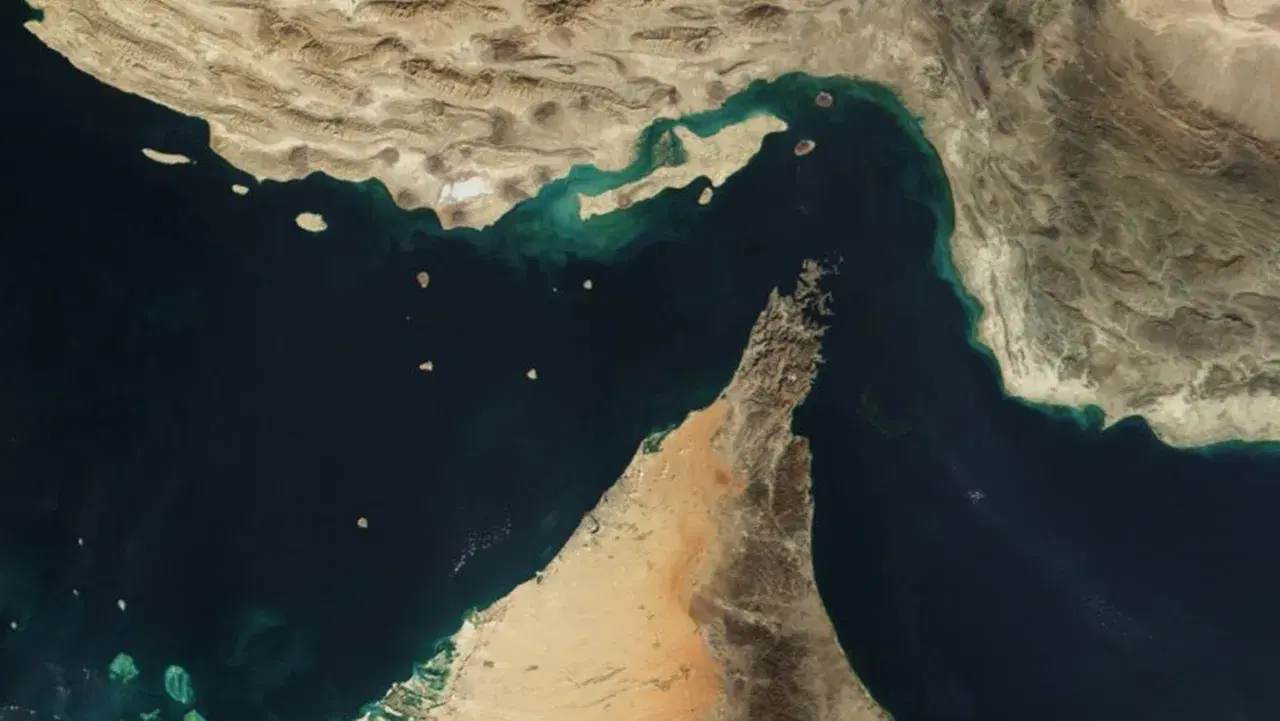
The Strait of Hormuz — a crucial corridor for jet fuel shipments from the Gulf, has been effectively shut by Iran for more than six weeks in retaliation for U.S. and Israeli strikes, driving prices sharply higher and fuelling concerns over shortages.
IEA Executive Director Fatih Birol told AP that flight cancellations could follow if supply disruptions persist.
In its monthly oil market report, the IEA — which advises 32 member countries on energy supply and security — said the Gulf region accounts for the largest share of jet fuel exports to the global market.
It added that refineries in other key exporting nations, including Korea, India and China, are themselves heavily reliant on crude oil imports from the Middle East.
As a result, the crisis “has thrown a proverbial wrench into the inner workings of the aviation fuel market,” the agency said.
The IEA noted that Europe has historically sourced around 75% of its jet fuel imports from the Middle East.
European countries are now racing to offset disrupted Gulf supplies with cargoes from alternative sources, including the United States and Nigeria, analysts say.
The agency reported a sharp increase in U.S. jet fuel exports in recent weeks.
However, it cautioned that even if all of those volumes were redirected to Europe, they would cover only slightly more than half of the shortfall.