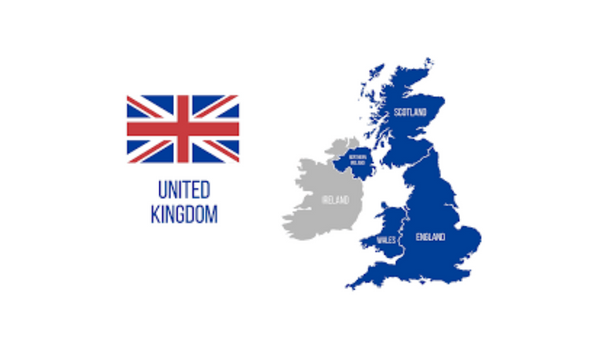

The United Kingdom has excluded Nigeria from tougher compliance measures introduced under its latest sanctions regime targeting fuels refined from Russian crude in third countries, according to new guidance issued by British authorities and reviewed by S&P Global.
The restrictions, which took effect on May 20, are designed to close a longstanding “refining loophole” that enabled countries to process Russian crude into products such as petrol, diesel and jet fuel before exporting them to Western markets.
Under the new measures, the UK has prohibited the import of refined petroleum products—including petrol, naphtha, paraffin, lubricants and waste oils—derived from Russian crude oil.
However, Nigeria was among the countries designated as net oil exporters and therefore exempted from the enhanced proof-of-origin requirements imposed on fuel shipments entering the UK market.
According to the report, 63 countries were granted exemptions from the stricter oversight regime, based on trade data compiled by the International Energy Agency.
The S&P report stated, “Using trade data from the International Energy Agency, 63 countries were classed as net exporters exempted from stricter oversight, including Saudi Arabia, Kuwait, Kazakhstan, Libya, and Nigeria.”
The UK stated that refiners and exporters in exempted countries would not be required to provide evidence of compliance with the new restrictions unless British customs authorities had “reasonable grounds to believe” that the exported products were not refined from domestically sourced crude oil.
The sanctions regime closely aligns with enforcement measures introduced earlier this year by the European Union to prevent Russian oil products from reaching European markets through third-country refining routes.
Under the UK framework, refiners that process Russian crude may still export fuel to Britain, provided they can demonstrate that Russian and non-Russian crude streams have been physically segregated throughout storage, transportation and refining operations.
Where physical segregation cannot be demonstrated, importers must provide evidence that the supplying refinery had neither received nor processed Russian crude oil for at least 60 days before the exports were made.
The guidance further recommends that UK importers obtain assurances from suppliers confirming that the fuel products being purchased were not refined from Russian crude.
According to S&P Global, the stricter rules are expected to have the greatest impact on refiners in countries such as India and Turkey, which have become major buyers of discounted Russian crude and key exporters of refined petroleum products to Europe since the start of the Russia–Ukraine War.
The report stated that countries and jurisdictions that already enforce their own sanctions on Russian crude oil—including the European Union, United States, Canada, Norway, Switzerland, Australia and New Zealand—would also be exempt from the additional compliance requirements.
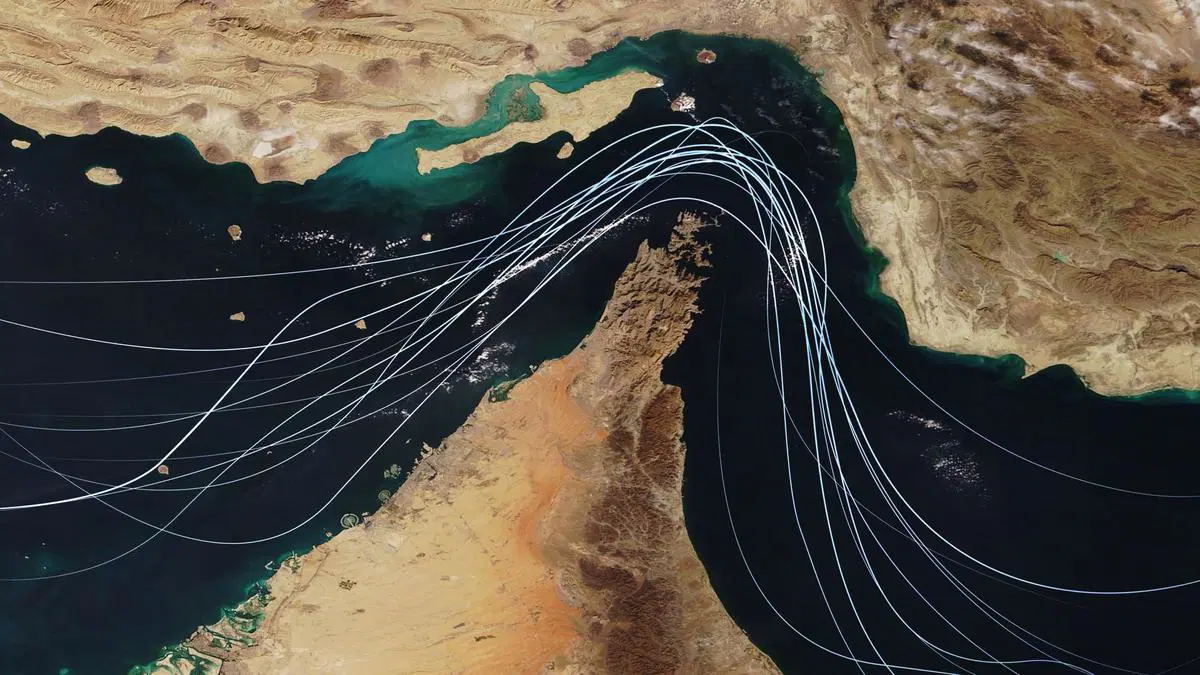
Despite introducing stricter controls, the UK government approved indefinite waivers for imports of diesel and jet fuel, citing concerns over supply costs and the potential impact on businesses, particularly amid fuel market disruptions linked to ongoing tensions in the Middle East.
According to guidance issued by the UK Department for Business and Trade, the Secretary of State plans to give at least four months’ notice before any decision to withdraw the waiver.
Data from S&P Global showed that the UK has become increasingly dependent on fuel imports from the United States in recent months, with US shipments averaging about 144,000 barrels per day in April—accounting for nearly half of Britain’s total oil product imports during the period.