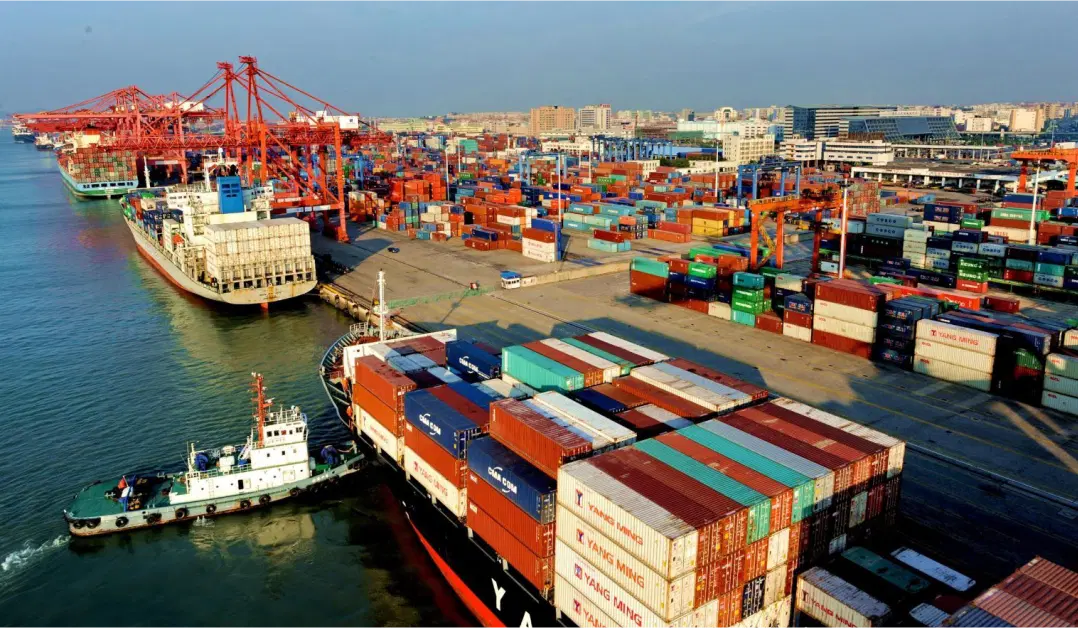


The Managing Director of the Nigerian Ports Authority, Abubakar Dantsoho, says Nigeria accounts for over 60 percent of West Africa’s gross domestic product yet handles only about 25 per cent of the region’s cargo traffic.
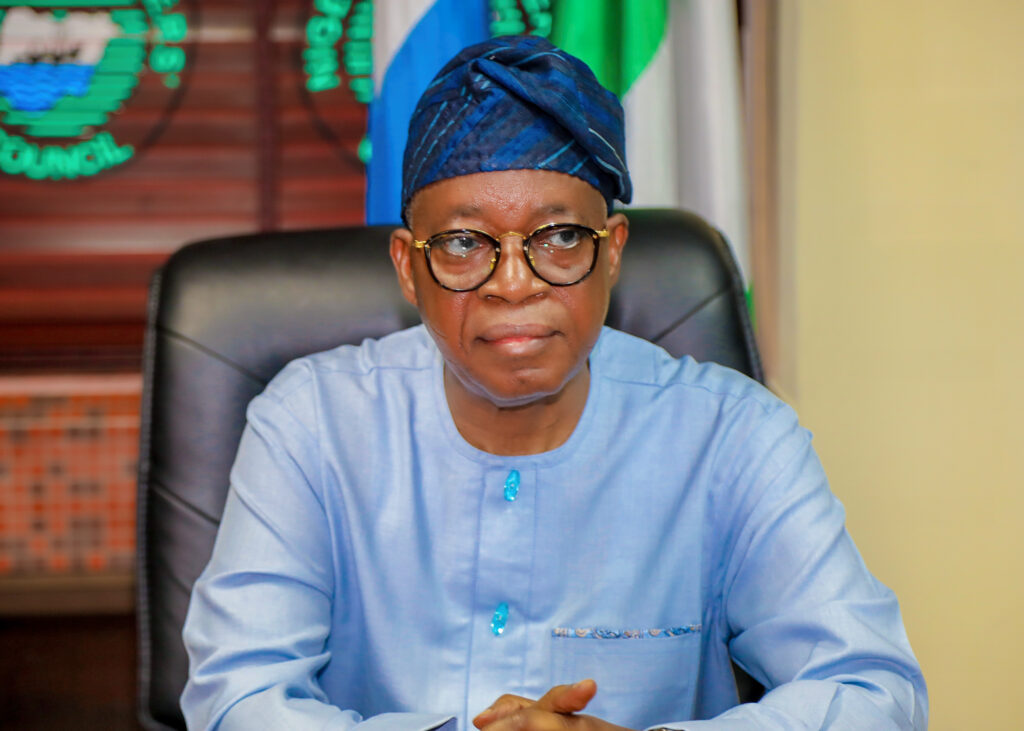
Dantsoho made the remarks in Abuja, attributing ongoing reforms in the maritime sector to the Federal Government and Gboyega Oyetola, Minister of Marine and Blue Economy, according to a statement issued on Wednesday.
“It is worrisome that Nigeria, despite controlling over 60 per cent of West Africa’s GDP, handles only about 25 percent of the region’s cargo traffic.
This clearly shows that we have not fully optimised our potential,” Dantsoho said.
Meanwhile, he said the trend is beginning to change, pointing to reforms aimed at repositioning the sector for growth and attracting investment.
Dantsoho said Nigeria has the capacity to lead Africa’s blue economy, noting that the country’s port system will play a key role in unlocking investment and driving economic growth.
” The time has come for a paradigm shift in the structure of Nigeria’s economy towards the full utilisation of our marine resources. Our port system, if properly harnessed, can serve as a major driver of economic growth,” he said.
The NPA boss said Nigeria’s strategic location, large population, and economic size position’s it to become a maritime hub in West Africa.
“By virtue of our strategic location, market size and economic strength, Nigeria is well-positioned to function as the maritime hub for West Africa,” he added.
Dantsoho said the Federal Government, through the Ministry of Marine and Blue Economy, is implementing reforms including port modernisation, the deployment of a national single window and port community system, the development of deep seaports, and the digitalisation of port operations.
“We are implementing key strategic initiatives such as port modernisation, trade single window, port community system, deep seaport development and full digitalisation to reposition our ports for global competitiveness,” he stated.
The NPA boss said private sector participation remains critical to bridging infrastructure gaps in the sector.
“We are open to private sector participation through project financing. This approach is already improving efficiency and providing access to funding for critical infrastructure,” he noted.