



The naira ranked among Africa’s more resilient currencies in the second quarter of 2026, despite pressure from heightened geopolitical tensions and rising energy prices, the World Bank has said.
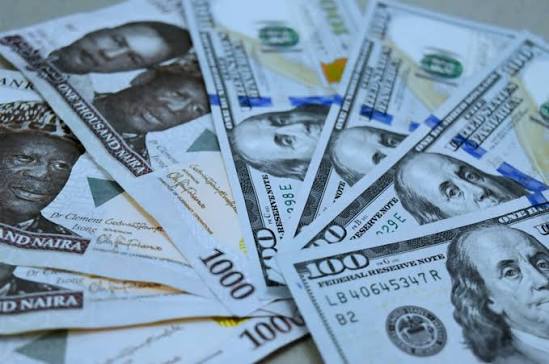
According to the World Bank’s October 2026 Africa Economic Update, the naira recorded a maximum depreciation of 2.6 per cent between March and June, significantly lower than the losses suffered by several other African currencies.
Ghana’s cedi recorded the steepest decline among the currencies highlighted, depreciating by as much as 10 per cent during the period.
The currencies of South Africa, Lesotho, Namibia and Eswatini depreciated by as much as 7.2 per cent, while the currencies of the Democratic Republic of Congo and Uganda recorded maximum declines of 6 per cent and 5 per cent, respectively.
The World Bank reviewed exchange rate movements across 22 African countries outside the CFA franc zone, comparing their performance with levels recorded before the escalation of the Middle East conflict.
The naira subsequently regained some ground, appreciating by 1.9 per cent from its March-to-June lows by August. This placed the Nigerian currency among those that recovered from the period of heightened exchange rate pressure.
The recovery was stronger than that recorded by several regional peers. By August, Ghana’s cedi remained 2.5 per cent below its end-February level, while Uganda’s currency was still down 3.1 per cent.
South Sudan recorded one of the largest remaining declines, with its currency weakening by 5.5 per cent from its end-February level.
The World Bank said only 10 of the 22 currencies tracked remained weaker than their end-February positions by the end of August.
According to the World Bank, Nigeria’s position as a major crude oil exporter helped cushion the naira against some of the exchange rate pressures during the period.
The rise in oil prices boosted export earnings and foreign exchange inflows for oil-producing economies such as Nigeria and Angola, helping to ease some of the pressure on their currencies.
In contrast, higher energy costs put greater strain on countries heavily reliant on imported fuel and other energy products.
The World Bank said the currency sell-off across several African markets was also driven by stronger demand for US dollars, capital outflows from emerging and frontier markets, and concerns about the rising cost of servicing dollar-denominated debt.