




Meta on Wednesday announced that its Muse AI assistant is now available as a dedicated iPad app, achieving a milestone that took Instagram nearly 15 years to reach despite persistent demand from users.
Muse, however, made its debut on the iPad just one month after launching on the iPhone.
Since its launch on iOS and Android on September 8, Muse has surpassed 6.6 million installs, according to estimates by market intelligence firm Sensor Tower.
The app is now among dozens of consumer-focused AI agents, allowing users to connect their accounts to manage emails, meetings, bills and other tasks. It can also perform tasks such as booking reservations, ordering groceries, setting goals and making purchases.
Meta has continued to expand its network of partners, which appear in Muse as “connectors”. Users can selectively add and sign in to these services based on the aspects of their online lives they are comfortable allowing an AI agent to manage.
With the iPad launch, Meta has expanded the list to include several newer connectors, particularly those targeted at small businesses.
These include Asana, Canva, Dropbox, Figma, QuickBooks, GitHub, Klaviyo and Zoom, alongside connectors for Meta advertising accounts. Notion and Granola have also been added.
Meta has also recently announced additional retail partners, including Best Buy, Gap, Sephora, Walmart and Wayfair. These integrations allow Muse to browse retailers’ websites and complete purchases on behalf of users.
However, as the technology is still relatively new, users may encounter issues, particularly when websites identify AI agents as bots and block their access.
[10/8, 6:34 AM] Mel: Naira among Africa’s most resilient currencies in Q2 – World Bank
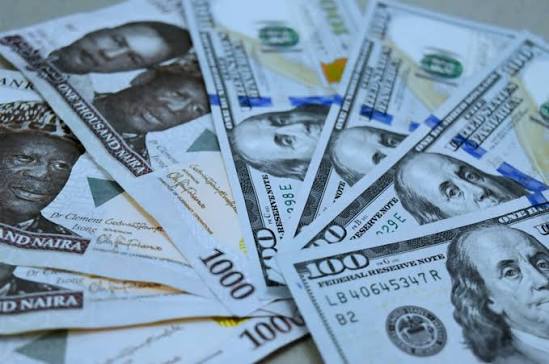
The naira ranked among Africa’s more resilient currencies in the second quarter of 2026, despite pressure from heightened geopolitical tensions and rising energy prices, the World Bank has said.
According to the World Bank’s October 2026 Africa Economic Update, the naira recorded a maximum depreciation of 2.6 per cent between March and June, significantly lower than the losses suffered by several other African currencies.
Ghana’s cedi recorded the steepest decline among the currencies highlighted, depreciating by as much as 10 per cent during the period.
The currencies of South Africa, Lesotho, Namibia and Eswatini depreciated by as much as 7.2 per cent, while the currencies of the Democratic Republic of Congo and Uganda recorded maximum declines of 6 per cent and 5 per cent, respectively.
The World Bank reviewed exchange rate movements across 22 African countries outside the CFA franc zone, comparing their performance with levels recorded before the escalation of the Middle East conflict.
The naira subsequently regained some ground, appreciating by 1.9 per cent from its March-to-June lows by August. This placed the Nigerian currency among those that recovered from the period of heightened exchange rate pressure.
The recovery was stronger than that recorded by several regional peers. By August, Ghana’s cedi remained 2.5 per cent below its end-February level, while Uganda’s currency was still down 3.1 per cent.
South Sudan recorded one of the largest remaining declines, with its currency weakening by 5.5 per cent from its end-February level.
The World Bank said only 10 of the 22 currencies tracked remained weaker than their end-February positions by the end of August.
According to the World Bank, Nigeria’s position as a major crude oil exporter helped cushion the naira against some of the exchange rate pressures during the period.
The rise in oil prices boosted export earnings and foreign exchange inflows for oil-producing economies such as Nigeria and Angola, helping to ease some of the pressure on their currencies.
In contrast, higher energy costs put greater strain on countries heavily reliant on imported fuel and other energy products.
The World Bank said the currency sell-off across several African markets was also driven by stronger demand for US dollars, capital outflows from emerging and frontier markets, and concerns about the rising cost of servicing dollar-denominated debt.