
The Major Energies Marketers Association of Nigeria has called for greater adoption of cassava-based ethanol in petrol blending, saying the move could unlock new economic opportunities for farmers, stimulate local ethanol production and help lower the cost of petrol.
The appeal was made during a summit organised by the association in Lagos in partnership with the US Grains and Bioproducts Council.
Speaking at the event, MEMAN Executive Secretary, Clement Isong, said the downstream sector was steadily transitioning towards E10 — a petrol blend containing 10 per cent ethanol — noting that the shift would significantly increase demand for ethanol produced locally.
“My industry is methodically moving towards E10, and E10 will come,” said Isong.
Isong noted that adopting E10 would create a ready market for ethanol producers while fostering stronger linkages between the petroleum industry and the agricultural sector, particularly cassava farmers.
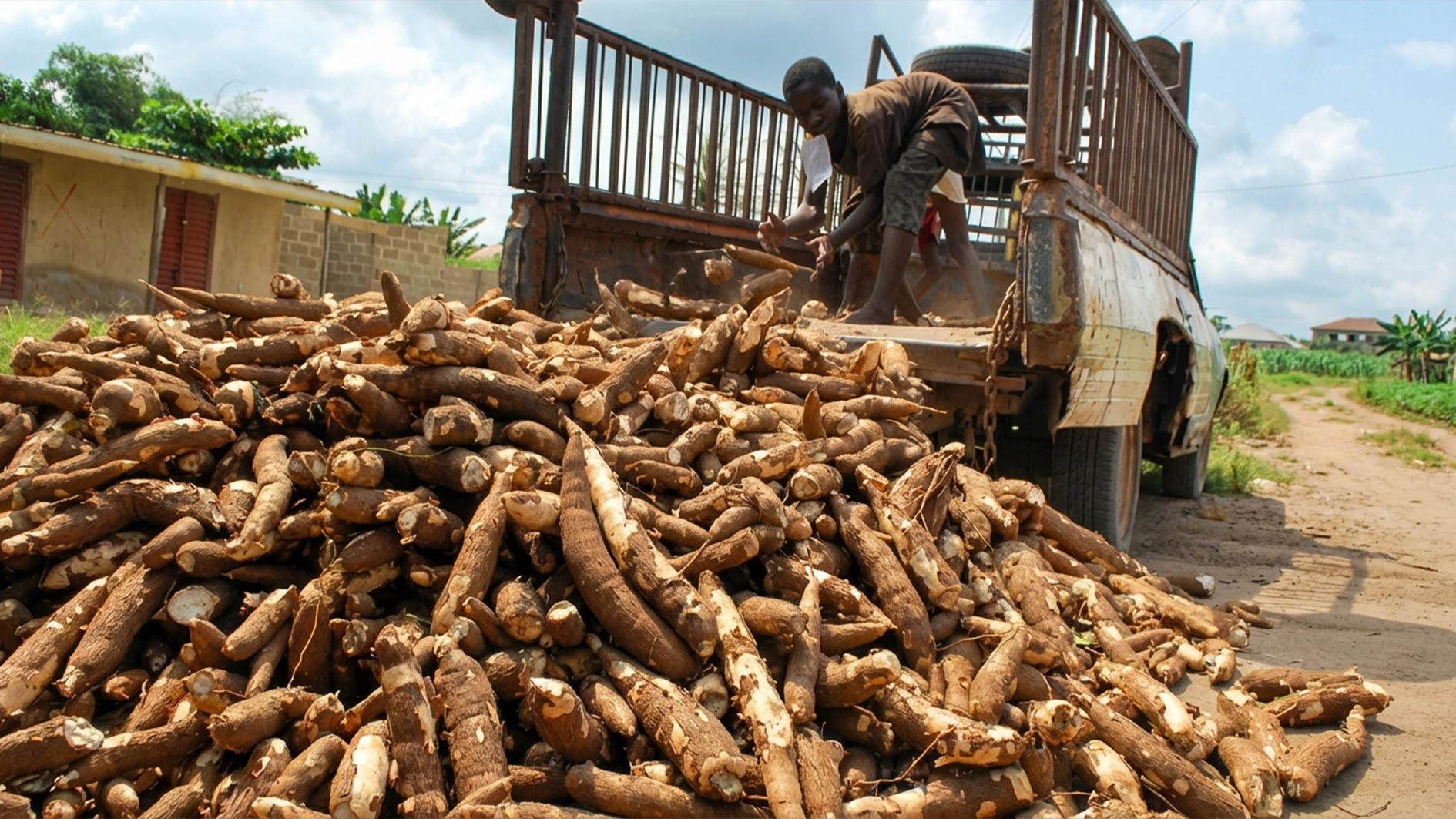
He urged stakeholders to raise awareness of the economic opportunities presented by ethanol production from cassava, saying the initiative could strengthen agro-processing, boost local value addition and provide farmers with additional sources of income.
“E10 will give companies like Unichem the demand they are looking for. It will provide the link to the agriculturists and the farmers.
“That is why we have created this platform so that we get the right crop, cassava, so that the farmers are aware of the opportunities that are coming to them,” he stated.
He disclosed that Nigeria currently produces about 150 million litres of ethanol from cassava annually, but said the transition to E10 would increase demand to about two billion litres.
“So, I see opportunity for farmers, I see opportunity for agro-processing, I see opportunities for my country and my countrymen,” he added.
Isong also urged the media to intensify public awareness on the benefits of ethanol, stressing that building a robust supply chain would be essential to the successful adoption of E10 across the country.
He said MEMAN would continue collaborating with industry experts and other relevant stakeholders to ensure the downstream sector is adequately prepared for the adoption of E10 in vehicles.
“We as MEMAN will continue to work with the professionals to make sure that we are ready professionally to use E10 in our cars,” Isong stated.
He, however, cautioned that the push for ethanol blending would not succeed without a reliable and sustainable supply chain capable of meeting the growing demand for ethanol.
“But all this will come to naught if the supply chain doesn’t begin to prepare itself to provide the ethanol,” he noted.
Also speaking, an ethanol technical consultant and adviser with the US Grains and Bioproducts Council, Rowena Torres-Ordóñez, explained that E10 is a fuel blend made up of 90 per cent petrol and 10 per cent ethanol by volume.
She noted that ethanol has a higher octane rating than petrol, enabling it to improve the octane quality of blended fuel.
According to her, blending ethanol with petrol also enhances fuel quality because ethanol is free of sulphur, benzene and aromatic compounds.
“Ethanol has a much higher octane than PMS. So, adding ethanol into PMS actually enhances the octane of the blend,” Torres-Ordóñez said.