
Financial technology firm Onafriq is closing its Baxi agent banking business in Nigeria. It blamed rising operating costs, currency depreciation and growing competition, which it said have weakened the economics of its offline payments operations.
The pan-African payments company said in an email to The PUNCH on Friday that the decision affects only its agent banking operations and does not signal an exit from the Nigerian market.
According to the fintech, changes in Nigeria’s economic environment and the rapid adoption of instant account-to-account transfers had made the business increasingly difficult to sustain.
Onafriq said trading conditions shifted significantly from 2024, as the depreciation of the naira and wider macroeconomic pressures changed the economics of running the business.
The company also pointed to the rapid growth of instant account-to-account payments, which altered the mix of transactions processed through agents’ point-of-sale (POS) terminals. It added that increased competition and the resulting pressure on transaction margins further weakened the business.
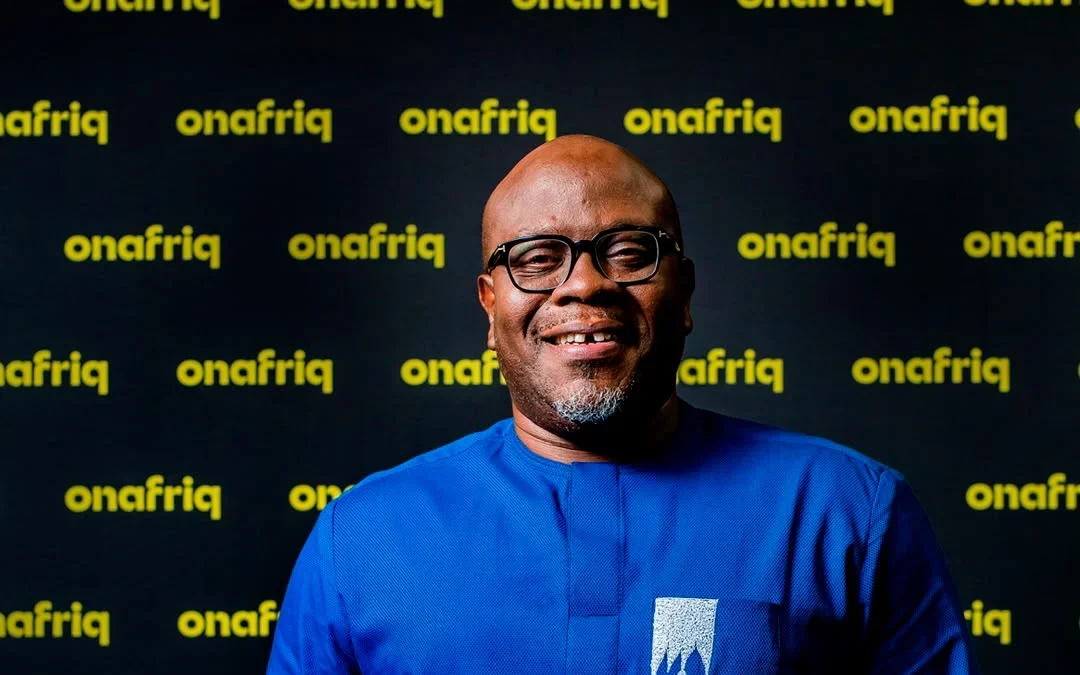
The Founder and Chief Executive Officer of Onafriq, Dare Okoudjou, said, “We entered Nigeria with conviction and commitment, but did not achieve the outcome we set out for. Closing this business was a difficult decision to arrive at, one that affects colleagues, agents, and business partners across Nigeria who poured their hearts and soul into building out the Baxi network.”
Onafriq entered Nigeria’s agent banking market in 2021 by acquiring Baxi, also known as Capricorn Digital Limited, to expand its presence in the country’s payments industry through a network of POS agents. The company said it kept investing in the business through 2023 to grow the network and promote digital alternatives to cash-based transactions.
Agent banking networks provide access to financial services through third-party outlets equipped with POS terminals. Customers can carry out transactions such as cash withdrawals, transfers and bill payments without visiting bank branches. Their commercial viability depends partly on transaction volumes and the margins operators earn after paying agents and covering operating costs.
As more customers adopt electronic transfers, the volume and types of transactions handled by agents can change. This puts pressure on operators whose business models depend on POS activity, and rising costs can squeeze margins further when transaction income fails to keep pace.
Following a review of its long-term strategy and the sustainability of the operation, Onafriq said it concluded that winding down the agent banking business was the appropriate course of action.
The closure will affect employees with roles connected to the agent banking business. The company, however, assured that every affected employee will be consulted, treated fairly and supported through the transition.
“We are committed to honesty, fairness, and a well-managed transition for everyone impacted. Nigeria remains central to our mission, and we will continue to serve the market as a Payment Solution Service Provider through the Onafriq payments network and our card issuing services,” the executive added.
The fintech company said agents onboarded via the Baxi payments platform have been transitioned to another principal bank and we have asked our agents to transfer their funds to their preferred principal bank within 30 days.
“Onafriq’s teams are available to provide support and guidance throughout the process. The company will continue to honour its commitments to affected stakeholders and communicate openly during the transition.”
Onafriq first moved into Nigeria in 2021 by agreeing to acquire Capricorn Digital Limited, which operates under the Baxi brand, to gain a foothold in the country’s digital payments market. The acquisition was completed in March 2022 after approval from the Central Bank of Nigeria.
Founded in 2014, Baxi had built a network of more than 90,000 agents before the acquisition, offering cash withdrawals, money transfers, bill payments and account opening. The network gave Onafriq a way to reach Nigerian consumers and small businesses through physical outlets, complementing its wider African payments infrastructure.
Onafriq, then known as MFS Africa, said the acquisition would connect Nigerian businesses to its cross-border payments network and enable transactions between Nigeria and other African markets. The company had previously focused on connecting banks, mobile money operators and other financial service providers across African countries.