




The Federal Government is developing a policy to support small-scale hydropower projects as it seeks to transform 21 idle dams identified along the Sokoto-Badagry Road into commercially viable assets.
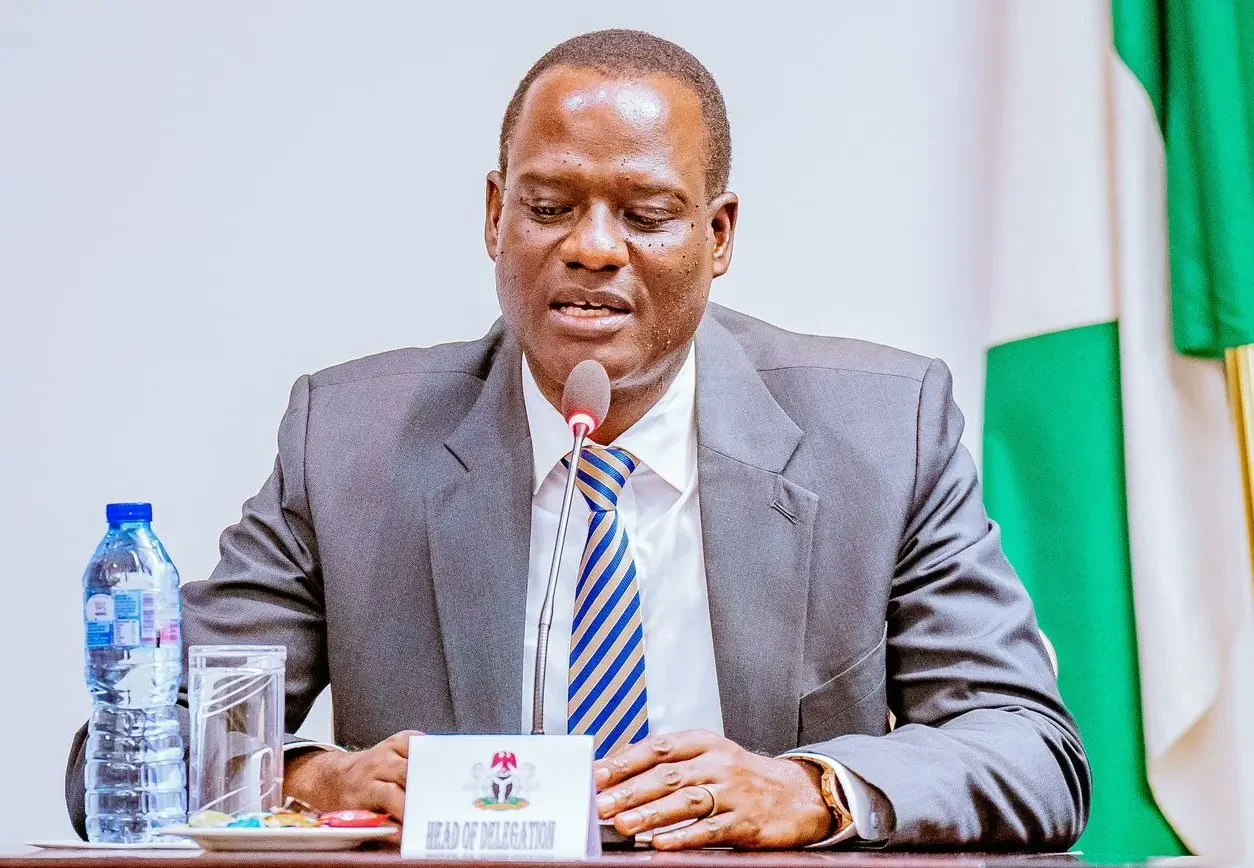
The Minister of Power, Joseph Tegbe, disclosed this in Abuja on Wednesday at the launch of the Renewable Energy Asset Management Company.
He said the discovery of the dams during the ongoing road construction raised concerns over why the infrastructure had remained abandoned for years.
“And again, in the course of the construction of the Sokoto-Badagry Road, 21 dams were discovered. How can we have 21 dams lying fallow?” he asked.
The minister said he had received a mandate from President Bola Tinubu to ensure that the dams are put to productive use.
“That’s why in the power sector, we’re also coming up with a policy on small-scale hydro projects. So that the 21 dams discovered along the Sokoto-Badagry Expressway shall be converted into commercially viable projects,” he stated.
Tegbe said the initiative was part of the Federal Government’s broader efforts to optimise public assets and ensure that existing infrastructure was put to productive use.
He added that the government was identifying stranded and idle power assets and seeking ways to connect them to areas with electricity demand.
“We’re looking at assets in some corridors where we have stranded power and idle power, and we want to channel them to the corridors that need them – in Lagos, in Kano, and in Borno areas,” he said.
The minister said the government was also pursuing measures to stabilise the national grid, with plans focused on three major energy zones and corridors: the Lagos axis, Abuja-Kaduna-Kano corridor, and Enugu-Port Harcourt corridor.
“We’ve identified three major energy zones and corridors: the Lagos axis, Epe, which is all across the main Lagos into the Sagamu axis; Abuja–Kaduna–Kano; and then Enugu–Port Harcourt,” Tegbe said
He said technical audits were underway to assess the condition of infrastructure along the corridors and guide the replacement of faulty equipment.
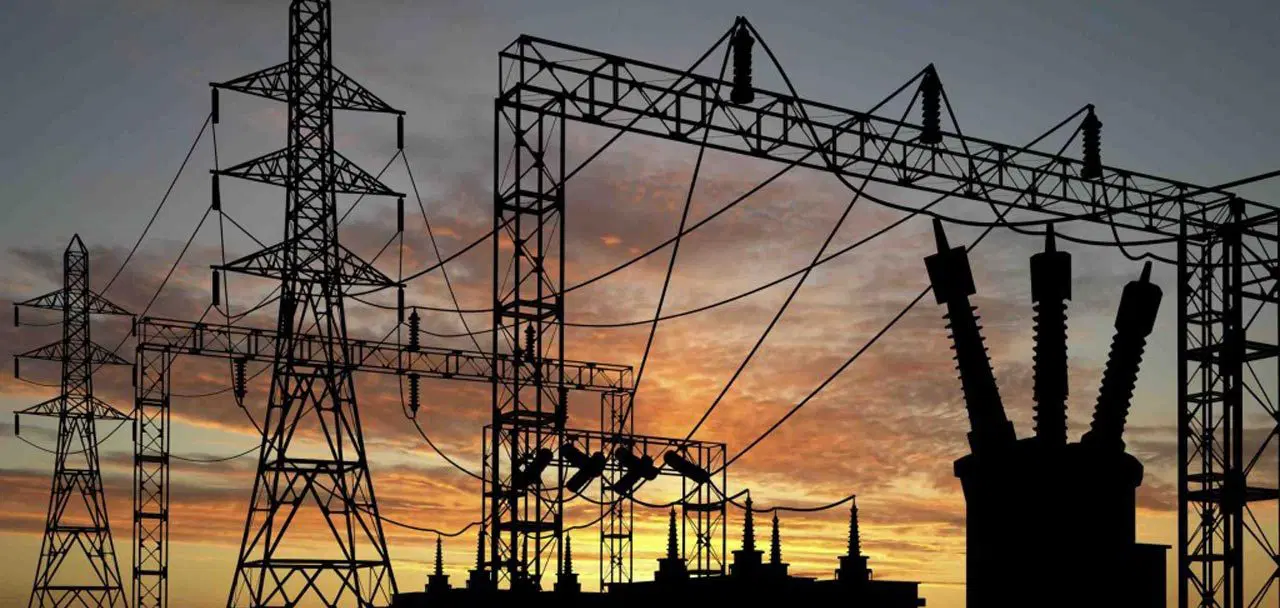
“We’re currently conducting technical audits to identify infrastructure that we have there. How many of our insulators are broken? How many of our conductor relays are falling? How many of our towers are down? And in the next few weeks, once we finish, we’ll start to replace some of the equipment and infrastructure that’s been there for 42 years,” he said.
Tegbe noted that the government had no plans to sell its assets but would instead put them to productive use and leverage them to attract funding.