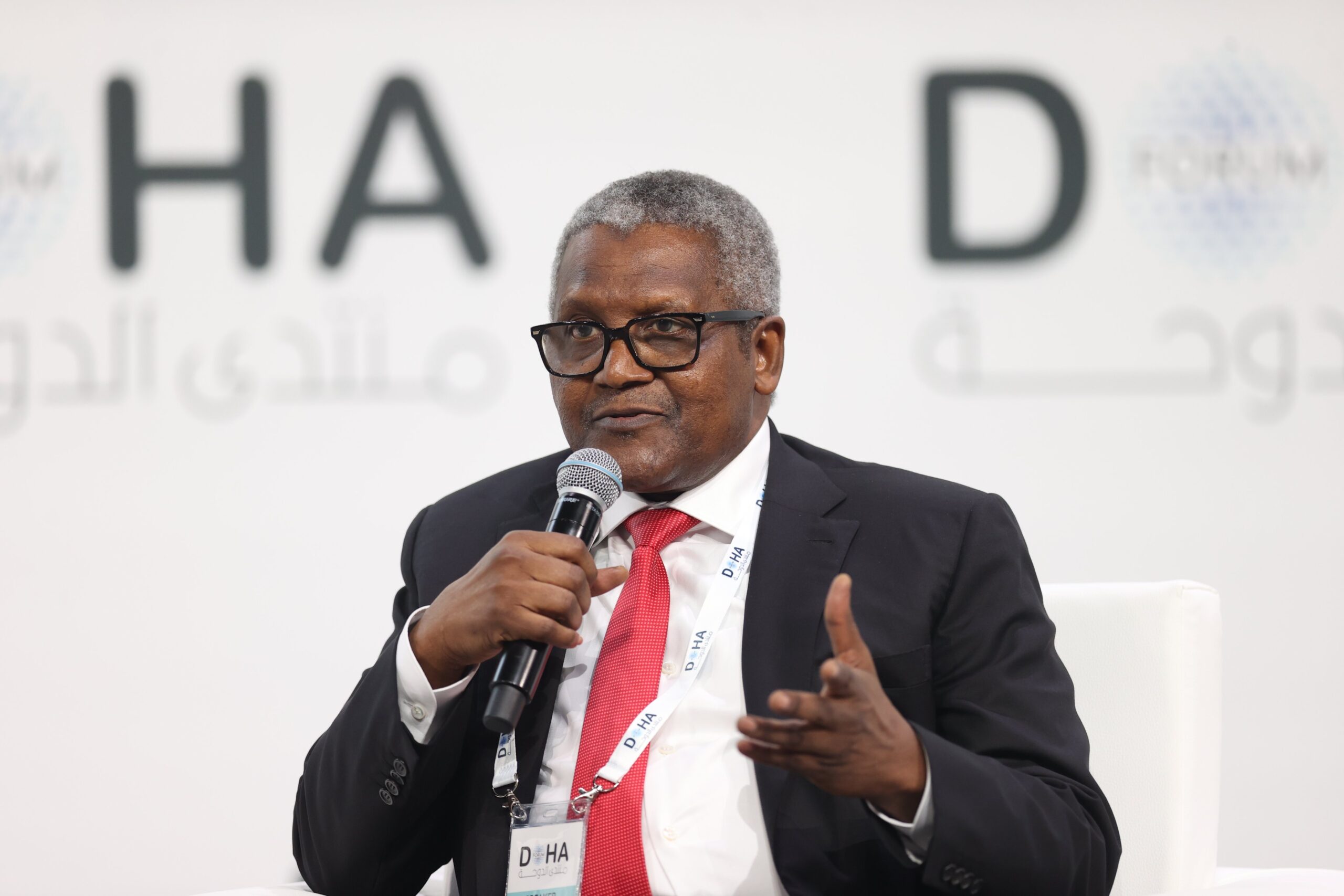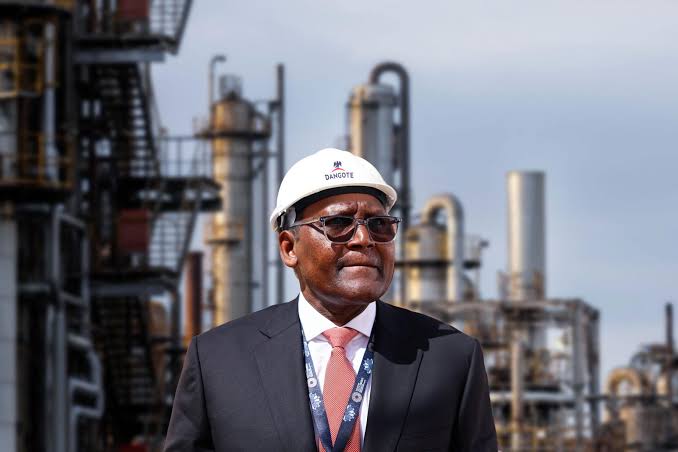

Chairman of Nigeria’s National Malaria Elimination Council and United Nations Malaria Ambassador, Aliko Dangote, has urged governments and the private sector to urgently intensify coordinated efforts to eliminate malaria, describing the present period as critical in the global fight against one of the world’s deadliest diseases.
Speaking to mark the 2026 World Malaria Day, Dangote noted that although progress has been recorded in combating malaria, the gains remain uneven, particularly in sub-Saharan Africa, which accounts for more than 90 per cent of the global disease burden.
He observed that despite advancements in prevention and treatment, malaria continues to rank among the world’s deadliest diseases, with sub-Saharan Africa carrying the overwhelming majority of cases.
The disease, he said, continues to disproportionately affect children under the age of five, pregnant women, displaced populations, and underserved communities, thereby placing sustained strain on healthcare systems and national economies.
“Progress against malaria is real, but it remains deeply unequal,” Mr Dangote said. Too many people still lack access to life-saving prevention, diagnosis, and treatment. This gap is unacceptable when the tools to end malaria already exist.”
Dangote further highlighted that malaria continues to exert enormous pressure on health systems, economies, and communities across Africa, particularly among the most vulnerable populations.
However, he pointed out that the global malaria response has reached a pivotal stage, driven by scientific breakthroughs, improved tools, and strengthened partnerships.
He explained that with the advent of next-generation vaccines, improved diagnostics, and data-driven surveillance systems, the pathway to malaria elimination is now clearer than ever, stressing that what is required is decisive, equitable, and large-scale implementation of these solutions.
Dangote referenced the 2026 World Malaria Day theme, “Driven to end malaria: now we can. Now we must,” noting that it reflects both the opportunity and urgency for collective global action.
He emphasised the vital role of the private sector in supporting both national and international malaria elimination initiatives.
Through workplace and community-based programmes centred on prevention, early diagnosis, and effective treatment, Dangote Industries Limited continues to contribute to malaria interventions that complement public health strategies.
“Aligned and well-coordinated private sector action can deliver measurable impact and significantly reinforce national malaria control programmes,” he said.
Dangote stressed that malaria eradication cannot be achieved by any single sector acting alone.
He maintained that strong public-private partnerships involving governments, businesses, development partners, civil society, and local communities are crucial to mobilising the resources, innovation, and scale required to accelerate progress.
He also warned of emerging threats such as drug and insecticide resistance, noting that these challenges must be tackled through sustained investment in research, innovation, and adaptive strategies to safeguard the progress already made.
“The path to a malaria-free world is clear. We have the tools. We have the knowledge,” he said. “What we need now is urgency, sustained investment, and collective accountability.”
Dangote called on governments to sustain policy momentum and funding commitments, urged the private sector to scale up proven interventions, and encouraged development partners to continue prioritising investments in high-burden regions.
“Together—driven by purpose and united in action—we can end malaria,” Mr Dangote said. “Now we can. Now we must.”