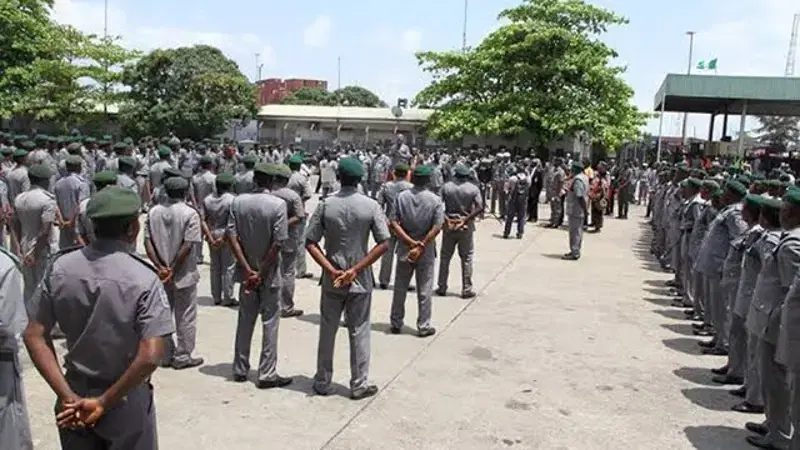

The Nigeria Customs Service has recovered more than N30bn in import duties from owners of private aircraft as it intensifies efforts to enforce compliance with customs regulations, with plans underway to impound about 10 aircrafts over alleged unpaid duties.
Findings by The PUNCH also revealed that the recovery exercise was strengthened through collaboration between the Nigeria Customs Service and the Economic and Financial Crimes Commission after the anti-graft agency sought to verify the import duty status of several privately owned aircraft.
Multiple sources within the Customs Service and relevant government agencies told The PUNCH that the service had reviewed the progress of ongoing court cases with external solicitors and was set to intensify enforcement actions.
A source who spoke in confidence due to the lack of authorisation to speak on the matter said, “We had a review session with external solicitors prosecuting cases in court. They were given an update on what transpired so far and what needs to be done. They’re going to proceed with everything.”
The official disclosed that the exercise had already yielded significant revenue for the Federal Government, with several organisations complying by paying outstanding import duties.
The source said, “A lot of companies have paid up on their duties. Some banks, oil and gas companies, and individuals have paid since the exercise started. Quite a number of people have paid. The service has recovered well over N30bn in duties on just some private aircraft. Others are pending.”
Another official at the Customs Service, familiar with the development, further disclosed that the EFCC initiated the investigation last year by forwarding a list of aircraft to Customs for verification of their import duty status.
The source said, “EFCC last year sent a list and was asking Customs to confirm the list of aircraft. I think they picked up those lists. Whoever gave them the list gave them the right registration marks. So they sent a letter to Customs asking about those aircraft and saying they have interest in confirming which of the private jets have paid duty or have not paid duty.”
According to the source, both agencies eventually agreed to cooperate, leading to invitations being extended to several aircraft owners.
“So, based on that, they now decided that they will cooperate. So, about a month ago, they invited all these private aircraft owners, and some of them avoided going.”
“So, recently they got a couple of them to show up. So, when they showed up, they requested the documents for the aircraft. So, some of them have said, ‘Oh, no, they are private aircraft, foreign-registered, so they are not liable to duty.’ But the EFCC now said, ‘No problem. Let us have your aircraft details.'”
Another official alleged that investigations uncovered arrangements in which some aircraft owners registered aircraft through offshore companies before leasing them to businesses they also controlled in Nigeria.
“There is something a lot of them do. They will register a company offshore. The company is owned by them. So, they will now use that company as the owner of the aircraft. They will buy the aircraft in the name of that company. It is still them. They will now lease it to themselves in Nigeria using a different company name.”
“In the case of this particular aircraft owner, the EFCC discovered, just like we discovered in 2021, that the company that is supposedly leasing the aircraft to the Nigerian entity is owned by the same people. The directors in that company and the directors in this company are the same.”
“So, even before unveiling their identities, you could see. So, it was like some sort of arrangement between themselves to make it seem like they were leasing the aircraft. And this is all so that they don’t pay duty.”
The source maintained that such arrangements did not exempt aircraft owners from paying import duties where the aircraft were domiciled in Nigeria.
“But again, it doesn’t absolve you of paying duty. What makes you liable to pay duty? It’s the fact that the aircraft is a domiciled aircraft.”
The source explained that foreign-registered private aircraft operating in Nigeria are issued Flight Operations Compliance Certificates and Maintenance Compliance Certificates by the Nigerian Civil Aviation Authority after mandatory inspections, making them subject to Nigerian laws, including customs regulations.
The official also said operators with temporary import permits remained exempt only for the approved period, after which Customs could enforce payment of duties and call in the bonds posted on the aircraft if they failed to leave the country as required.
The source further alleged that some aircraft owners deliberately undervalued their aircraft to reduce the amount payable in import duties.
“But a lot of people circumvent that provision by undervaluing the aircraft, so that the bond they will post will be far less than what they should have been paying.”
The source added that investigations had already resulted in enforcement actions.
“So far, several private aircraft owners have been invited to the EFCC to give an account of their liability or otherwise. And emanating from that, a couple of them have already been found culpable, and demand notices have been issued to them to go and make the duty payments, failing which they’ll be prosecuted.”
“They are actually going out against all illegally imported aircraft into the country. Several organisations have come forward to pay, particularly some major banks, oil and gas companies as well.”
The source further revealed that the service had already secured legal backing to seize additional aircraft belonging to alleged defaulters.
The official said, “And in fact, there are orders in place to impound about 10 aircraft already. They secured orders for the impoundment of about 10 aircraft pending forfeiture. So, all that is going to be pursued within the next two weeks.”
The official expressed optimism about the exercise’s outcome and noted that the enforcement campaign would remain continuous due to new cases of alleged violations.
Efforts were made to obtain an official response from the Nigeria Customs Service before publication.
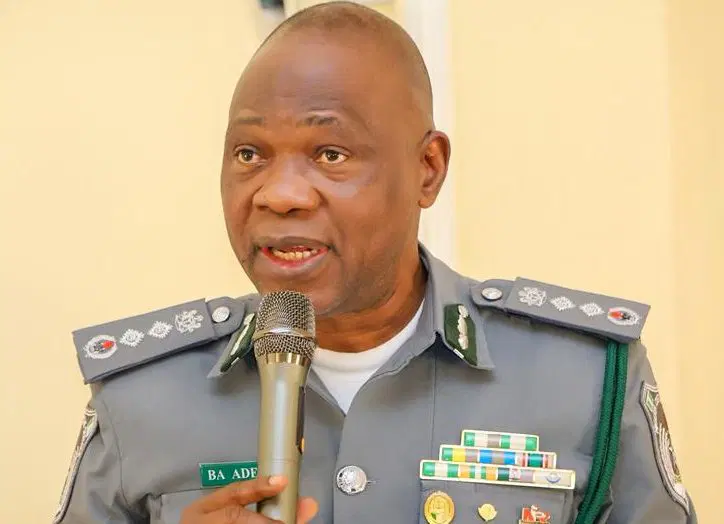
The organisation’s spokesperson, Abdullahi Maiwada, was contacted, and he said he was unable to either confirm or debunk the report, explaining that he needed to obtain proper information on the matter first.
As of the time of filing this report, no further official response had been received from the agency.
In a report exclusively obtained by The PUNCH in March 2025, the Ministerial Task Force on Illegal Private Charter Operations disclosed that the Federal Government lost more than N120bn in revenue over the past decade due to illegal private jet charter operations.
The report attributed the losses to regulatory loopholes, weak enforcement by the Nigerian Civil Aviation Authority, inadequate inter-agency cooperation, and outdated policies that enabled operators to evade statutory charges.
The report also recommended sweeping reforms to tighten oversight of the sector, including strengthening the NCAA’s regulatory enforcement, introducing a licensing framework for air charter brokers, and improving collaboration among aviation agencies.
It further highlighted the need to address security gaps and improve transparency in private aircraft operations as part of efforts to curb revenue leakages and restore regulatory compliance in the aviation sector.