

The Central Bank of Nigeria said on Tuesday that recent stability in the foreign exchange market, stronger external reserves and easing inflation suggest that its ongoing monetary policy reforms are beginning to deliver positive results.
The apex bank disclosed that Nigeria’s external reserves climbed above $52.5bn as of July 17, 2026, surpassing its annual target and reaching their highest level in 17 years.
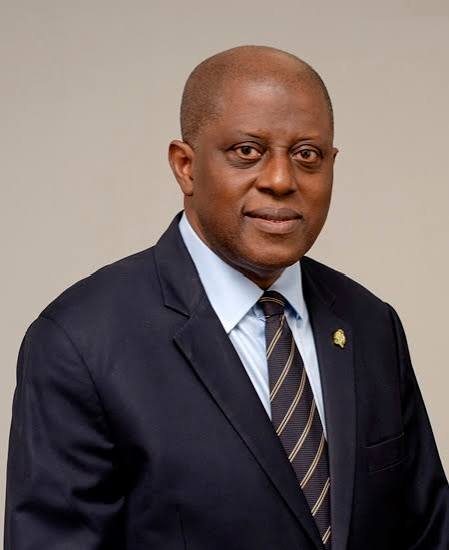
The disclosure was made by the Governor of the Central Bank of Nigeria, Olayemi Cardoso, who was represented by the Acting Director of the Corporate Communications and Investor Relations Department, Mrs Hakama Sidi-Ali, at the CBN Fair held at the International Conference Centre in Gombe.
Sidi-Ali also reiterated the position in a statement issued on Tuesday.
“The Central Bank of Nigeria has disclosed that Nigeria’s foreign reserves have exceeded its annual target and have climbed above $52.5bn as of July 17, 2026, representing a 17-year high,” the statement read partly.
Cardoso said the milestone reflects sustained capital inflows, renewed investor confidence and growing confidence in Nigeria’s economic management.
“This is supported by sustained inflows and renewed investor confidence and participation across asset classes in Nigeria,” he said.
He noted that headline inflation eased marginally from 15.93 per cent in May 2026 to 15.91 per cent in June, while both core and food inflation also moderated during the period.
According to the CBN governor, the improvement was driven by disciplined monetary tightening, exchange-rate unification and enhanced market transparency.
Cardoso added that the naira has become more stable, with the gap between the official foreign exchange rate and Bureau de Change rates narrowing to below two per cent.
He said the convergence reflects improved liquidity and growing confidence in the foreign exchange market following the CBN’s reform measures.
He said, “The naira continues to strengthen, with the spread between official and Bureau de Change rates now narrowing to below two per cent.”
Cardoso said the CBN had spent the past 34 months implementing a series of reforms designed to lay the foundation for sustainable economic growth, create jobs and reduce poverty.