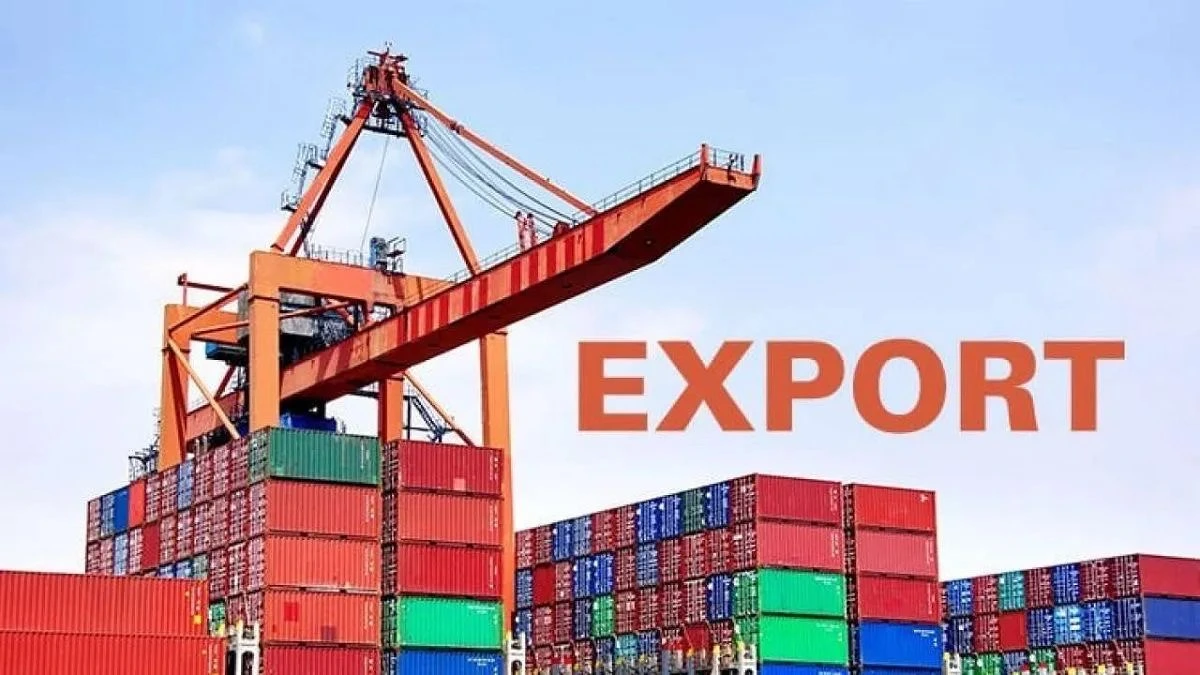
The Federal Government has completed the process of deploying an automated export processing system aimed at strengthening regulatory compliance and curbing revenue leakages in the exports sector.
The Project Director of the National Single Window, Mr Tola Fakolade, disclosed this on Thursday in Port Harcourt at the Phase Two Export Sensitization Joint Stakeholders Engagement.
The event was held under the theme, “Unlocking Endless Possibilities: A Comprehensive Outlook on the NSW Project”.
Fakolade described the NSW as a Federal Government initiative designed to streamline international trade through a unified digital platform for trade documentation, permits and approvals.
“The second phase of the project, scheduled to commence on Dec. 14, is expected to eliminate the multiple bottlenecks, delays and revenue leakages that have long frustrated exporters,” he said.
He said the first batch of the phase would cover the issuance of export permits by agencies, including the Standards Organisation of Nigeria (SON), NAFDAC and the Federal Produce Inspection Service.
According to him, the second batch, which involves processes handled by the Central Bank of Nigeria (CBN), will begin in the first quarter of 2027.
Fakolade explained that the first phase had streamlined the submission of licences and permits by integrating the digital systems of various regulatory agencies.
He said the platform had also strengthened compliance by ensuring that users met regulatory requirements before accessing relevant services.
“One of the testimonials we received from agencies during the first phase was that enforced compliance on the platform helped users comply with regulations.
“When there is compliance, there is also a reduction in revenue leakages,” he said.
The NSW project director said the project team was engaging exporters and other stakeholders nationwide to ensure adequate awareness ahead of the second phase.
He listed Enugu, Akure, Jos, Lagos and Port Harcourt among the cities already visited, adding that the sensitisation would continue in Kano and Abuja.
He said the NSW team was working with the Nigerian Export Promotion Council (NEPC), which maintains the database of registered exporters.
“The partnership would provide access to relevant information and insights required for effective implementation of the export phase,” he said.
Fakolade said the project had completed its User Acceptance Testing and would begin end-user training on Monday.
He urged exporters and other stakeholders to register for the training so as to familiarise themselves with the platform ahead of its implementation.
Meanwhile, the Executive Director of the NEPC, Mrs Nonye Ayeni, said Nigeria’s non-oil export earnings rose by 11.5 per cent to 6.1 billion dollars (₦875.4 billion) in 2025.
Ayeni, who was represented by the Director of Trade Information at the NEPC, Mr Ndubueze Okeke, said the figure was up from 5.46 billion dollars (₦783.5 billion) in 2024.
She said export volumes also increased by 10 per cent to 8.02 million metric tonnes.
She added that the country exported 281 non-oil products to 120 countries during the period.
“This reflects the country’s growing export potential,” she said.
The NEPC chief executive, however, said sustained growth required efficient systems to move products from local markets to international destinations with minimal delays and reduced costs.
She expressed confidence that the NSW would improve inter-agency coordination, eliminate duplication, enhance transparency and reduce administrative burdens on businesses.
Ayeni said the council had begun engagement and onboarding processes to integrate relevant export services into the platform.
She said it was important for exporters to understand the relationship between the NSW, the Trade Monitoring System (TRMS), Forms NXP and NCX, as well as the applicable registration, permit and certification requirements.
“Our objective is to ensure a seamless transition that simplifies processes rather than creates additional burdens for businesses,” she said.
The Controller in charge of Modernisation at the Nigeria Customs Service (NCS), Mr Aondona Fanyam, said the service was working with relevant government agencies to digitise and integrate export documentation into the NSW platform.
Fanyam said the project, which had been tested through import processes, was now being extended to exports through a phased implementation approach.
“The agencies are ready, but the stakeholders need to be aware of what is happening. That is why we are here to sensitise them and provide avenues for training,” he said.