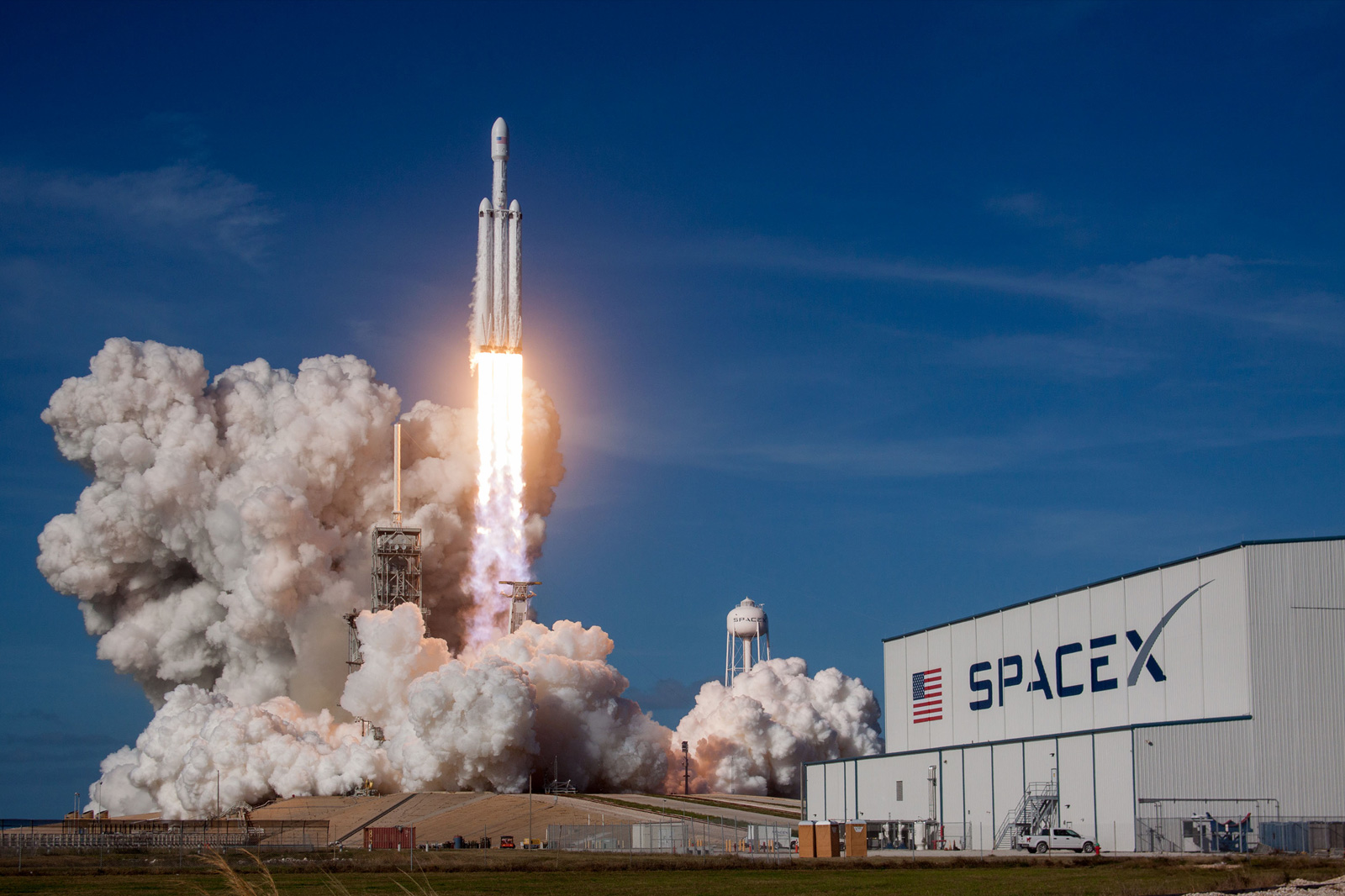
SpaceX launched its Starship rocket on its 15th test flight on Friday but abandoned its first attempt to catch both stages of the vehicle.
The Super Heavy booster aborted its planned return to the launch tower and instead splashed down in the Gulf of Mexico.
The upper stage, Ship 42, successfully reached orbit and deployed 26 Starlink satellites, according to Spaceflight Now. It is scheduled to return to Starbase, Texas, on Saturday, when SpaceX will attempt to catch it using the launch tower’s mechanical arms for the first time.
The rocket lifted off from Starbase at 4:47 pm local time on Friday, with the Super Heavy booster expected to return to the launch pad approximately six minutes after launch.
However, the booster autonomously cancelled the planned catch after detecting a guidance and navigation problem, SpaceX commentator Dan Huot said.
The booster switched to a backup landing plan offshore but exploded shortly before hitting the water, according to Spaceflight Now.
SpaceX has successfully caught a Super Heavy booster three times in previous tests. However, the company has yet to catch the newer, larger Version 3 booster or the Starship upper stage.
The flight marked the second time Starship has reached orbit. During its first orbital flight in September, an engine failure forced SpaceX to terminate the mission earlier than planned.
This time, Ship 42 is expected to remain in orbit for approximately 22 hours, completing about 14 laps around the Earth, UPI reported.
However, SpaceX retains the option of ending the flight early and directing the spacecraft into the ocean if any problems emerge.
Successfully catching the upper stage would mark a significant milestone towards developing a fully reusable rocket. SpaceX says the technology is essential to reducing launch costs and supporting its ambitions to transport astronauts and cargo to the Moon and Mars.