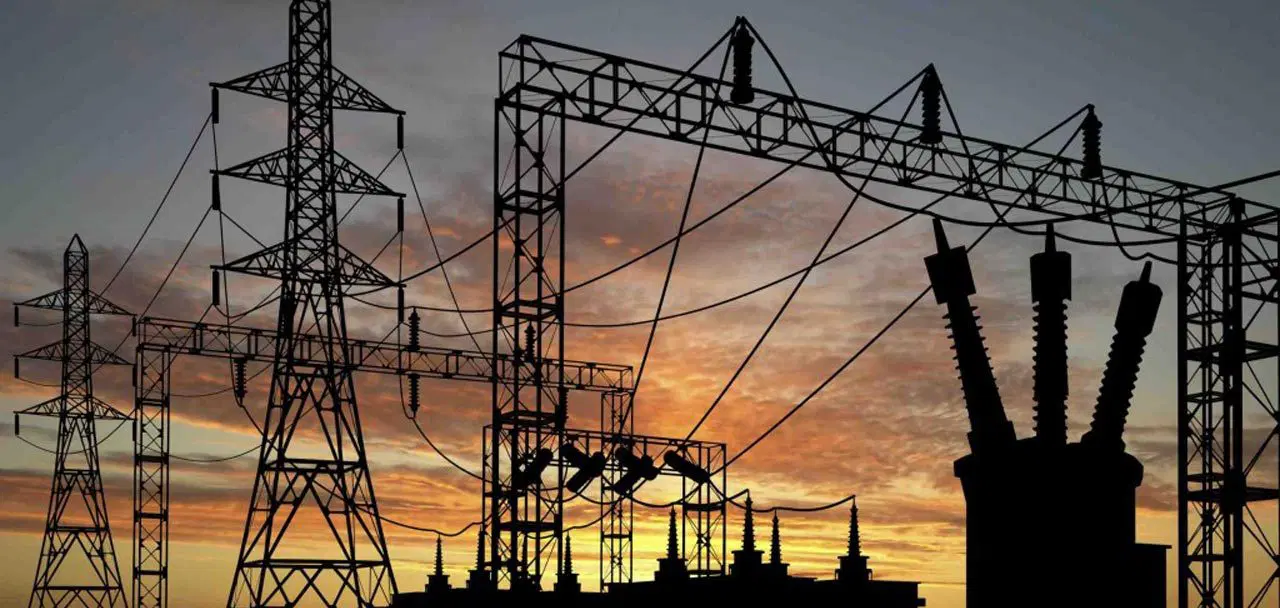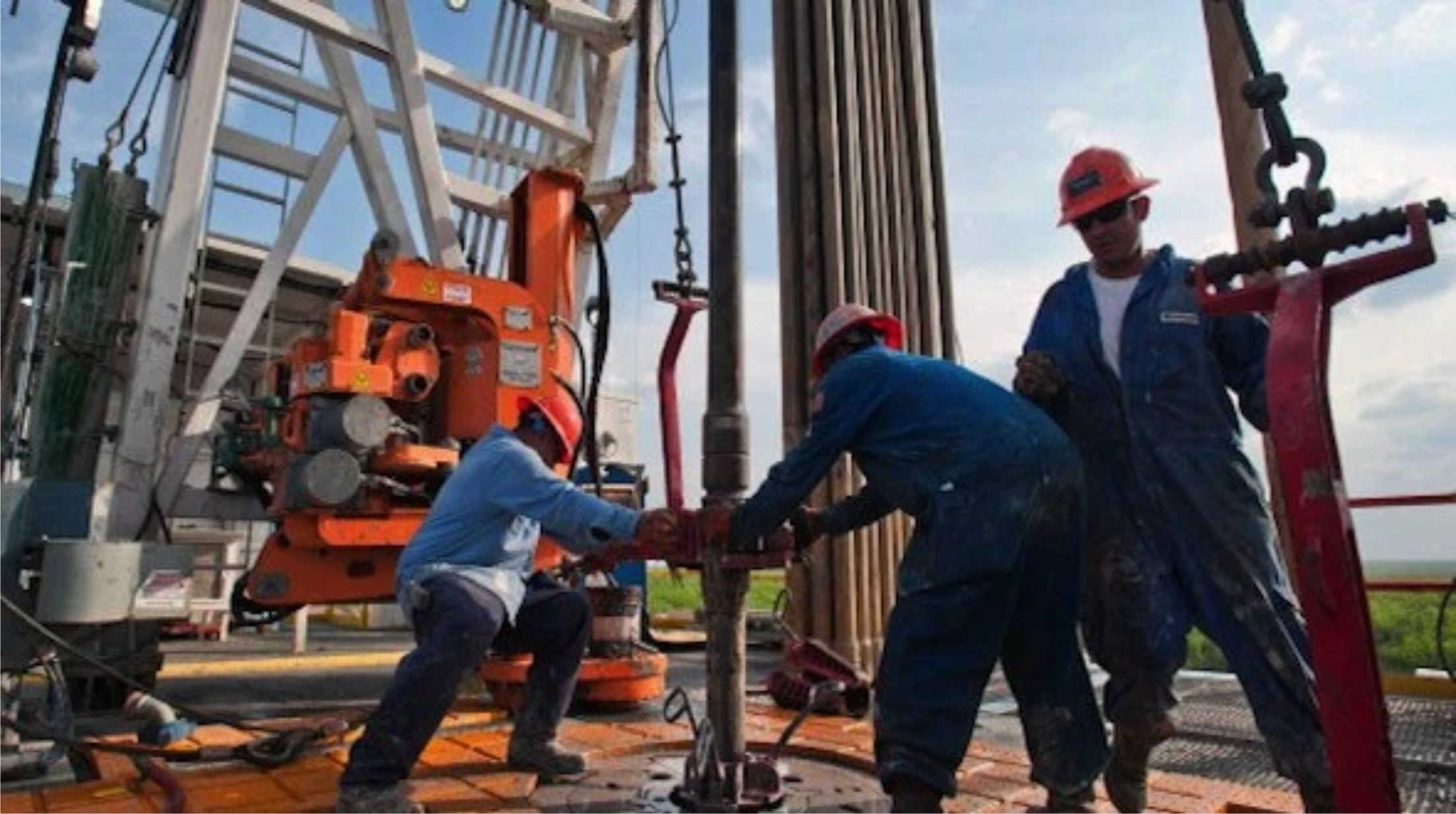
The Federal Government has raised the alarm over electricity theft by some companies in Lagos State, alleging that they illegally connect their factories directly to the national grid and consume as much as 150 megawatts of electricity daily without the consent of their distribution companies.
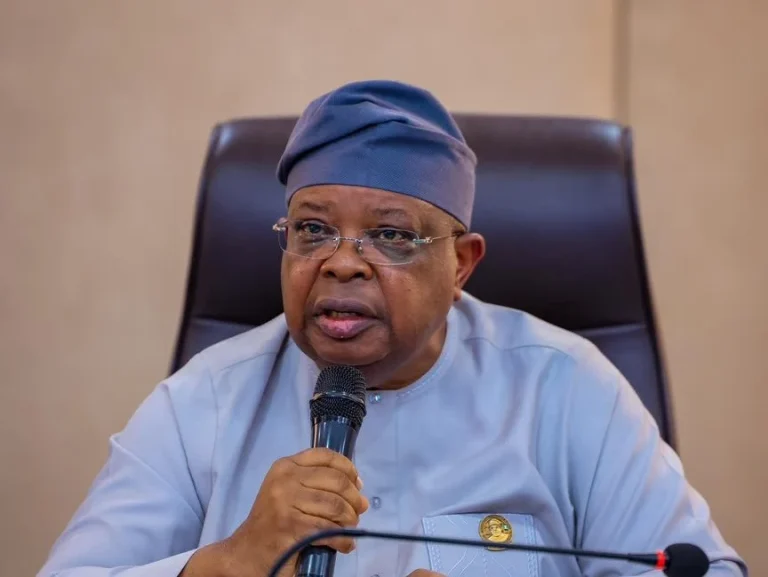
The Minister of Power, Joseph Tegbe, said the government was pursuing the unnamed companies and considering recovering charges for the electricity they had consumed as part of efforts to reduce technical losses and improve power supply.
Speaking recently at an energy forum in Lagos, Tegbe disclosed that the alleged electricity theft was uncovered during efforts to address persistent power supply challenges along the Lagos corridor.
“I need to fix Lagos. In the middle of trying to fix Lagos, distinguished ladies and gentlemen, do you know there are some people that are also directly connecting factories to the grid, taking as much as 150 megawatts every day? That’s energy theft. And I’m not talking about individual houses; I’m talking about companies.
“We’re going after those companies. We’ll collect back charges from them, and we’ll make sure that the technical loss factor in the grid is reduced,” Tegbe said.
The minister also disclosed that development finance institutions had committed about $18bn to Nigeria’s power sector. However, he criticised the prioritisation of investments, noting that some projects had been driven by political patronage rather than being guided by the sector’s most pressing needs.
“Now, have we been spending money? Yes, we’ve been spending money. It will interest the audience here that we have about $18bn commitment in the power sector today from DFIs. But we’ve not been prioritising what we’re doing. We’ve been implementing projects based on political patronage. Now we’re taking a second look at it,” he said.
The minister had earlier disclosed that the government had begun a nationwide technical audit to identify faults in the electricity infrastructure and ensure that interventions were targeted at addressing the specific problems affecting power supply.
He attributed some of the challenges facing the power sector to ageing transmission infrastructure, noting that parts of the network had been in operation for about 50 years.
Tegbe said the government was also constructing a new National Control Centre to replace the existing facility in Osogbo, which he said was built in 1962.
He added that efforts to isolate Lagos and Abuja from disturbances in other parts of the national grid had helped improve power supply stability. According to him, the government was working to prevent disruptions in one location from triggering problems in other parts of the country.
On funding and investment, Tegbe said the government was working to establish two companies, the Grid Asset Management Company and the Renewable Asset Management Company, to consolidate infrastructure assets and leverage their balance sheets to raise funds for the sector.
“The third pillar of what we’re doing, and things that need to change with coordinated planning, is liquidity, market liquidity, and credit. The reality today is that no investor will come with the kind of antecedents that we have. So, what are we doing? Clear that legacy debt. But then, create two companies: one is Grid Asset Management Company, and one is Renewable Asset Management Company.
“For the first time, we are collating and consolidating the assets we have in the grid assets and the renewable assets so that we can have an entity that can leverage the balance sheet of those assets and use that balance sheet to actually raise funds, rather than going to bond or trying to raise debt,” he said.