The House of Representatives has summoned chief executive officers of telecommunications companies operating in Nigeria to appear before it on October 28 to explain the persistent deterioration in service quality, warning that defaulters risk arrest.
The directive was issued on Wednesday by the House Ad hoc Committee investigating the persistent poor quality of service and customer experience in Nigeria’s telecommunications sector.
The resolution followed the adoption of two motions sponsored by Rep. Sunday Umeha (APC-Enugu) and Rep. Afam Ogene (NDC-Anambra), after the chief executives of MTN, MAFAB Communications and other service providers failed to honour previous invitations from the committee.
The committee directed the Nigerian Communications Commission to ensure that the chief executives of MTN, Globacom, Airtel, MAFAB Communications and other telecommunications operators appear before it on October 28 at the National Assembly Complex.
The telecommunications operators were also directed to submit all relevant documents to the committee on or before the scheduled hearing date.
The lawmakers warned that arrest warrants could be issued against any chief executive who failed to honour the summons.
The committee’s chairman, Rep. Olumide Osoba (APC-Ogun), said the persistent decline in telecommunications service quality had prompted the House to set up the committee to investigate the situation.
He noted that several critical sectors of the economy, including point-of-sale (POS) transactions, relied heavily on telecommunications networks, stressing the importance of reliable services to businesses and consumers.
Osoba alleged that the invited chief executives had repeatedly offered various excuses for their absence, sending lower-ranking officials to represent them instead of appearing before the committee in person.
Rep. Ibe Osonwa (LP-Arochukwu/Ohafia) criticised telecommunications companies for generating significant revenue from Nigeria while failing to appear before lawmakers to account for their operations.
He described the operators’ failure to honour parliamentary invitations as unacceptable, stressing that companies benefiting from the Nigerian market should not disregard requests by lawmakers to explain their activities.
In his ruling, Osoba urged the Nigerian Communications Commission to ensure that telecommunications operators complied with the committee’s resolution and that their chief executives appeared before the lawmakers as directed.
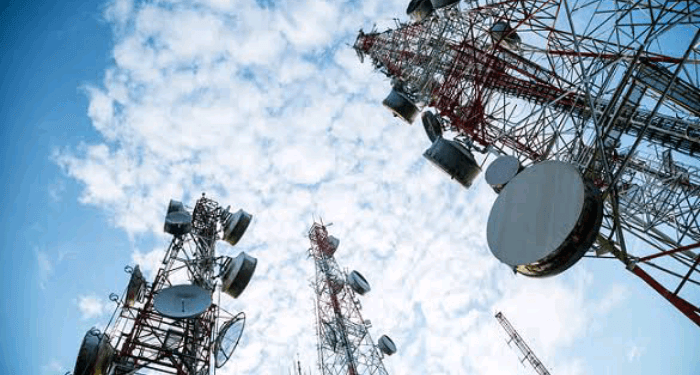
The House committee’s investigation comes amid longstanding concerns over poor telecommunications network quality, despite investments in infrastructure and regulatory measures introduced to improve service delivery and protect subscribers.
In October 2025, the Nigerian Communications Commission (NCC) attributed poor telecommunications services in Lagos, Abuja and other major cities to inadequate network capacity in densely populated urban areas. The regulator called for increased investment in 5G deployment and upgrades to existing 4G infrastructure to ease network congestion and improve service delivery.
In April 2026, the NCC began implementing a compensation framework for subscribers affected by poor network quality. Under the framework, eligible telecommunications operators are required to compensate customers in areas where service quality falls below prescribed standards, covering voice calls, data and SMS services.