

The Centre for the Promotion of Private Enterprise has warned that rising energy costs could undermine Nigeria’s recent disinflation gains, despite headline inflation slowing to 14.63 per cent in September 2026.
The policy think tank said the sharp rise in monthly energy inflation threatened to reverse the broader decline in consumer prices, urging the government to strengthen domestic energy resilience and reduce production and distribution costs.
The warning was contained in a policy brief by the CPPE on Nigeria’s September 2026 inflation report released by the National Bureau of Statistics.
According to the organisation, monthly energy inflation rose sharply to 5.38 per cent in September from 0.36 per cent in August, representing an increase of 5.02 percentage points. Year-on-year energy inflation stood at 10.85 per cent.
The CPPE identified the surge in monthly energy inflation as one of the most significant warning signs in the September report, stressing that energy remains a critical input across nearly every sector of the economy.
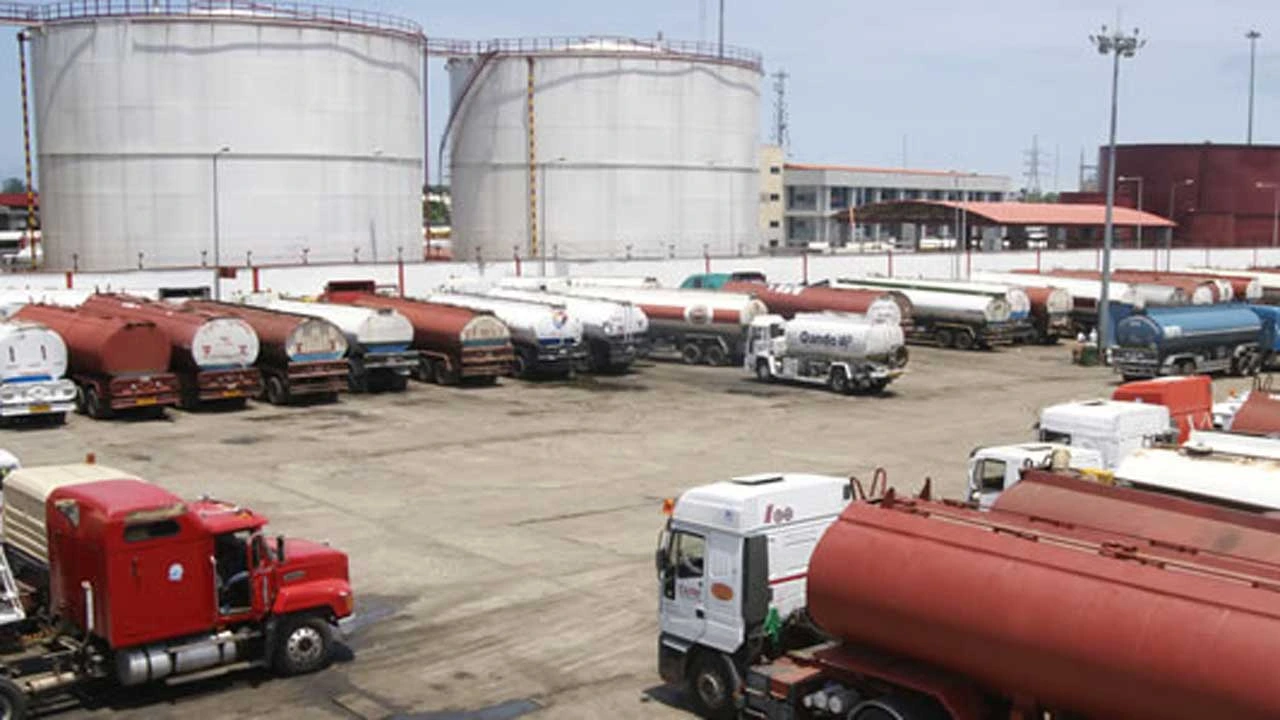
It explained that rising petrol, diesel and gas prices increase transportation, distribution and production costs, potentially pushing up food prices and core inflation.
The CPPE attributed the rising energy costs to geopolitical tensions in the Middle East, which have fuelled volatility in global petroleum markets and left Nigeria vulnerable to external price shocks.
It noted that while exchange rate stability could help ease imported inflation, it would not be sufficient to counter the impact of rising global energy prices.
The think tank warned that continued increases in energy costs could reverse the recent decline in inflation, adding that sustainable price stability would depend on reducing Nigeria’s structural reliance on expensive and volatile energy sources.