


The technology that investors and governments are relying on to drive global economic growth is also creating new pressures that could weigh on the outlook, the head of the International Monetary Fund has warned, urging policymakers to confront difficult debt decisions.
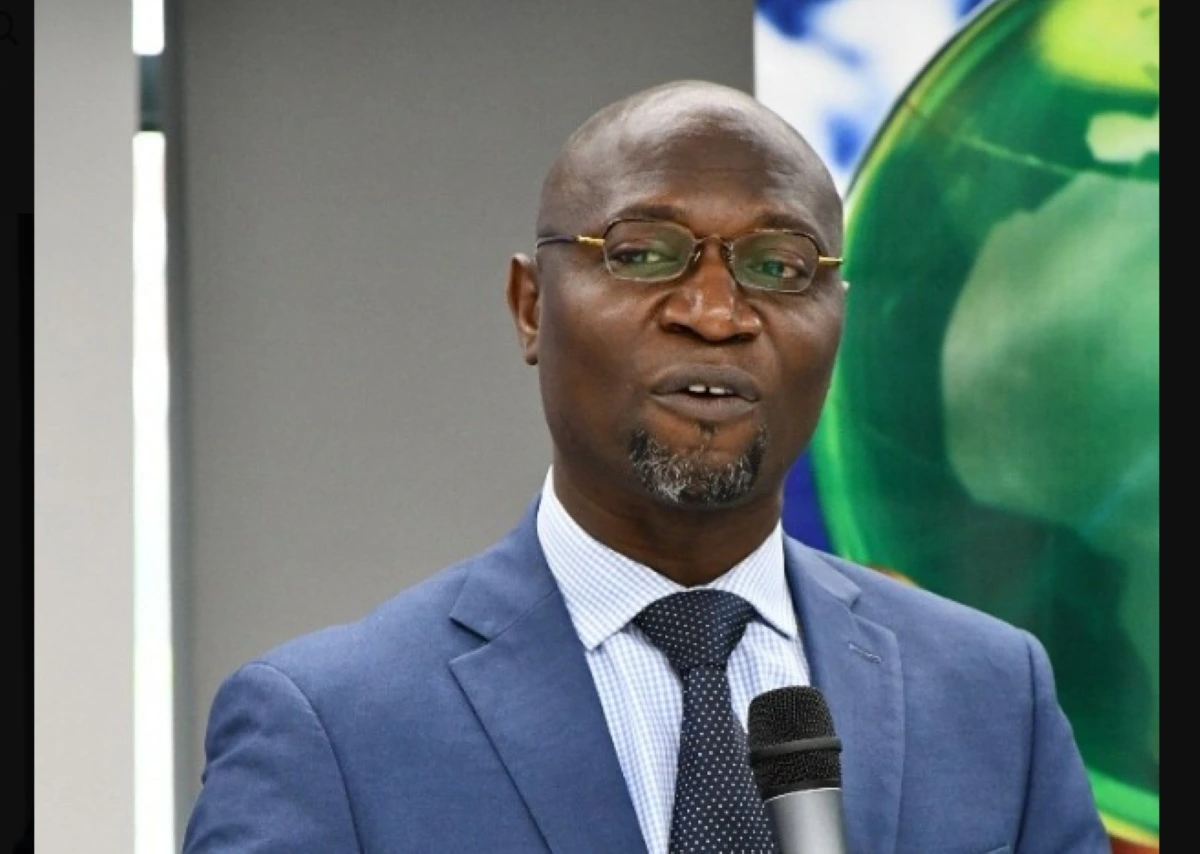
IMF Managing Director Kristalina Georgieva said at an event in Singapore on Wednesday that artificial intelligence was “rapidly becoming a key driver of countries’ relative fortunes in the world economy.”
However, the combined pressures of rapid AI advances, rising energy costs and record public debt are weighing on what has already been an “underwhelming” period of global growth this decade.
“Love it, hate it, or fear it, AI is here,” Georgieva said.
Speaking ahead of the IMF and World Bank annual meetings scheduled to begin next week, Georgieva said the global economy was being pulled in two opposing directions.
She pointed to a “negative energy supply shock” stemming from the war in the Gulf, now in its eighth month, alongside a “positive demand shock” driven by the boom in AI investment.
She said the combined impact was “highly uneven across the world.”
On the positive side, Georgieva said global AI investment as a share of GDP could reach or surpass the levels seen during the construction of major infrastructure such as railways, electricity grids and telecommunications networks.
She added that AI hardware and related technology products already account for more than a tenth of global goods trade.
The IMF estimates that artificial intelligence could add up to 0.5 percentage points to annual global economic growth if properly harnessed.
“Going from 3% to 3.5% over a decade — that is like adding an economy the size of ASEAN to the world economy,” Georgieva said.