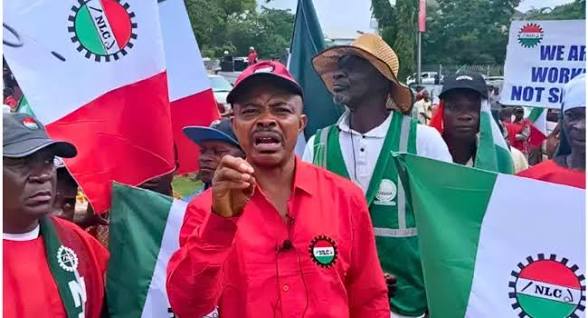
The Nigeria Labour Congress has criticised the latest increase in the price of Premium Motor Spirit, popularly known as petrol, describing the development as “avoidable and unacceptable.”
The union also questioned why the Federal Government had not done more to ensure that the Dangote Petroleum Refinery receives adequate supplies of crude oil from Nigeria.
The acting General Secretary of the NLC, Benson Upah, made the remarks in an interview with our correspondent on Tuesday while reacting to the latest petrol price hike.
Upah warned that the increase would further worsen the economic hardship faced by ordinary Nigerians, particularly workers and low-income households already grappling with rising transportation, food and other living costs.
He said, “This adds to the increasing difficulties of the average Nigerian for whom life has been Hobbesian.”
The labour leader argued that the latest increase was difficult to justify, especially in light of developments in the international oil market and Nigeria’s expanding domestic refining capacity.
He added, “The latest increase is avoidable and unacceptable in light of falling prices in the international market and our local capacity to sell more crude oil to Dangote. Why are we not doing so?”
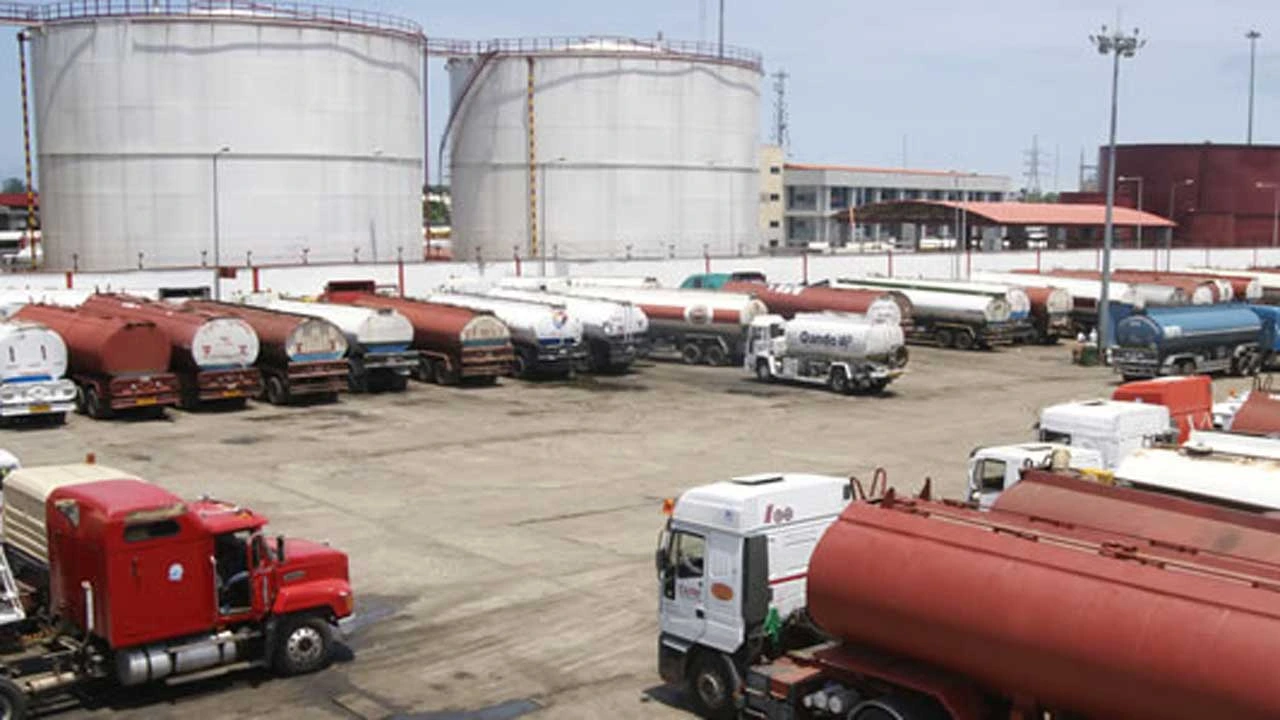
The NLC’s reaction followed another increase in the price of petrol by the Dangote Petroleum Refinery, sparking fresh concerns among motorists, transport operators and businesses already struggling with high operating costs.
The refinery raised its petrol gantry price by N65 per litre on Saturday, from N1,200 to N1,265 per litre. The latest increase came just three days after the company adjusted the price from N1,185 to N1,200 per litre.
It marked the refinery’s third petrol price adjustment in eight days. On August 21, the company had increased its gantry price from N1,165 to N1,185 per litre.
The three successive adjustments have cumulatively raised the price of petrol at the refinery’s gantry by N100 per litre, representing an 8.6 per cent increase within eight days.
The latest increase has begun to reverberate across the downstream market, with petrol prices varying across locations as marketers factor in transportation, logistics and other distribution costs.
In parts of Lagos and Ogun states, petrol has been reported at around N1,310 per litre, while prices in some northern states and areas farther from the refinery have risen to N1,350 or more. In some locations, the product is now approaching N1,400 per litre.