

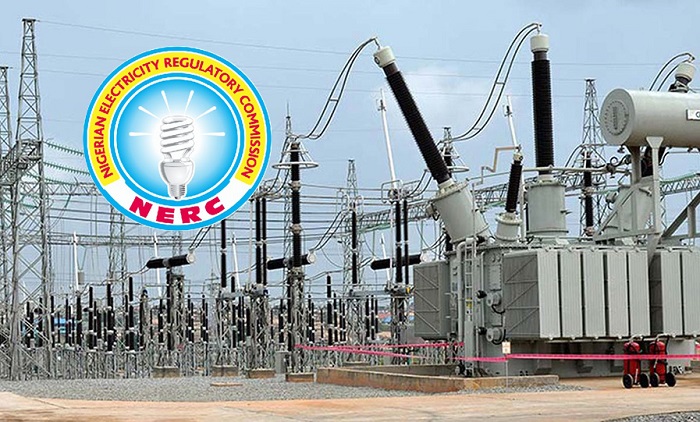
Nigeria recorded the lowest average electricity tariff among 14 selected African countries in 2025, with an average allowed end-user tariff of N124.30 per kilowatt-hour, according to the Nigerian Electricity Regulatory Commission.
NERC disclosed this in its 2025 Annual Report, which compared Nigeria’s average allowed end-user electricity tariff with rates in 14 selected African countries, most of them in West Africa.
NERC said Nigeria’s average electricity tariff was equivalent to $0.08/kWh, significantly lower than the $0.19/kWh average recorded across the other countries surveyed.
According to NERC, Nigeria’s average electricity tariff represented 42.11 per cent of the average rate recorded across the other selected African markets.
South Africa recorded the highest average electricity tariff among the selected African countries at $0.27/kWh, equivalent to N399.73/kWh, followed by Sierra Leone at $0.25/kWh and Mali at $0.23/kWh.
Burkina Faso, Kenya, Gabon and Togo each recorded an average tariff of $0.22/kWh. Ghana and Rwanda followed at $0.18/kWh each, while Uganda recorded $0.16/kWh.
Namibia, Côte d’Ivoire and Mauritius posted average tariffs of $0.15/kWh, $0.14/kWh and $0.13/kWh, respectively.
NERC’s comparison showed that electricity tariffs across the selected markets were generally higher than Nigeria’s average allowed end-user tariff during the period under review.
The comparison comes as Nigeria continues to grapple with financial pressures and other challenges affecting the electricity supply industry.
In July, the Federal Government ruled out any immediate increase in electricity tariffs as it continued efforts to boost power generation and address outstanding financial obligations across the electricity sector.
The government has also introduced measures to tackle accumulated debts within the electricity value chain, as part of broader efforts to strengthen the sector’s financial position.
These measures reflect the Federal Government’s focus on addressing longstanding financial obligations in the power sector while maintaining its current position on electricity tariffs.