




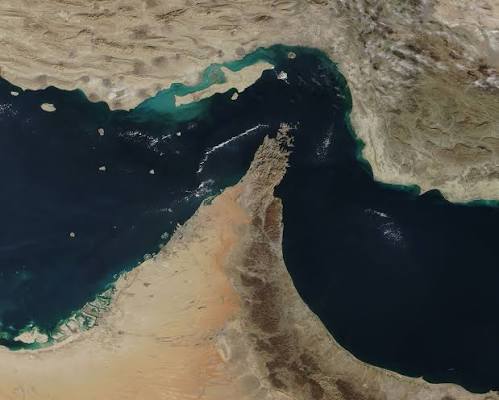

Shipping activity through the strategic Strait of Hormuz has increased in recent days despite ongoing tensions in the Middle East, with the United States saying its navy has escorted some tankers through the vital waterway.
The Al Areesh departed the Persian Gulf early Thursday carrying a liquefied natural gas cargo from Qatar, marking the country’s first LNG shipment in three weeks, according to Bloomberg.
Meanwhile, the liquefied petroleum gas carrier CYH Yongchun appeared to have crossed the Strait of Hormuz with its transponder switched off, according to ship-tracking data.
Fourteen commodity vessels transited the Strait of Hormuz in both directions on Wednesday, according to data from market intelligence firm Kpler, up from single-digit crossings recorded last week. The figures remain subject to revision as additional tracking information becomes available.
In a further sign of improving shipping activity, a crude oil supertanker has been provisionally chartered at a rate of nearly $500,000 per day to load a cargo at an undisclosed Persian Gulf port next week for delivery to China.
Shipowners and commodity traders are closely monitoring vessel movements through the Strait of Hormuz and the Bab el-Mandeb Strait in the Red Sea as security conditions in the region continue to evolve.
Shipping traffic through both strategic waterways has fluctuated in response to successive waves of attacks, including incidents involving oil tankers.
Traffic through the Strait of Hormuz fell sharply after the United States stepped up military strikes on Iran in mid-July, triggering retaliatory attacks by Tehran on several countries, including Kuwait.
Although hostilities resumed this week following a brief lull, U.S. Energy Secretary Chris Wright said oil shipments have continued to move through the waterway with support from the U.S. military.
“We are using the United States military to escort out oil and gas out of the Strait of Hormuz,” he told Bloomberg Radio, saying about 6.5 million barrels of oil a day exited the gulf via the strait over the past week. “We are restoring supplies of global oil and refined products to the world out of that region.”
In the Red Sea, several tankers were observed entering the Gulf of Aden, indicating plans to call at Saudi Arabia’s Yanbu port despite the continued threat of attacks from Iran-backed Houthi militants.
Meanwhile, some Asian buyers appear to be sourcing crude cargoes from Egypt’s Mediterranean port of Sidi Kerir, a key export terminal through which Saudi Arabia ships part of its oil exports.