


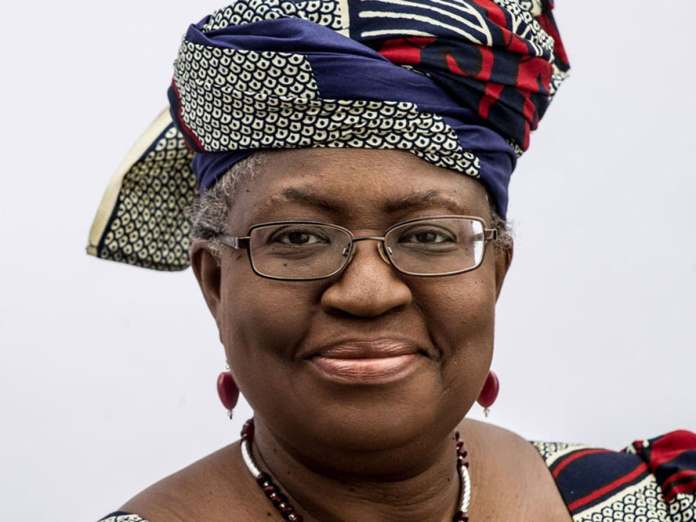
Nigeria must sustain its macroeconomic reform agenda and ensure the gains translate into job creation and improved living standards if it is to capitalize on changes in global trade, the Director-General of the World Trade Organization, Ngozi Okonjo-Iweala, has said.
Speaking at the opening of the 7th Africa Emerging Markets Forum in Abuja on Wednesday, Okonjo-Iweala said countries that strengthen their business environment, maintain macroeconomic stability and attract investment would be better positioned to benefit from the ongoing diversification of global supply chains.
She urged Nigeria to stay the course on broad-based macroeconomic reforms while adopting a prudent approach to fiscal policy and debt management.
She also emphasized the need to prioritize job creation, stressing that Nigerians must begin to see tangible improvements in their living standards as a result of the reforms.
“Nigerians have to feel the impact of reforms,” she said, adding that policy measures should ultimately improve livelihoods and strengthen the country’s competitiveness.
The WTO chief said the global economy is increasingly moving away from overreliance on a few markets toward more diversified trade partnerships, as companies look to spread production across multiple locations in response to disruptions triggered by the COVID-19 pandemic, geopolitical tensions and global supply chain shocks.
Okonjo-Iweala said that despite growing protectionist rhetoric around the world, about 72 per cent of global trade continues to be conducted under WTO rules, highlighting the resilience of the multilateral trading system. She added that countries are increasingly negotiating bilateral and regional trade agreements that go beyond tariff reductions to include broader areas of economic cooperation.
She also urged African countries to capitalize on emerging opportunities in green industries and critical minerals, noting that the continent is home to an estimated 30 per cent of the world’s mineral reserves. Rather than relying on the traditional extract-and-export model, she said African economies should prioritize value-added processing and strengthen their participation in global value chains.
She also called for comprehensive reforms of global institutions, including the WTO, warning that further fragmentation of global trade would undermine economic growth. Instead, she advocated for an open, predictable and rules-based trading system, describing it as a safeguard against domestic economic shocks and a catalyst for export-led growth.
Okonjo-Iweala said developing countries must improve their business environments, invest in physical and digital infrastructure, and maintain macroeconomic stability to attract greater investment inflows.
She added that Africa has a unique opportunity to become a major source of the future global workforce and deepen South-South trade. However, she said realizing that potential would require stronger regional integration, enhanced competitiveness and sustained economic reforms.
Speaking at the forum, the Governor of the Central Bank of Nigeria, Olayemi Cardoso, urged African countries and other emerging economies to play a leading role in shaping the evolving global economic order, rather than simply adapting to it.
Cardoso said the global economy is already undergoing a fundamental transformation, adding that the key challenge for emerging markets is no longer whether to respond to these changes, but whether they can actively influence and help shape the new global order.
Cardoso said Africa’s growing workforce, expanding consumer market and vibrant innovation ecosystem position the continent for sustained long-term growth. However, he stressed that unlocking this potential would require prudent macroeconomic policies, stronger institutions and deeper regional integration.
Speaking on Nigeria’s reform agenda, the CBN governor said the central bank has prioritized greater transparency, policy consistency and stronger institutional accountability to restore investor confidence and reinforce macroeconomic stability.