





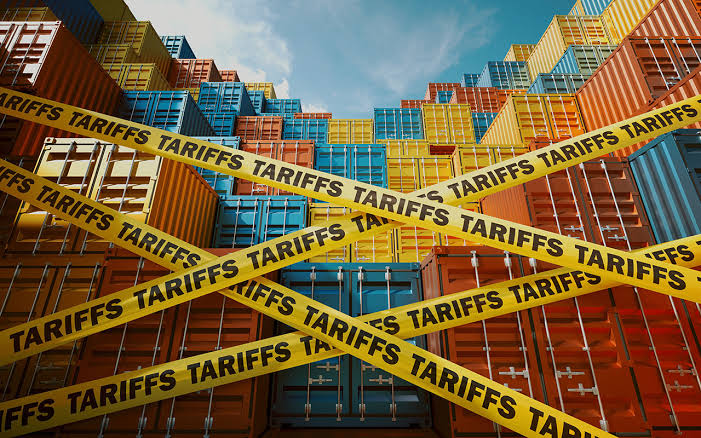
The Sea Empowerment & Research Center has warned that the United States’ decision to impose a 12.5 per cent tariff on Nigerian exports could undermine the country’s non-oil export drive, weaken foreign exchange earnings and further expose the fragility of the nation’s economy if urgent countermeasures are not adopted.
In a policy analysis titled, “The U.S. 12.5 per cent Tariff on Nigerian Exports: Implications for Nigeria’s External Trade and Fragile Economy”, the research centre said the tariff increase, which replaces an earlier temporary 10 per cent regime, would erode the competitiveness of Nigerian goods in the American market.
According to SEREC, although Nigeria was not specifically targeted, its inclusion among countries affected by the higher tariff raises concerns over export performance, industrial growth and long-term trade relations with the United States.
The organisation noted that the United States remains one of Nigeria’s major export destinations, with bilateral trade dominated by crude oil, liquefied natural gas, fertilisers, cocoa products, sesame seeds, solid minerals and a growing range of non-oil manufactured goods.
It added that while crude oil exports may suffer limited impact because of existing exemptions, non-oil exports would bear the brunt of the tariff increase.
SEREC identified agricultural commodities, cocoa and processed cocoa products, sesame seeds, cashew, leather products, manufactured consumer goods, selected mineral exports and processed food products as sectors most vulnerable to the new tariff.
It warned that higher import duties would increase the landing cost of Nigerian products in the U.S., prompting American buyers to source cheaper alternatives from competing countries.
According to the centre, the tariff could trigger a decline in export earnings, intensify pressure on the naira through reduced foreign exchange inflows, lower industrial capacity utilisation and threaten jobs across agricultural value chains, manufacturing, logistics, freight forwarding and port operations.
It also cautioned that government revenue from exports and port-related activities could decline if shipments to the U.S. fall over time.
From the maritime perspective, SEREC said prolonged export reductions could result in lower export cargo throughput, fewer containerised shipments, reduced shipping activities on U.S.-bound routes and weaker earnings for freight forwarders and terminal operators.
To cushion the impact, SEREC urged the Federal Government to engage the U.S. Trade Representative to clarify the reasons for Nigeria’s inclusion, strengthen labour compliance and supply-chain traceability, accelerate export diversification under the African Continental Free Trade Area, expand value-added manufacturing, reduce logistics costs through port and customs reforms, and provide targeted incentives for exporters.