
Starlink has launched its premium Business Priority service in Nigeria’s congested urban areas on February 14, providing businesses and affluent users in Lagos, Abuja, and Port Harcourt an option to bypass prolonged “Sold Out” restrictions.
This access comes at a high cost, with the monthly subscription set at N159,000 ($99.38).
Website checks in key Lagos locations such as Victoria Island, Ikoyi, Lekki, and Surulere continue to display notices that high demand has closed residential orders, leaving only Priority plans available.
Prospective home users are directed to waitlists that provide limited assurances and require upfront deposits without a confirmed activation timeline.
The Priority tier supplies 1TB or 2TB of high-priority data monthly before any potential deprioritization during peak congestion, while overall usage stays unlimited.
Subscribers benefit from enhanced support and a public IPv4 address, which supports office operations involving servers, VPNs, or surveillance systems.
Hardware costs present a significant barrier.
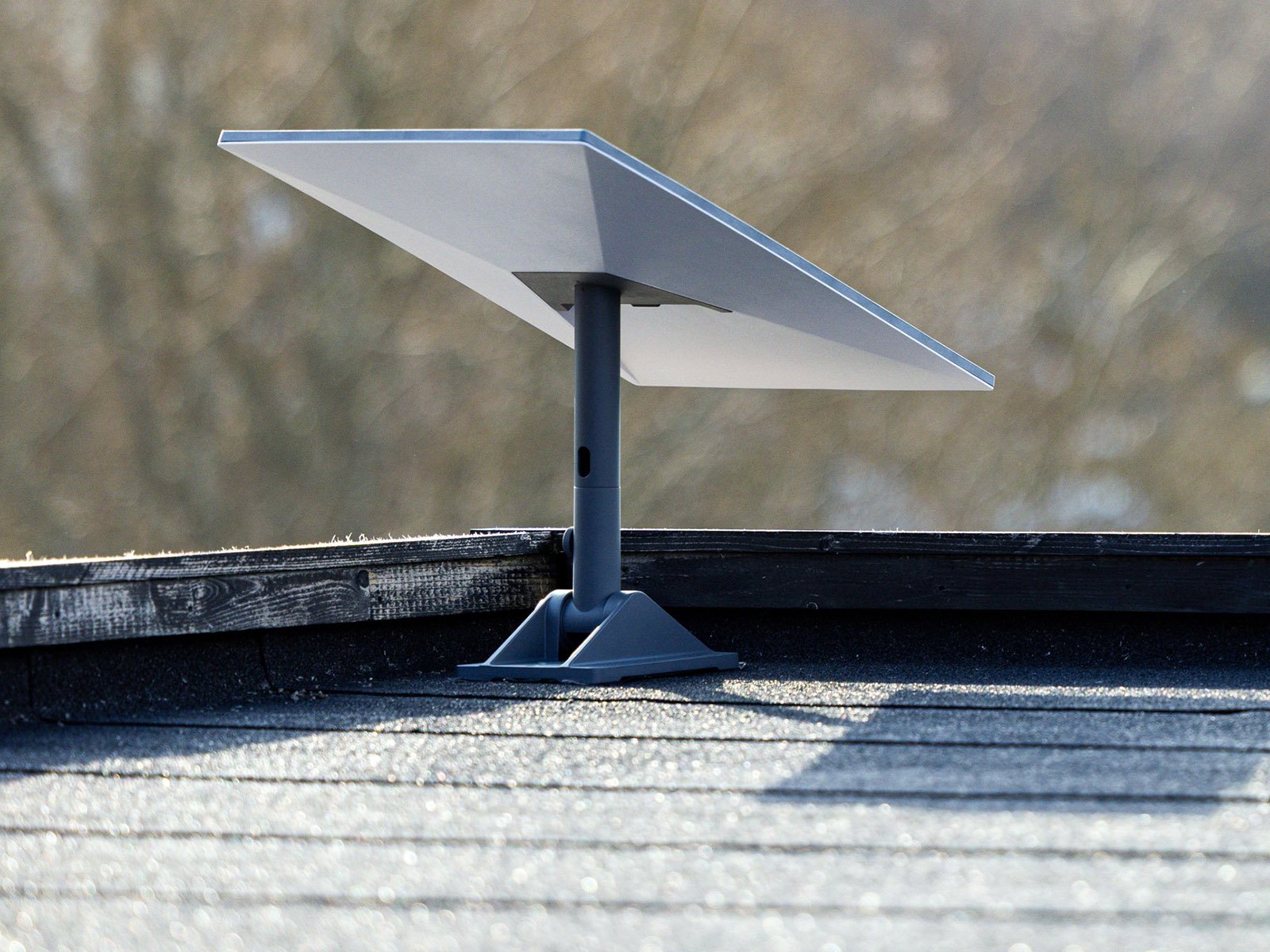
Basic kits are priced around N590,000 ($369), but the company directs business customers to the more robust Flat High Performance dish, ranging from N3.15 million to N4.1 million ($1,969–$2,563) for durability in adverse weather and dense environments.
This development occurs amid intensifying competition.
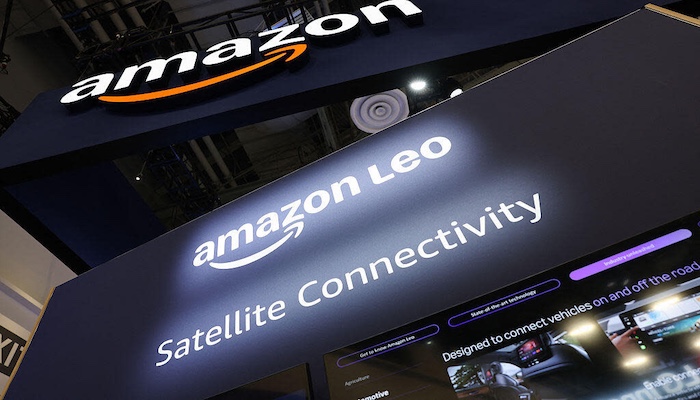
Amazon’s Project Kuiper secured Nigerian operational rights in January 2026, paving the way for potential challenges to Starlink’s dominance in Africa’s largest market.
Maintaining premium income from corporate and high-end remote users allows the company to sustain presence in lucrative urban centers while addressing capacity constraints.
Starlink tailors pricing across African countries, where residential monthly fees generally range from $10 to $50.
In Kenya, a Residential Lite plan begins around $10 for 50GB capped data, with unlimited options typically $28–$38.
Mozambique, Ghana, Rwanda, and Zimbabwe commonly fall in the $28–$34 range for basic unlimited plans.
Nigeria’s residential rate, when available outside overloaded zones, stands at roughly $35–$40 following previous adjustments, making the Priority tier increase notably steep.
The service operates in approximately two dozen African countries.
Pioneering markets include Nigeria (from 2023), Kenya, Mozambique, Rwanda, Malawi, Zambia, Benin, and Eswatini.
Subsequent expansions encompass Ghana, Zimbabwe, Senegal, and Liberia (both early 2026), along with Madagascar, Botswana, Cape Verde, São Tomé and Príncipe, Sierra Leone, Burundi, and others, totaling about 26 nations with approvals, although South Africa remains stalled by ownership regulations.
Nigeria’s capacity issues emerged in late 2024 as subscriptions surged beyond the capabilities of ground infrastructure and spectrum resources.
A pricing dispute with the Nigerian Communications Commission halted new residential orders nationwide for eight months, from November 2024 to June 2025.
Sales resumed at the revised N57,000 residential level, but demand in major cities continued to exceed supply.
Since September 2025, densely populated areas in Lagos and Abuja have remained inaccessible for home sign-ups.
SpaceX continues rapid satellite deployments, with the constellation exceeding 9,700 units by late February 2026, supported by 18 launches this year, including 11 in February and a notable February 21 mission achieving a reusability record.
Persistent limitations from ground gateways, local spectrum agreements, and regulatory processes restrict the bandwidth delivered to users in high-density locations.
For the typical resident in Lagos or Abuja excluded from the Priority option, reliable internet access remains elusive.
Starlink’s strategy preserves revenue from committed customers and counters emerging rivals in the short term, but widespread urban relief hinges on converting satellite growth into effective local capacity.