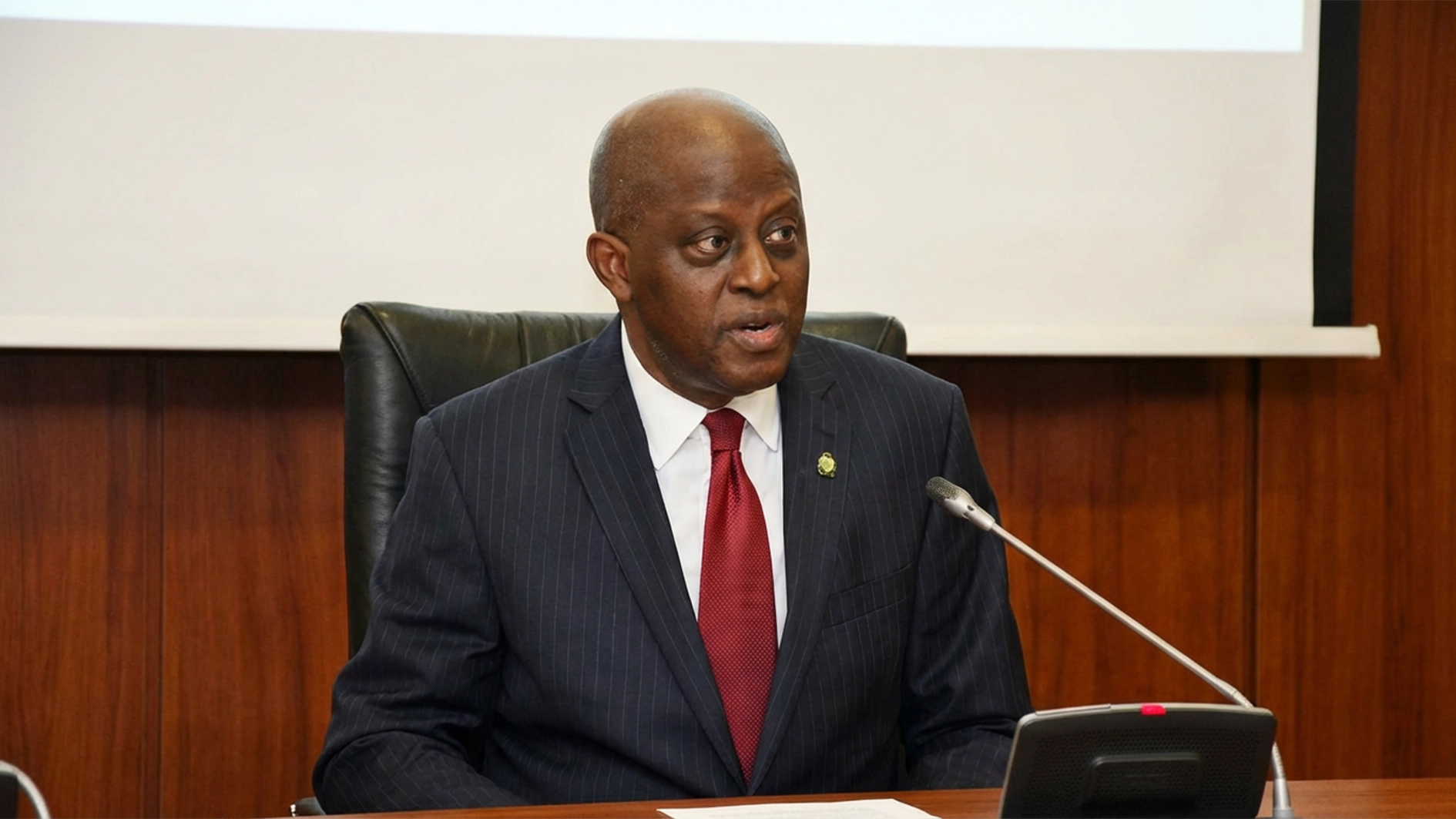
The Minister of Finance and Coordinating Minister of the Economy, Wale Edun, has said the federal government will not reinstate fuel subsidies, even as petrol prices rise due to tensions in the Middle East.
Edun made the statement on Tuesday during a G-24 media briefing held on the sidelines of the International Monetary Fund’s launch of its April 2026 Global Financial Stability Report.
He said the economic reforms introduced in 2023 under President Bola Tinubu, such as the removal of fuel subsidies and the liberalisation of the foreign exchange market, were necessary policy decisions that have received backing from international financial institutions.
He added that while the reforms are starting to deliver positive results, their impact has been tempered by external shocks beyond the government’s control.
“As you know, in the case of Nigeria, that moved very rapidly under the President who came in 2023 to remove subsidies on petroleum products, and to also remove subsidies that were related to the foreign exchange markets.
“And so those gains, which, if we look at them, were moving at pace and have now been negatively affected by an external shock, which had nothing to do with Nigeria or developing countries as a whole.
“And so those gains, which, if we look at them, were moving at pace and have now been negatively affected by an external shock, which had nothing to do with Nigeria or developing countries as a whole.
“Having made so much progress, it is important that we don’t return to generalised subsidies, a sort of relapse into policies that have not proven successful in the past,” Edun said.
Edun warned that reversing the reforms would threaten economic stability, maintaining that focused relief interventions are the most effective and sustainable path forward.
The minister, who currently chairs the Intergovernmental Group of 24, said Nigeria and other oil-producing nations should focus on targeted, temporary support for vulnerable citizens instead of reversing major economic reforms.
Responding to questions about the crisis’ impact on emerging economies, Edun noted that the current situation differs from the COVID-19 pandemic, explaining that the economic transmission effects are not one-directional.