


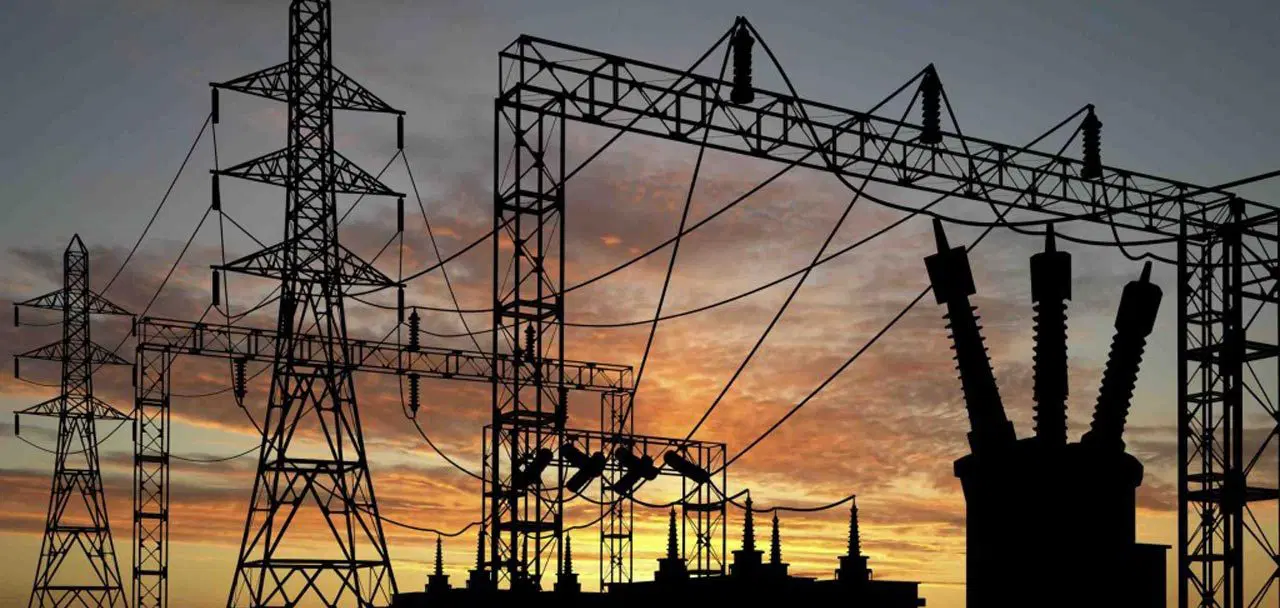

The World Bank Group has pledged $8.2 billion to boost electricity access across Sub-Saharan Africa, intensifying efforts to address one of the region’s most enduring development gaps, with nearly 600 million people still without power.
The funding underpins “Mission 300,” a joint initiative with the African Development Bank Group to connect 300 million people to electricity by 2030. The World Bank plans to deliver 250 million connections, while the African Development Bank is set to provide the remaining 50 million.
The initiative, supported by a mix of public and private sector funding, has already attracted an additional $1.2 billion, with projects progressing in more than 40 countries and over 150 programmes currently underway, according to information published on the lender’s website.
Despite recent gains, electricity access remains a significant barrier to economic growth across the region.
Without reliable power, hospitals face operational challenges, agricultural output is constrained, and businesses grapple with high costs, weakening job creation and slowing industrial development.
The World Bank said the programme aims not only to widen access to electricity but also to spur broader economic transformation by connecting power supply to job creation, digital expansion, and industrial development.
“Electricity is the bedrock of jobs, opportunity, and economic growth,” President of the World Bank Ajay Banga stated. “That’s why Mission 300 is more than a target; it is forging enduring reforms that slash costs, strengthen utilities, and draw in private investment.”
At the heart of the initiative are National Energy Compacts—country-driven reform frameworks designed to attract investment, strengthen utility performance, and align policies with long-term energy objectives.
The programme also aims to deepen private sector involvement through competitive procurement processes, expanded regional power trade, and risk-mitigation mechanisms.
The push comes as development finance institutions step up cooperation to tackle Africa’s energy shortfall, widely regarded as a major obstacle to inclusive growth.
Expanding electricity access is expected to boost small and medium-sized enterprises, agro-processing, manufacturing, and digital services—sectors considered vital for job creation across the continent.
“Reliable, affordable power is the fastest multiplier for small and medium enterprises, agro-processing, digital work, and industrial value-addition,” said African Development Bank Group President Sidi Tah. “Give a young entrepreneur power, and you’ve given them a pay cheque.”
Household access to electricity is projected to raise living standards by enabling safer cooking, improved access to information, and better educational outcomes, while also enhancing healthcare delivery through dependable lighting and refrigeration for medicines.
The World Bank said connection rates under the programme are accelerating, advancing at roughly 1.5 times the pace of previous efforts as investments and reforms start to yield results.
“Mission 300,” the lenders added, is designed to establish the groundwork for long-term energy systems capable of reaching even the most remote communities, while supporting Africa’s shift toward more reliable and sustainable power infrastructure.


