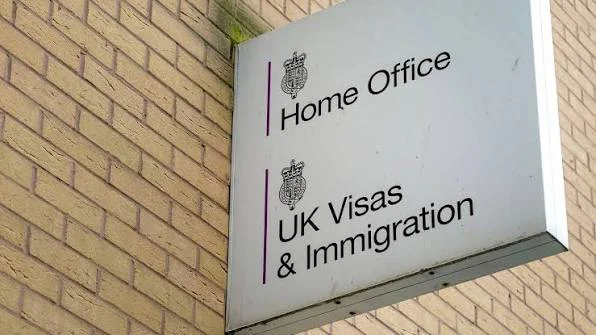


United Kingdom Visas and Immigration has refused visas to about 84 per cent of the Nigerian students it interviewed over their plans to study in British universities in 2026, a new study has shown.
The PIE reported that Nigerians were the only Africans among the top six foreign nationalities denied visas by the UKVI between May and October 2026.
The UKVI report also showed that Nigerians ranked third among the prospective international students who were called to a credibility interview in the six-month period but were still denied visas. Overall, 79 per cent of those interviewed were turned down.
Apart from Nigerians, the other nationalities in the group were students from the Asian countries of Nepal, India, Bangladesh, Sri Lanka and Pakistan.
According to the report, UK case officers considered 9,043 applicants non-credible out of 11,415 interviews conducted between May and October 2026.
“Nepalese students were the most likely cohort to be denied a visa after an interview, with 92% students deemed non-credible by UKVI caseworkers,” the PIE News stated.
“This was followed by India (89% of interviewed students rejected), Nigeria (84% of students rejected) and Bangladesh (79% of students rejected).
“Meanwhile, 79% of Sri Lankan students were rejected after their interview, followed by 73% of Pakistani students.”
The publication, however, stressed that the data did not represent an annual picture, as it covered only six months.
“The briefing document also revealed sharp rises in the likelihood of certain cohorts being called to interview. For example, between 2025 and 2026, the proportion of Nigerian students invited for an interview rose sharply – from 7% to 21%,” it stated.
The UKVI disclosed that a common reason for visa refusal was a lack of research about the student’s chosen institution.
It added that most of the applicants could not clearly explain why they chose to study in the UK, or how their preferred institution and programmes matched their future plans.
“Other reasons included a lack of knowledge about their chosen program or subject, their English language ability and the credibility of their funds,” it added.
Meanwhile, the Head of Work, Study, Family and Ukraine Services at the Home Office, Oliver Rae, recently said the UK government was not using stricter compliance as a way to manage international student numbers.
“There is no cap on the number of students that we want to see coming to the UK, but very much a focus on genuine students,” Rae said.