
The United Kingdom government has introduced a new 24-week target for asylum and immigration appeal decisions.
It seeks to reduce lengthy waiting times and speed up the removal of people found to have no right to remain in the country. The target came into force on August 12.
It applies to new asylum and immigration appeals submitted to the First-tier Tribunal involving non-detained foreign national offenders and individuals receiving asylum support and accommodation.
The government said the current average wait for a case to be decided by a judge is 67 weeks.
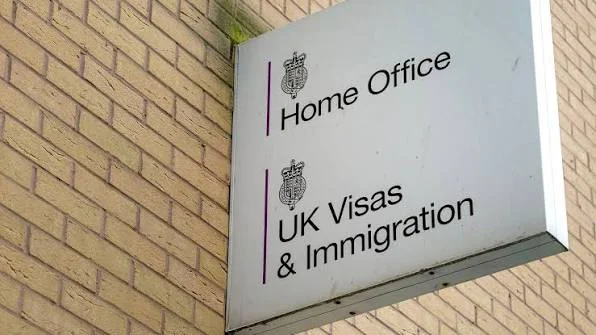
UK Home Office on Friday, in a statement on its website, stated that under the new target, the First-tier Tribunal will be expected to hear the cases within 24 weeks of receiving them.
The government said the measure would allow people who are unsuccessful at appeal and have no right to remain in the UK to be removed faster, while freeing up asylum accommodation and reducing costs.
Minister for Border Security and Asylum, Anna Turley, said the existing system had been held back by lengthy delays.
It read, “For too long, asylum and immigration appeals have been plagued by delays, leaving taxpayers to foot the bill while cases drag on for months and sometimes years.”
“This new 24-week target will see cases resolved faster, reduce reliance on taxpayer-funded accommodation and speed up the removal of those with no right to be in the UK.”
The Home Office said the target applies to “in-scope cases submitted to the First-tier Tribunal from August 12.”
It said more than 150,000 appeals were still waiting to be heard, despite the work of the judiciary.
“Wider reform is therefore needed to ensure that the system can deal with cases more quickly and prevent it from becoming a barrier to removal,” the government said.
The Immigration and Asylum Bill, which passed its second reading earlier this month, is expected to introduce another major change through the creation of an Independent Immigration Appeals Authority (IIAA).
The government said the new body would provide “a simpler, faster route for deciding appeals.”
The IIAA would operate alongside the First-tier Tribunal for several years and gradually take on new cases, allowing the tribunal to work through its existing backlog.
The government said independent adjudicators working for the IIAA would have the power to prioritise cases according to urgency and public interest.
This would include “high-harm FNOs and dubious human rights claims,” according to the government.
The changes come as the government seeks to reduce the cost of supporting asylum seekers while increasing removals.
The government said asylum costs had already fallen by £1 billion since the 2024 general election.
It also reiterated its commitment to ending the use of asylum hotels.
“The government will also close every asylum hotel by the end of this parliament,” it said.
According to the release, fewer than 170 asylum hotels are currently in use, down from a peak of 400 in 2023.
PUNCH had earlier reported that the UK government announced the closure of 13 more hotels used to accommodate asylum seekers, saying the facilities have been returned to local communities for tourism, business and other uses.
The closures, announced by the Home Office on Wednesday, bring the number of asylum hotels closed in April, June and August to 44, with fewer than 160 now remaining in use.
The government said nearly 10,000 FNOs had also been removed from the UK.
It described this as “up 36 per cent compared to the 21 months before the election.”
Appeals involving detained FNOs are already prioritised by the judiciary.
The new timeframe, the government said, would ensure that appeals involving FNOs who are not detained are also expedited.
“Appeals from FNOs who are detained are already prioritised by the judiciary, with the new timeframes ensuring appeals from FNOs who are not held in detention are also expediated,” the government said.
The government is also increasing capacity in the appeals system.
It said sitting days in the First-tier Tribunal Immigration and Asylum Chamber are due to rise by 19 per cent this year compared with 2024 to 2025.
The increase is intended to allow more cases to be heard and decisions to be made faster.
The government said the measures would also contribute to taxpayer savings.
It estimated that faster removals, reduced reliance on asylum accommodation and lower associated costs would contribute to “taxpayer savings of an estimated £6.9 billion.”
The new 24-week target is part of wider government efforts to reduce the asylum appeal backlog and accelerate decisions on cases involving people seeking to remain in the UK.