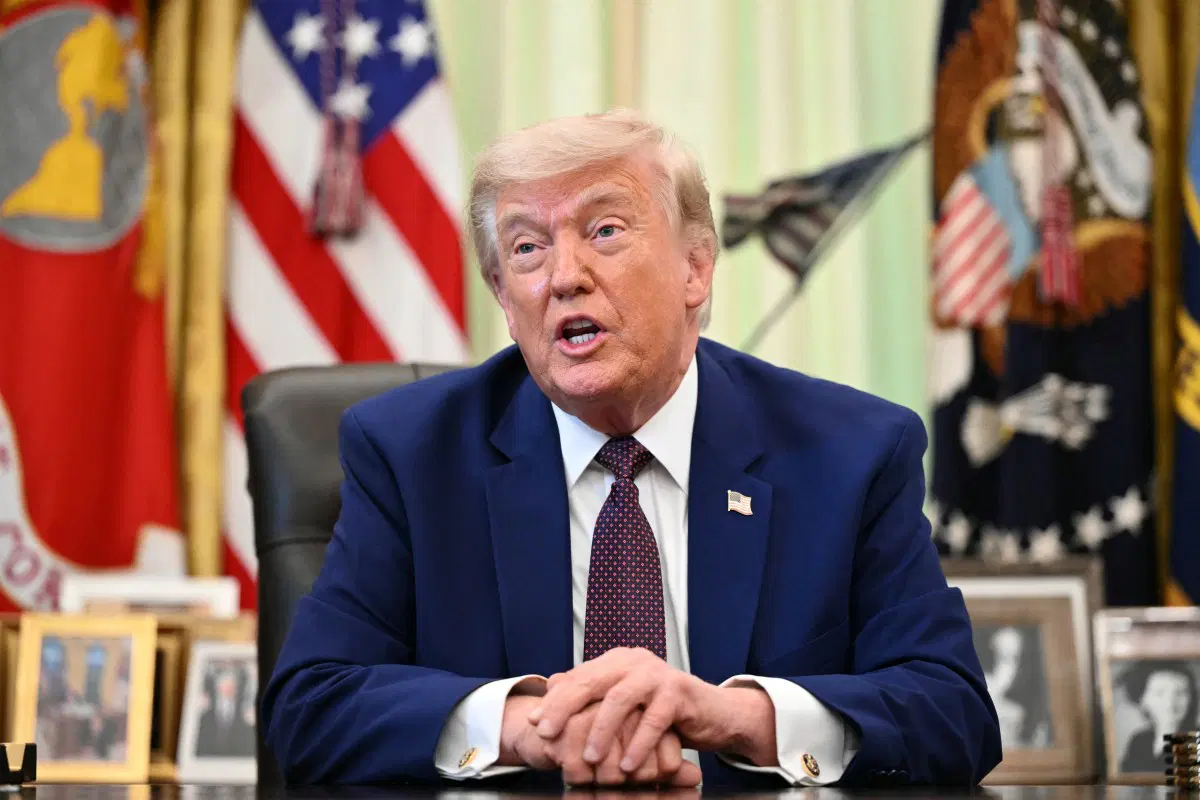

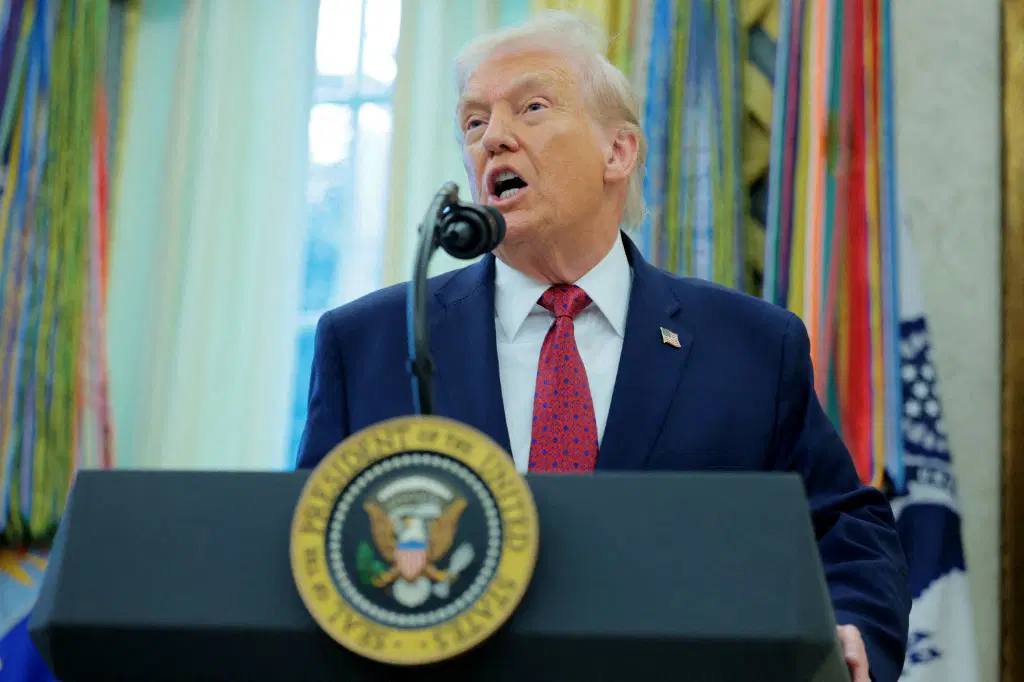
United States President Donald Trump has announced an extension of the ceasefire with Iran beyond its initial two-week timeline, stating that the truce will remain in place until negotiations are concluded and a formal proposal is submitted by the Iranian government.
Trump disclosed this in a post on Truth Social on Tuesday, explaining that the decision followed a request from Pakistan, which has been playing a mediating role in the ongoing talks between Washington and Tehran.
He pointed to internal divisions within Iran’s leadership as a major factor necessitating more time, noting that Pakistan’s leadership had appealed for an extension to allow Tehran present a unified position. “Based on the fact that the Government of Iran is seriously fractured, not unexpectedly so, and upon the request of Field Marshal Asim Munir, and Prime Minister Shehbaz Sharif of Pakistan, we have been asked to hold our attack on Iran until their leaders and representatives can come up with a unified proposal,” Trump stated.
“We will therefore extend the Ceasefire until such time as their proposal is submitted, and discussions are concluded, one way or the other.”
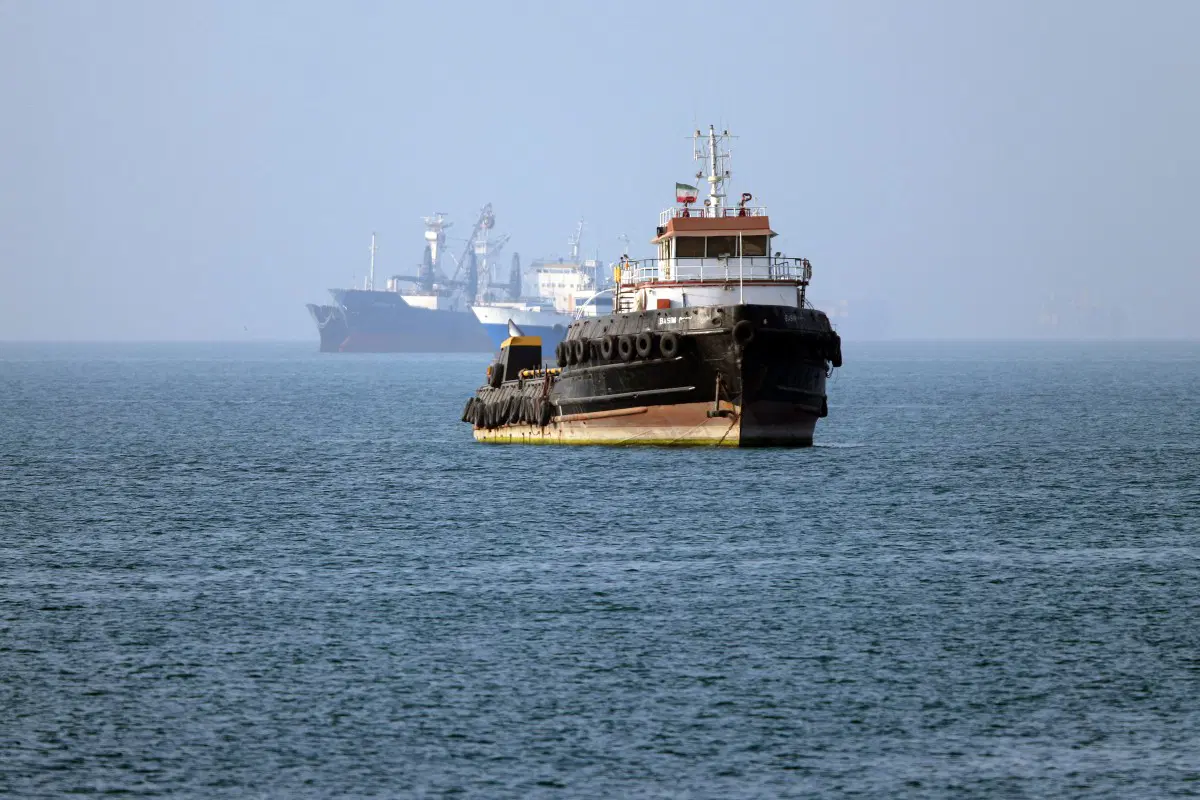
Despite extending the ceasefire, Trump made it clear that US military operations in the Gulf would not be fully relaxed, particularly the naval blockade of the Strait of Hormuz. He emphasised that American forces would maintain their presence to secure the strategic waterway. “I have therefore directed our Military to continue the Blockade and, in all other respects, remain ready and able,” he added.
The ceasefire, originally agreed on April 8, was brokered by Pakistan amid rising tensions in the Middle East. The initial aim of the agreement was to facilitate the reopening of the Strait of Hormuz, a critical global route for oil shipments.
The truce came after intense diplomatic engagements, supported by China, just hours before a US-imposed deadline for escalation. Although earlier negotiations held in Islamabad did not produce a lasting agreement, there remains cautious optimism that continued dialogue could yield progress.
Developments around the ceasefire have also influenced global oil markets, with Brent crude and US West Texas Intermediate recording slight price movements, reflecting cautious optimism over the continuation of diplomatic efforts.
As the original ceasefire deadline approached, Trump met with his national security team to determine the next course of action. Officials within the White House had expressed concern over the lack of clear communication from Iran, which created uncertainty about the effectiveness of the negotiations.
Although the United States had presented a broad framework for a potential deal, Iran’s response remained unclear, raising further concerns within the administration about the pace and direction of the talks.
Ahead of further discussions scheduled for Wednesday, there were indications that divisions within Iran’s leadership could complicate progress, particularly on sensitive issues such as uranium enrichment.
Analysts have continued to monitor developments in the Gulf, especially Iran’s control of the Strait of Hormuz, which is seen as a critical factor in the broader geopolitical conflict. The ongoing Gulf tensions have sparked debate among experts, many of whom believe that while the United States has struggled to secure a decisive outcome, Iran has strengthened its position by maintaining control over the vital maritime route.
As negotiations continue, attention remains focused on Iran’s ability to present a unified proposal and how the United States will respond to the evolving dynamics in the region.