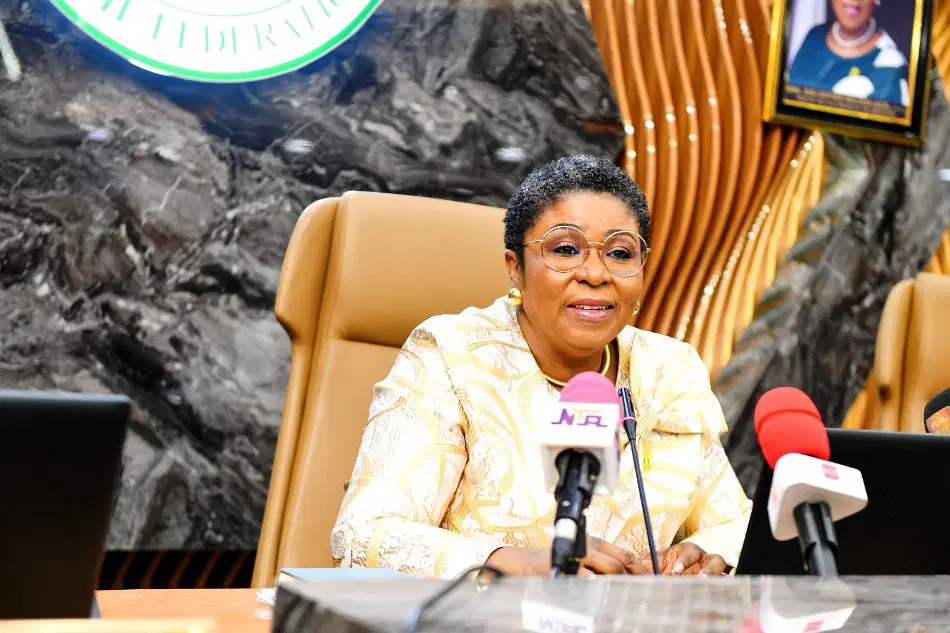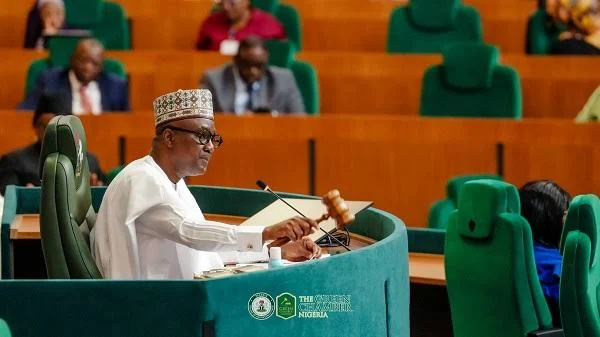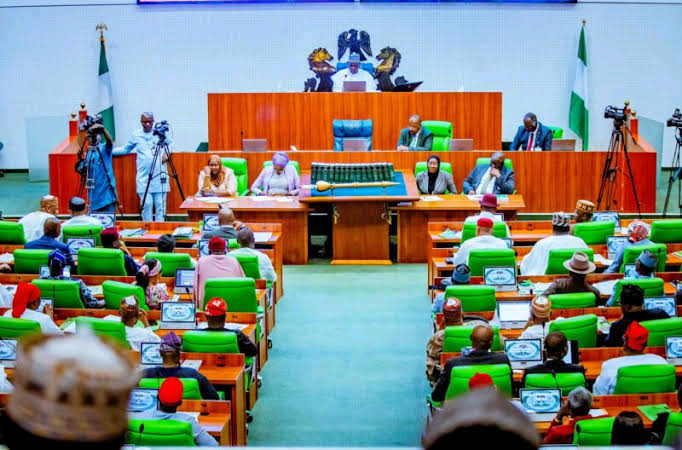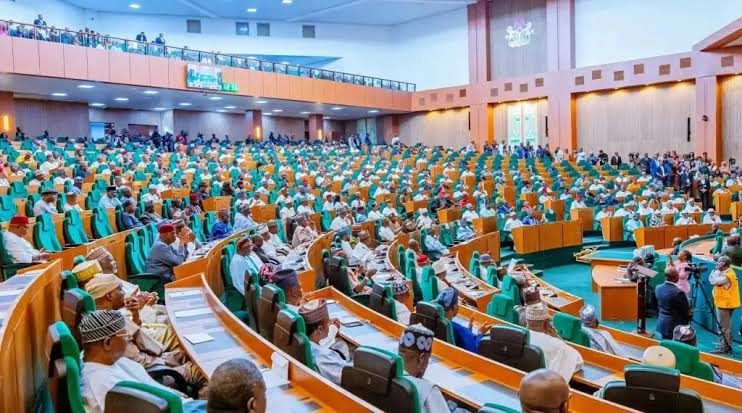
Telecommunications operators in Nigeria have gone to the Federal High Court in Abuja, asking it to stop the House of Representatives from interfering with the regulatory powers of the Nigerian Communications Commission in investigating service quality in the industry.
According to a statement issued on Friday, the operators filed the suit on November 4. They are the Registered Trustees of the Association of Licensed Telecommunications Operators of Nigeria, MTN Nigeria Communications Plc, Airtel Networks Limited, Globacom Limited and Emerging Markets Telecommunication Services Limited, operators of 9mobile.
The suit, marked FHC/ABJ/CS/2713/2026, names the House of Representatives, the Speaker, the Clerk of the House and the Inspector-General of Police as defendants.
The legal action challenges summonses issued on October 29 by the House’s ad hoc committee on quality of service. The summonses directed the chief executives of the telecommunications companies to appear before it and produce relevant documents.
The operators want the court to determine whether the House has the constitutional authority to investigate matters relating to telecommunications service quality. They argue that such matters fall within the statutory regulatory responsibilities of the NCC.
They contend that Sections 88 and 89 of the 1999 Constitution limit the investigative powers of the National Assembly to specific purposes. These include assisting in making laws, exposing corruption, inefficiency or waste in the execution of laws, and examining the administration of public funds appropriated by the legislature.
According to the plaintiffs, “the telecommunications companies are private operators and do not fall within the constitutional provisions governing the execution or administration of laws or the management of public funds.
“They also rely on Sections 4, 70 and 105 of the Nigerian Communications Act, 2003, as well as the Nigerian Communications (Quality of Service) Regulations, 2024, which vest the NCC with responsibility for setting, monitoring and enforcing service quality standards in the telecommunications industry.”
The operators argue that allowing the House to go ahead with the investigation could amount to interference with the commission’s statutory regulatory functions.
They further contend that the proposed investigation could interfere with two pending court cases relating to telecommunications service quality.
The cases are HCS/261/2025, instituted by Fatokunboh Fagun and another on behalf of themselves and MTN subscribers, and FHC/ABJ/CS/1886/2026, filed by Kaatruths Podcast Limited.
Among the reliefs sought, the plaintiffs are asking the court to nullify the summonses issued by the House committee and to restrain the lawmakers and other defendants from enforcing them.
They also want an order stopping the House from using arrest warrants or other enforcement measures to compel the companies’ chief executives to appear or produce documents.
In addition, the operators are seeking an injunction restraining the House from investigating telecommunications service quality where such investigations fall outside the purposes permitted under Section 88(2) of the Constitution or interfere with the NCC’s statutory regulatory responsibilities.
The suit raises wider questions about the limits of legislative investigative powers and the extent of the NCC’s authority over telecommunications regulation in Nigeria.
The court is expected to determine whether the House’s proposed investigation falls within its constitutionally defined powers.
The House of Representatives had given MTN Nigeria, Airtel, Globacom, Mafab Communications and other telecommunications operators seven days to explain the persistent poor quality of network services across the country. It warned that their chief executives could face arrest summons if they fail to appear.