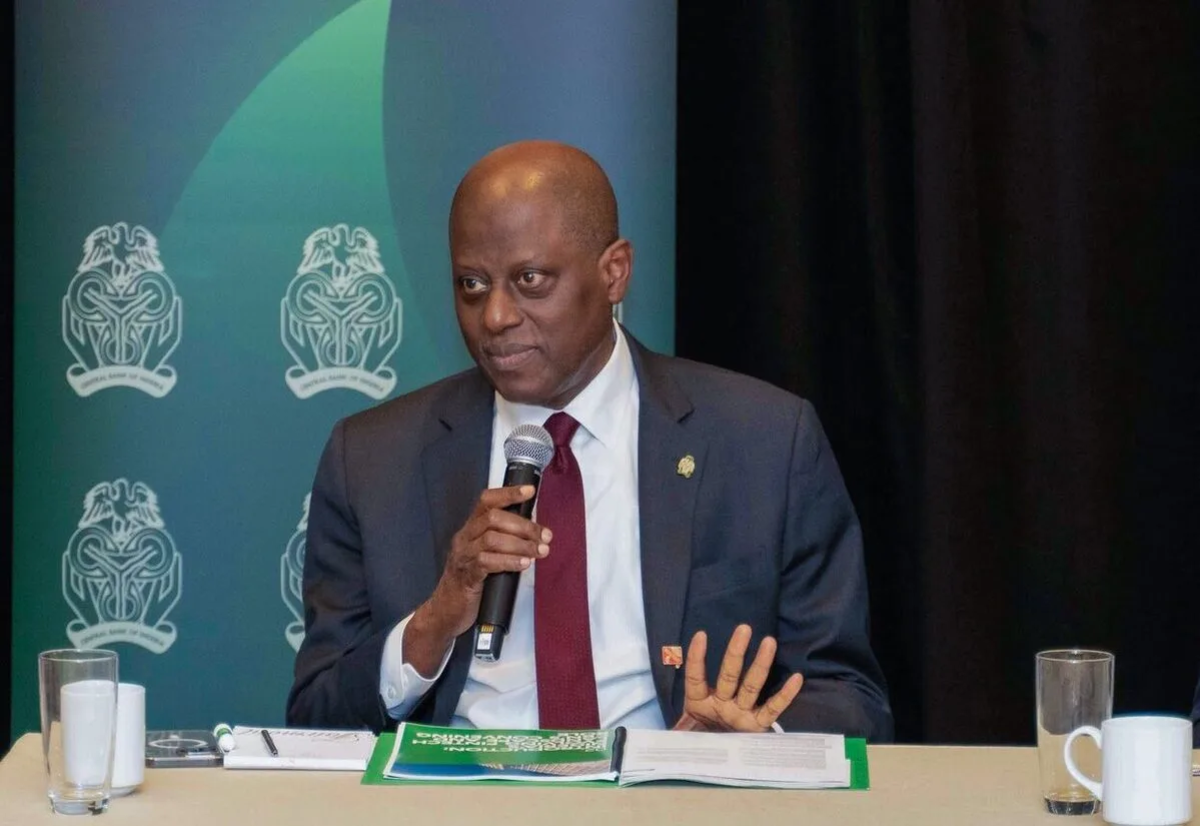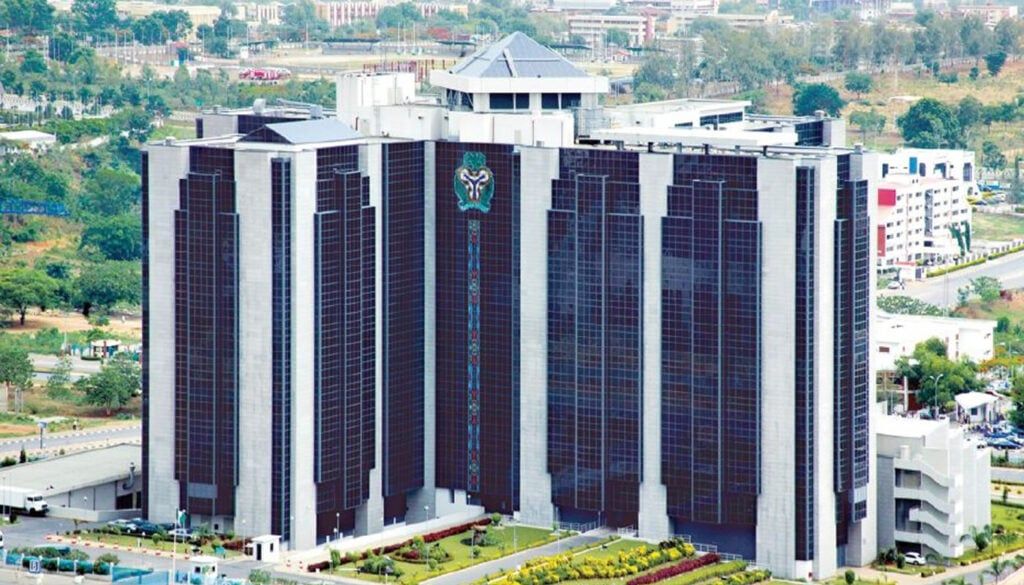


The Central Bank of Nigeria and the Nigerian Communications Commission have raised the alarm over the growing threat of artificial intelligence-powered cyberattacks.
They warned that criminals are using sophisticated technology to defraud individuals, businesses and financial institutions.
They spoke at the 2026 Annual Cybersecurity Conference of the Information Security Society of Africa-Nigeria (ISSAN) in Lagos. The theme of the event was “Cybersecurity: Balancing Risk, Resilience and Responsibility in the AI Era.”
The CBN’s Director of the Risk Management Department and Chief Risk Officer, Dr Blaise Ijebor, said AI was lowering the barriers to cybercrime. He explained that it lets criminals carry out sophisticated attacks with greater speed, scale and autonomy.
Ijebor said: “AI may be the greatest productivity tool ever given to cybercriminals,” he said.
He explained that the technology could generate convincing phishing emails, clone voices, create synthetic faces and coordinate multiple stages of a cyberattack.
Citing an investigation by AI company Anthropic, he said AI was estimated to have carried out between 80 and 90 per cent of a reported cyber-espionage attack that targeted about 30 organisations.
To counter the threat, Ijebor urged financial institutions to strengthen identity verification and ensure that urgency does not override authentication. He also urged them to test their backup systems and crisis response plans, and to set clear accountability for AI deployment.
He said: “AI is not the enemy of cybersecurity. Poorly governed AI is,” he said.
He advocated the use of AI to detect suspicious transactions, monitor abnormal behaviour and speed up incident response.
Representing the Executive Vice Chairman and Chief Executive Officer of the NCC, Dr Aminu Maida, the Director of the Lagos Zonal Office, Mr Tunji Jimoh, spoke on the risks in the telecommunications sector. He said vulnerabilities in telecommunications infrastructure could threaten financial services, healthcare, energy and other critical sectors.
Jimoh disclosed that the commission introduced a Cyber Resilience Framework for the telecommunications sector in February 2026. Supplementary implementation guidance followed in August, and the commission is targeting full industry compliance within 12 months.
He urged operators to adopt zero-trust security principles, continuous threat monitoring, incident reporting and stronger cybersecurity governance. He said this should extend to third-party technology providers.
The President of the Chartered Institute of Bankers of Nigeria (CIBN), Dr Dele Alabi, called on bank boards to invest in cyber resilience. He also called on management teams to build cyber risks into enterprise-wide decisions, and on employees to strictly observe security protocols.
Alabi also advocated stronger partnerships and intelligence sharing among industry stakeholders.
The President of ISSAN, Dr David Isiavwe, urged organisations to improve incident reporting and share indicators of compromise. He warned that Nigeria might be capturing fewer than half of actual cyber incidents.
He said collective responsibility, professional competence and collaboration were essential to protecting trust in the digital economy.