
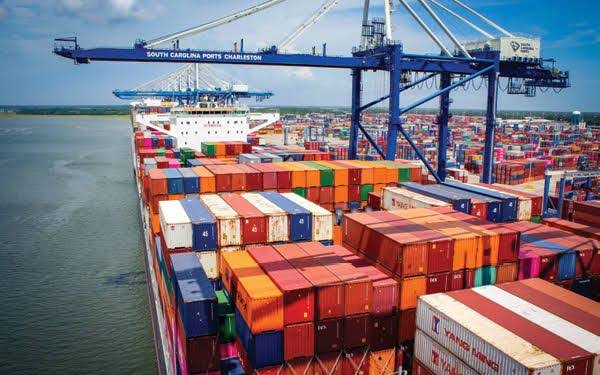
Indigenous shipowners have called on the Dangote Group and other major cargo owners to commit part of their cargo volumes to Nigerian operators through long-term contracts, to help build a local shipping fleet.
The shipowners said predictable cargo volumes and long-term employment contracts were critical to helping indigenous operators secure financing to buy vessels and expand their fleets.
The call was made by Capt. Ladi Olubowale, a former Nigeria Chapter President of the African Shipowners Association and Group Managing Director of Seamate Maritime Integrated Services Limited. He spoke at a Public-Private Dialogue with CEOs organised by the Nigerian Chamber of Shipping in Lagos.
The dialogue was themed ‘Unlocking efficiency in the marine and blue economy value chain’. Industry stakeholders attended, including the Group Vice President of Dangote Group (Oil and Gas), Mr Edwin Devakumar, who took part as the guest CEO.
Olubowale said Nigeria’s maritime strategy should move beyond talk of vessel ownership and focus on commercial arrangements that would make buying ships financially viable for local operators.
“Give credible Nigerian shipowners long-term Contracts of Affreightment, and those contracts become the commercial foundation upon which vessels can be financed, acquired and deployed,” he said.
He explained that shipping demands substantial capital, and that local shipowners would struggle to acquire large vessels without assured cargo volumes and contracts that guarantee revenue over a long period.
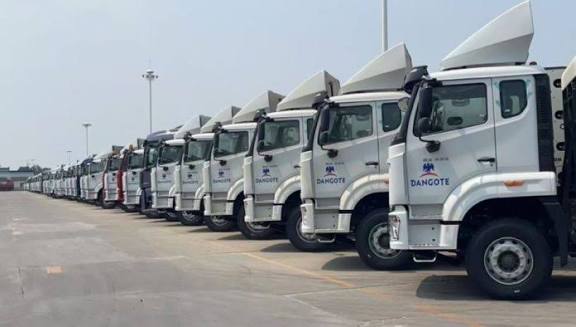
He said Dangote is strategically placed to support the growth of Nigeria’s indigenous shipping capacity, given the substantial maritime cargo generated by its refinery, cement and fertiliser businesses.
According to him, allocating part of the group’s cargo requirements to qualified Nigerian shipowners through multi-year Contracts of Affreightment would give operators the predictable income needed to approach commercial banks, development finance institutions, export credit agencies and international financiers.
Olubowale also raised concern over the large presence of foreign-controlled vessels carrying Nigerian crude from terminals including Forcados, Bonny and Escravos. He noted that foreign operators were taking a significant share of the freight earnings from the country’s cargo.
He said Nigeria needed to ensure that transporting its cargo contributes more directly to domestic assets, employment and technical expertise.
“There is no structural reason why Nigerian companies should not ultimately own and operate Suezmax tankers and other large commercial vessels. But fleet development must be connected to cargo, finance, technical capability and long-term employment,” he said.
Olubowale proposed a four-pillar approach built around Cargo, Contract, Finance and Vessel.
Under the model, cargo owners would provide assured volumes, long-term contracts would make the business bankable, financiers would support vessel acquisition, and indigenous operators would supply the vessels and maritime services.
He said the approach would complement existing government initiatives, including the Cabotage Vessel Financing Fund, rather than replace them.
The maritime executive said government should focus on creating an enabling regulatory and business environment, while private-sector players drive investment and commercial activity in the industry.
“Nigeria’s ambition to build a globally competitive marine and blue economy will require deeper collaboration between cargo owners, indigenous shipowners, banks, investors, ports regulators and government,” he said.
He added that the expansion of intra-African trade under the African Continental Free Trade Area would raise the importance of maritime transportation. This, he said, makes it necessary for Nigeria to use its large cargo base to develop a sustainable indigenous shipping industry.
“The maritime industry must ultimately be driven by the private sector. If we connect Nigerian cargo to Nigerian maritime capacity, we will not merely acquire ships — we will build a sustainable shipping industry,” he said.