



Saudi Arabia’s crude oil exports have surged this month despite a sharp escalation in fighting involving Iran-backed militants, according to data from trade intelligence firm Kpler.
Riyadh is exporting about 6 million barrels per day (bpd) in September, the highest level since the war with Iran began about seven months ago.
The figure also puts the kingdom’s crude shipments back around their 2025 monthly average.
Saudi Arabia has increased exports despite shutting its critical East-West oil pipeline this month after it was damaged in a drone attack launched from Iraq. Crude shipments in September are up nearly 80 per cent from the 3.4 million bpd exported in August.
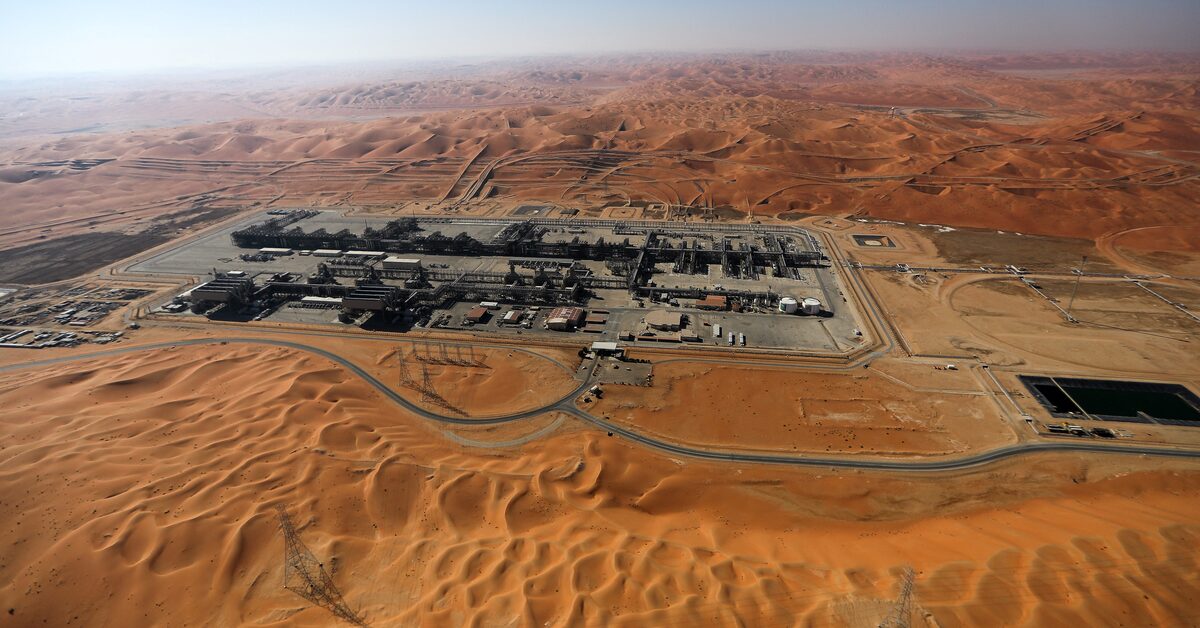
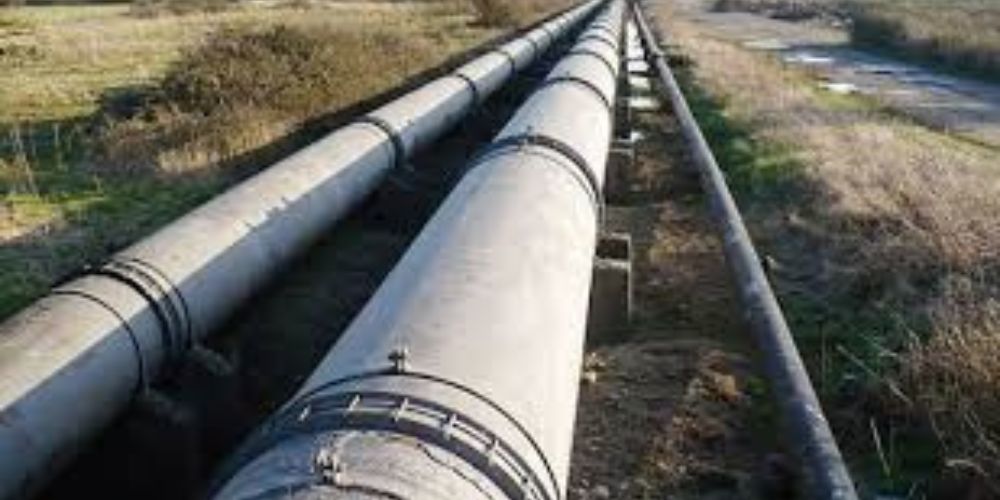
The pipeline has served as a crucial relief valve for the oil market during the Iran war, allowing Saudi Arabia to bypass the Strait of Hormuz as Iran attacked tankers travelling through the waterway.
Riyadh had been routing crude from its oil-producing regions in the east through the pipeline to the Red Sea terminal at Yanbu.
Brent crude surged to nearly $110 per barrel after the pipeline was shut, but prices have since eased as investor confidence grows that the disruption will be less severe than initially feared.
Saudi Arabia has now redirected crude exports through the Strait of Hormuz, following the establishment of a shipping lane along Oman’s coast by the US military.
Other Gulf states have relied on the route for months, although the passage remains risky as Iran continues to attack tankers travelling through the strait.
“The ramp-up from the Mideast Gulf is a consequence of the pipeline outage, but it likely also signals a greater confidence in using the Strait of Hormuz given rising traffic,” said Matt Smith, director of commodity research at Kpler.