





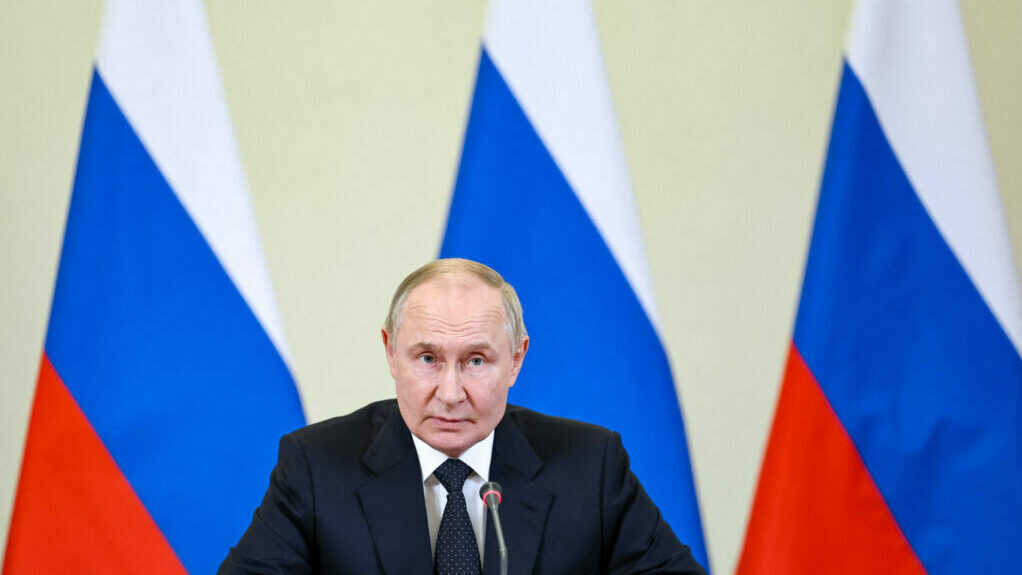
Russian President Vladimir Putin has signed a controversial new law that punishes citizens for searching online content deemed “extremist” by authorities—a move rights groups say further curtails digital freedoms and free expression in the country.
The law, signed on Thursday, imposes fines of up to 5,000 rubles (approximately \$64) on individuals found deliberately accessing such material. The ban covers a wide range of content — from websites and blog posts to books, music albums, and artworks.
Critics have condemned the legislation as a dangerous step toward state censorship. Russia’s “extremist materials” list now includes more than 5,000 items, among them pro-Ukraine songs, political blogs, and works by dissident artists such as the feminist punk group Pussy Riot.
Despite resistance from two political parties, the bill passed earlier this month in the State Duma, Russia’s lower house of parliament.
Prominent opposition figure Boris Nadezhdin, who led public demonstrations against the law, likened it to George Orwell’s 1984. “This law punishes thought crimes,” he told AFP.
The new law also broadens restrictions beyond content searches. It bans advertising virtual private networks, a tool widely used by Russians to bypass censorship. It further criminalizes the informal exchange of SIM cards, a common workaround for maintaining digital anonymity.
Since launching its full-scale invasion of Ukraine in 2022, the Kremlin has intensified efforts to control information online, blocking platforms like Facebook and Instagram, and prosecuting individuals for anti-war content.
Human rights advocates warn the latest law could lead to self-censorship, surveillance abuses, and further erosion of civil liberties in Russia’s already shrinking online space.