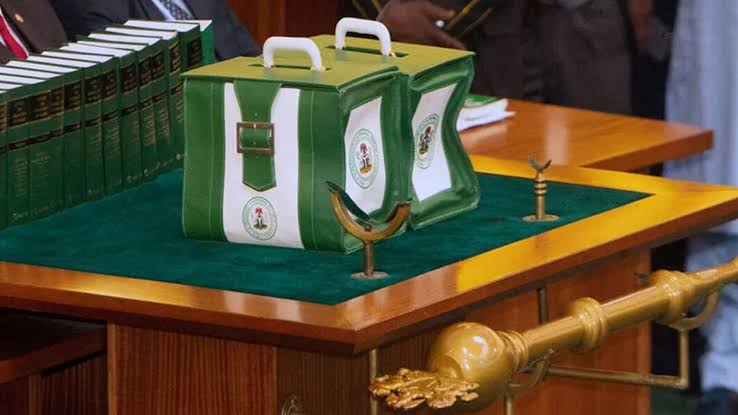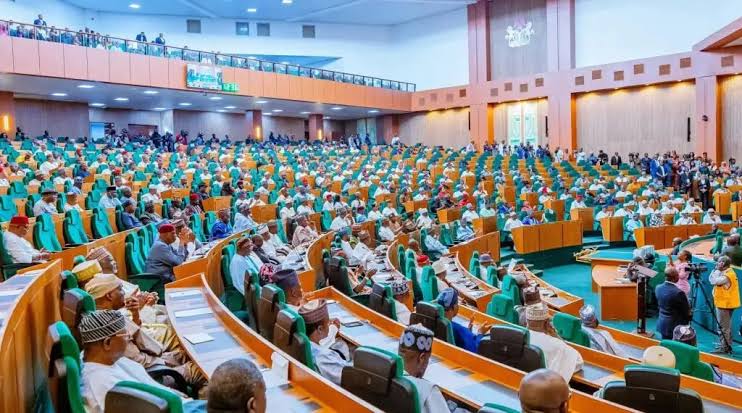

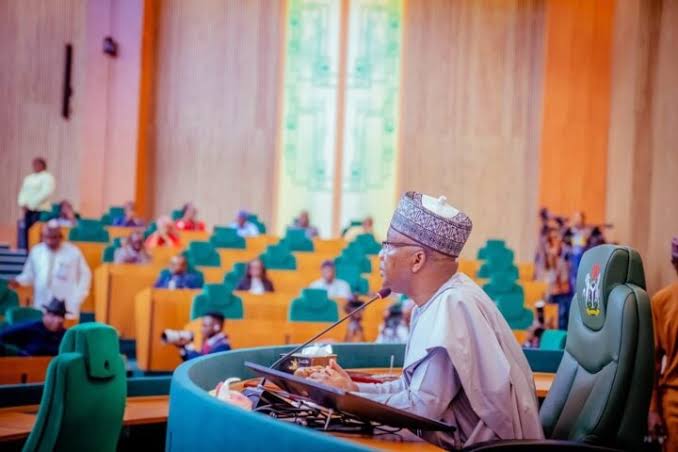
The House of Representatives on Monday approved a three-month extension for the capital component of the 2025 Appropriation Act, moving the implementation deadline from June 30 to September 30, 2026.
The PUNCH reported that the adjustment is intended to give the Federal Government additional time to complete ongoing capital projects funded under the current budget.
The decision was reached after lawmakers passed, in one sitting, a bill titled: “A Bill for an Act to Amend the Appropriation (Repeal and Enactment) Act, 2025 to extend the implementation of the capital aspect of the Appropriation Act, 2025 from 30 June 2026 to 30 September 2026 and for Related Matters.”
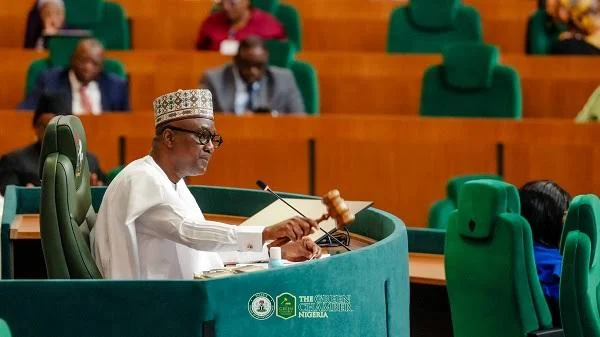
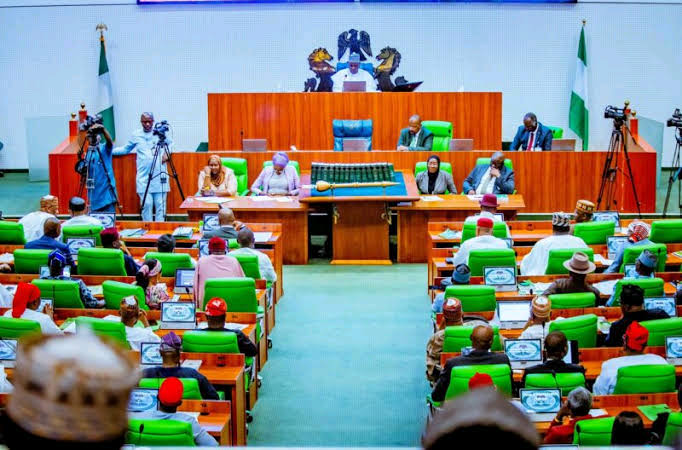
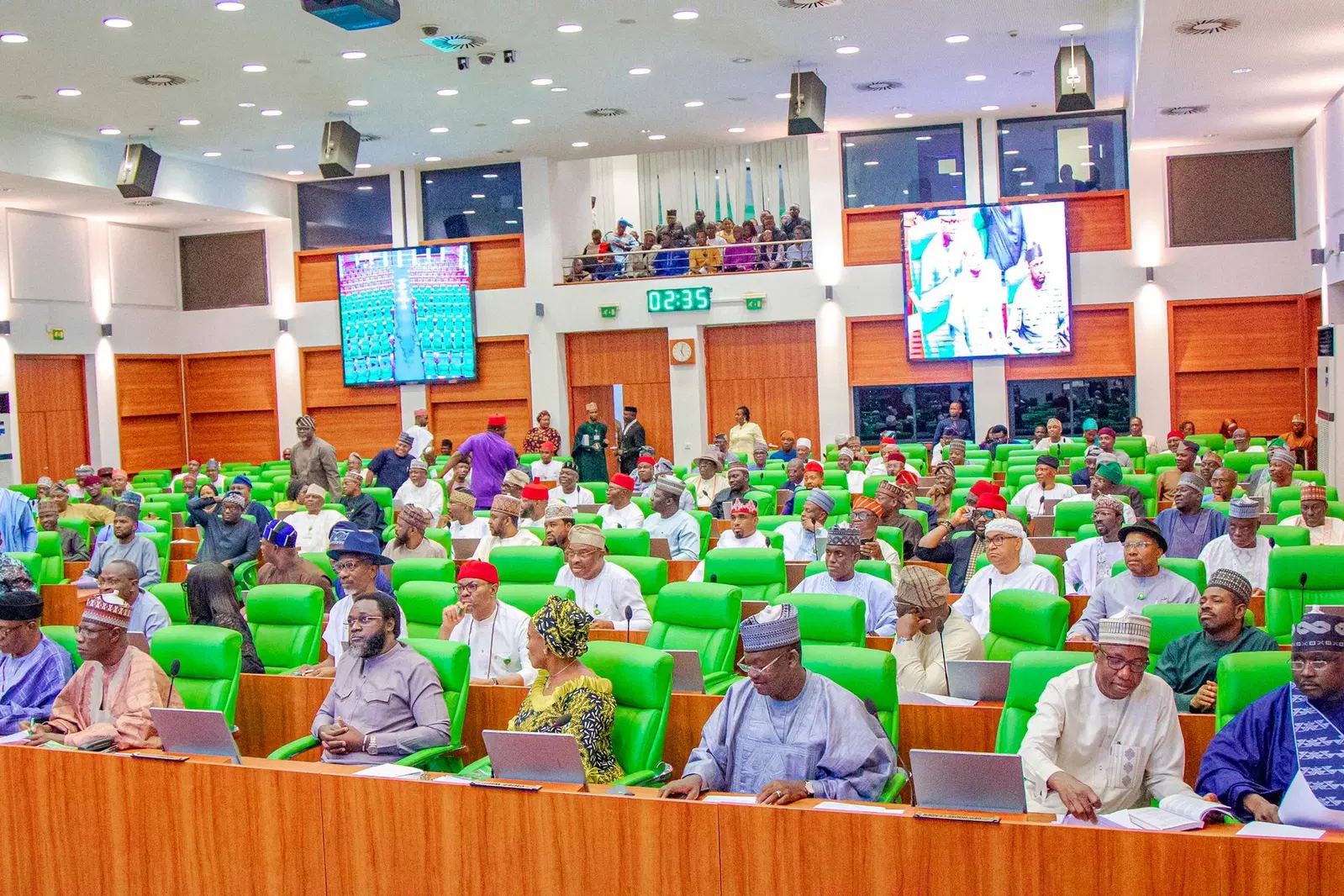
At an emergency plenary presided over by Speaker Tajudeen Abbas, the proposal went through first, second, and third readings on the same day after members suspended relevant provisions of the House Standing Orders to expedite its passage.
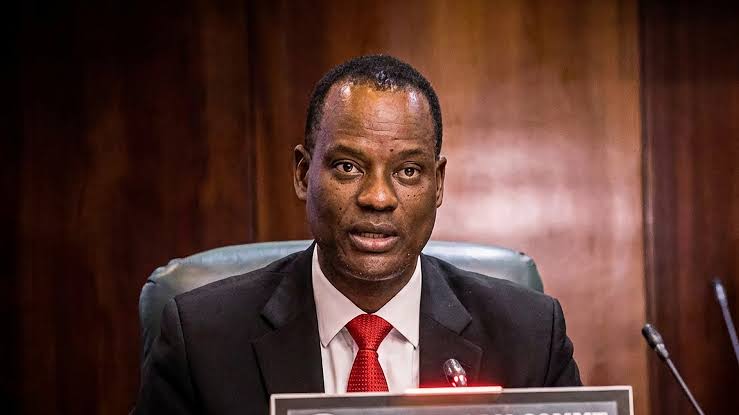
Leading the debate, House Leader Julius Ihonvbere explained that the extension had become necessary due to the fact that several capital projects in the 2025 budget were still ongoing and could not be completed within the earlier timeline.
“It is very straightforward. Because some aspects of the capital appropriation will not be fully implemented, if we do not extend the life of this particular law, it will have a very grave impact on the growth and development of the national economy,” Ihonvbere told lawmakers.
He further clarified that the amendment did not alter any provision of the Appropriation Act itself but only extended its operational lifespan.
“The purpose essentially is to extend the lifespan. We are not touching any part of the law. It is simply extending the lifespan from June 30, 2026, to September 30, 2026. I urge my colleagues to approve this so that we can continue with the work of developing and growing our economy and country,” he said.
Speaker Abbas also noted that available records indicated that implementation of the capital budget was still ongoing and required more time for full execution.
“As you are aware, the 2025 budget was extended to June 30. From the records we received from the Chairman, Appropriations, and other relevant quarters, it has yet to be fully implemented.
“It is therefore in the best interest of this country and the National Assembly for us to extend the budget to September 30 to enable the Federal Government to fulfil its obligations under the 2025 budget,” the Speaker said.
After second reading, the House resolved into the Committee of Supply, where lawmakers examined the bill clause by clause, including its explanatory memorandum and long title, before it was reported back to plenary and adopted.
The House thereafter suspended its rules again to allow the bill scale through third reading on the same day.
With the extension approved, Ministries, Departments, and Agencies now have an additional three months to execute capital projects and fully utilise funds provided under the 2025 fiscal plan.
The development underscores recurring challenges in Nigeria’s budget implementation process, particularly delays linked to procurement bottlenecks, funding constraints, and slow project execution.
Capital expenditure remains central to infrastructure development, economic expansion, and job creation efforts across the country.
In a related development, the House also announced new leadership appointments across several standing committees following recent changes in the minority caucus leadership.
Ali Madaki was named Chairman of the House Committee on Special Duties, while Ali Isa was appointed Chairman of the Committee on Shipping Services.
Similarly, Pascal Agbodike now chairs the Committee on the Small and Medium Enterprises Development Agency of Nigeria, while Kelechi Nwogu was appointed Chairman of the Committee on Hydrological Services.
Speaker Abbas charged the newly appointed committee chairpersons to immediately assume their duties and apply their experience to strengthen legislative oversight and improve committee effectiveness across sectors.
The appointments form part of ongoing efforts by the House leadership to reinforce committee structures and enhance legislative performance nationwide.