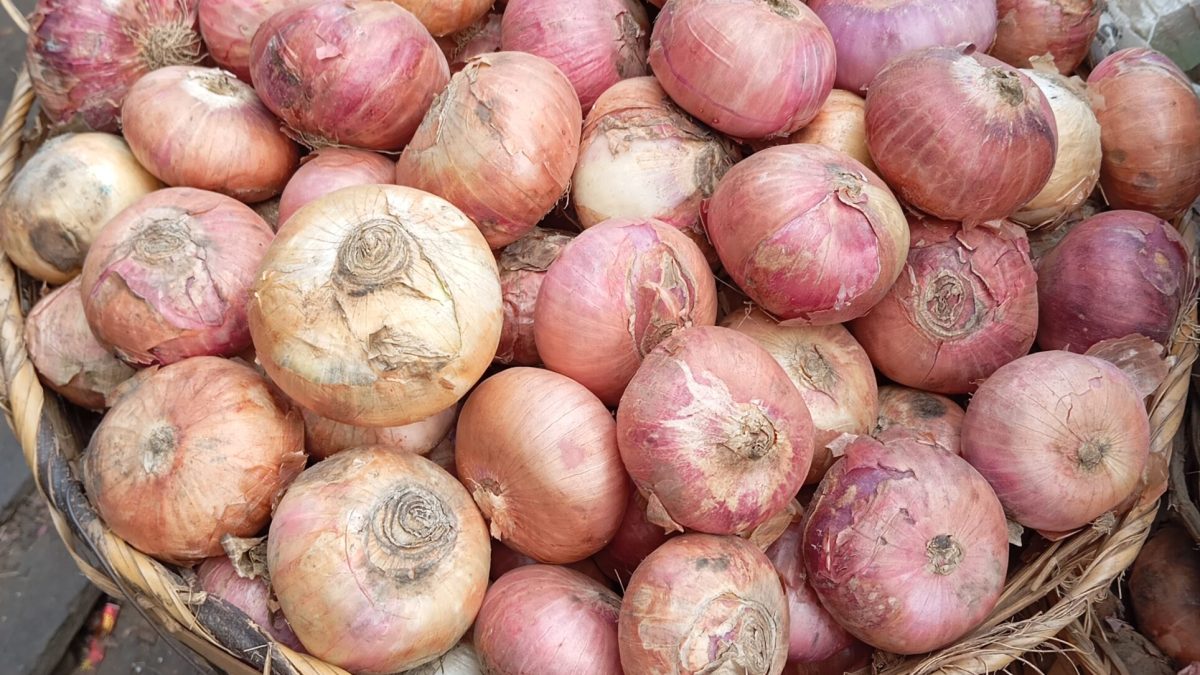
A 120kg bag of onions now sells for about ₦300,000 in October, up from ₦30,000 in April 2026. That is a 900 per cent increase within six months.
The National Onion Producers, Processors and Marketers Association of Nigeria traced the sharp rise to inadequate storage facilities and fire outbreaks in warehouses across the North. These led to post-harvest losses of more than 51 per cent over the period.
Vanguard reported that, as of last week, a big sack of fresh onions sold for ₦300,000 at Mile 12 Lagos International Market. The dried variety went for between ₦350,000 and ₦380,000.
NOPPMAN’s National President, Aliyu Isah, explained that the price surge did not stem mainly from low national output. He said it came from the loss of a large portion of harvested onions before the next production season.
“It’s not that we did not produce enough for the country, but we lost more than 51% from April to October,” he said.
Isah attributed the losses to poor storage facilities, fires that destroyed onions kept in local storage centres, and disruption caused by unsuitable seeds imported into Nigeria during the 2024–2025 growing season.
He said the seed, reportedly sourced from Algeria, did not suit Nigeria’s farming system and inflicted heavy losses on farmers’ investments.
By his account, the seed crisis alone cost the sector nearly ₦100bn. He said government intervention is needed to stop the situation from worsening into a supply shortage.
He stressed that government must step in whenever a crisis hits an agricultural subsector. He cautioned that failure to tackle the underlying problems could deepen losses in later seasons.
Isah disclosed that the Ministry of Agriculture had held talks with the Bank of Agriculture and the Nigerian Agricultural Development Fund on support for the onion subsector. The discussions covered seed supply and farm inputs.
He added that, as of the time of the interview, the association had not received the proposed intervention, although discussions were continuing.
According to him, the support should help farmers rebuild production and avert a repeat of the crisis.
Looking ahead, Isah expects supplies from Sokoto to begin around November and December. Aliero in Kebbi State should follow from late December to January, with the main harvest season expected around March and April.
He voiced hope that the incoming harvest would ease prices. He maintained, however, that better storage facilities and timely government support were needed to reduce losses and prevent future shortages.