



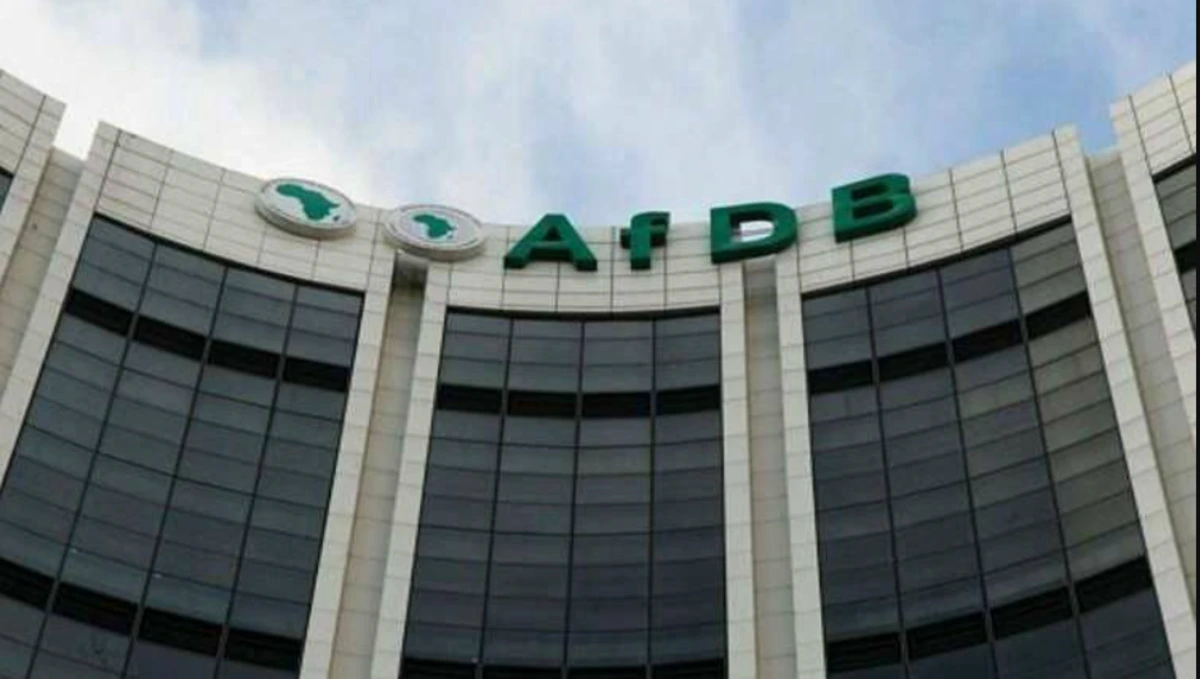
The African Development Bank has provided Ghana with an $18.8 million grant to strengthen its rice value chain and support the government’s target of achieving self-sufficiency by 2028.
The grant is being implemented under the Regional West Africa Resilient Rice Value Chains project, according to the Ghana News Agency on October 8, 2026.
The initiative will support rice cultivation, seed production, processing and market access as Ghana seeks to reduce its dependence on rice imports, which are estimated to cost $500 million annually.
Ghana’s Minister of Food and Agriculture, Eric Opoku, said the project would improve productivity, strengthen the rice value chain and enhance the competitiveness of locally produced rice.
“The African Development Bank has provided $18.8 million grant to Ghana to support the development of the rice value chain and help the country achieve rice self-sufficiency by 2028,” the statement said.
The project will develop 3,200 hectares for rice cultivation and raise yields from 3.5 tonnes to 4.5 tonnes per hectare. More than 20,000 smallholder farmers across selected districts are expected to benefit.
It will also support seed centres, 10 rice-processing centres, farm machinery and hermetic storage facilities to improve processing and reduce post-harvest losses.
Ghana’s milled rice production rose from about 650,000 tonnes in 2024 to 960,000 tonnes in 2025, but domestic output met only 56 per cent of demand. The government aims to produce 3.31 million tonnes of paddy rice annually by 2028.
The project is expected to launch in the first week of November 2026, ahead of the 2027 farming season.
Separately, Japan has provided a $2.5 million grant for rice seed-production equipment, which is expected to arrive in November.
Ghana has pursued different financing options to support businesses and key agricultural activities, including raising funds for farmers and sustaining the country’s supply chain.
In January 2024, the AfDB approved a $10.5 million investment to support businesses across sub-Saharan Africa through Seedstars Africa Ventures, a fund focused on financing and expanding innovative businesses.
Earlier in May, Ghana was seeking to raise $1 billion through a domestic bond to finance cocoa purchases for the 2026/2027 season. The proposed borrowing was meant to help the Ghana Cocoa Board (COCOBOD) fund purchases from farmers and reduce its reliance on foreign financing.
The board later raised GH¢3.39 billion, about $288 million, in October through a domestic debt issuance to finance cocoa purchases. The amount fell short of the GH¢4 billion target, leaving a funding gap as the country sought to secure financing for the cocoa season.
These developments highlight Ghana’s use of different financing channels to support economic activity, while the AfDB’s investment reflects broader efforts to improve access to capital for African businesses.
Development partners have continued to support agricultural production and food security across West Africa and Nigeria through funding, supply-chain improvements and humanitarian assistance.
In March 2025, the AfDB and the Economic Community of West African States (ECOWAS) signed a $12 million grant agreement for the Rice Resilient Value Chains Development Project (REWARD), aimed at strengthening rice production and food security across West Africa.
Earlier this year, the AfDB approved a $200 million loan for Nigeria’s climate-smart agricultural development programme, supporting farmers’ access to quality inputs and modern farming technologies.
According to Nairametrics, a market survey in May 2026 found that a 50kg bag of rice sold for between ₦53,000 and ₦82,000 across Nigeria, reflecting regional differences in transportation costs, supply chains and demand.
In June 2026, Thailand donated 12 metric tonnes of rice worth $22,000 to Nigeria for food-security support through the World Food Programme, particularly for vulnerable communities in the North-East.