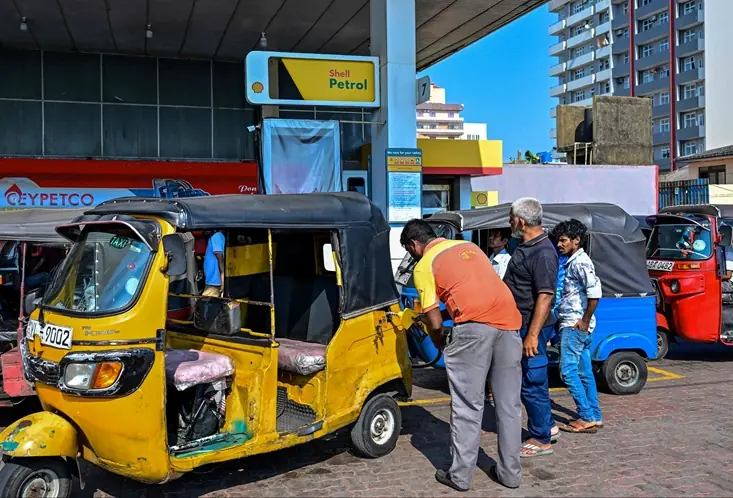






The Dangote Petroleum Refinery has introduced a minimum purchase requirement of 500,000 litres of petrol for oil marketers wishing to benefit from its free delivery scheme, sparking debates across Nigeria’s downstream petroleum sector.
The PUNCH reported that a senior refinery official said, “Yes, the Minimum Order Quantity for the free delivery is 500,000 litres.”
At the refinery’s gantry price of N820 per litre, this translates to a minimum outlay of about N410 million, equivalent to at least 11 trucks of 45,000 litres each.
The requirement has raised concerns among independent petroleum marketers, who argue that the benchmark is too high for most operators to meet.
Chinedu Ukadike, National Publicity Secretary of the Independent Petroleum Marketers Association of Nigeria, confirmed that members were struggling with the threshold.
“Yes, it is true. We have to buy a minimum of 500,000 litres. That requirement has not been easy to follow,” he said.
Ukadike explained that the association was compiling a list of members who could pool resources to meet the refinery’s benchmark, adding that without such collaboration, the free delivery scheme could be hijacked by middlemen, leading to profiteering and bureaucracy in the fuel supply chain.
“The current situation would bring back middlemen. We usually just buy one truck before, but now we have to buy 11 trucks. That is why we are encouraging members to group themselves to access products directly from Dangote,” Ukadike stressed.
Energy analyst Olatide Jeremiah criticised the requirement, describing it as unrealistic for the majority of retail station owners.
“At ₦820 per litre, marketers must raise over ₦400m to qualify. How many operators can afford that? Many will have no choice but to rely on wholesalers,” Jeremiah said.
He argued that the policy could inadvertently strengthen middlemen, undermining the refinery’s goal of reducing costs and providing direct delivery to retailers.
“The only way to eliminate middlemen is to allow marketers to load and pay per truck. Requiring 11 trucks per order risks keeping depot operators and wholesalers in business, which is exactly what Dangote wants to avoid,” he warned.
Jeremiah also noted that if nothing changes, the refinery is only encouraging middleman activities, and depot operations will remain viable, defeating the original purpose of the free delivery programme.
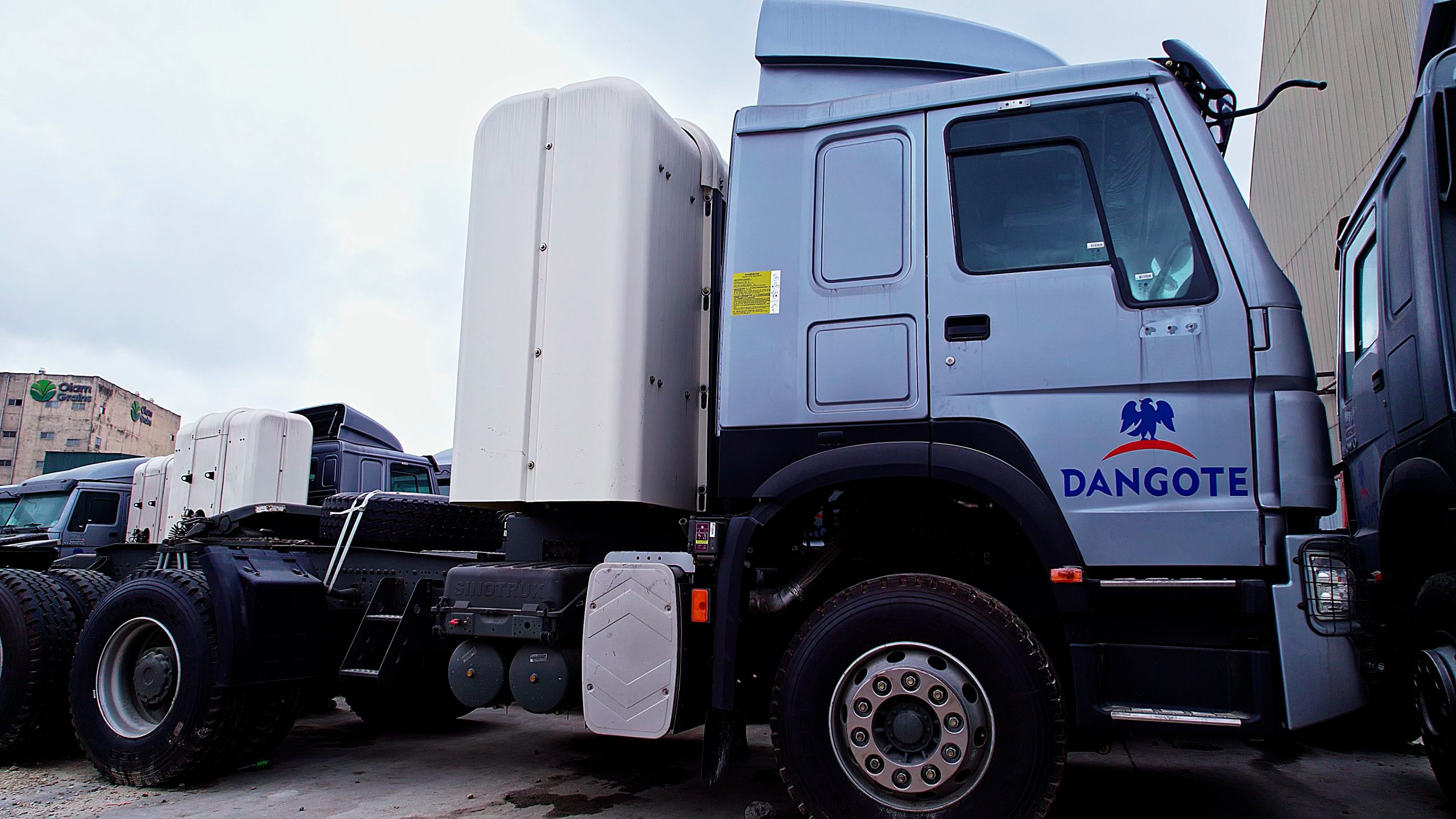
The Dangote Refinery unveiled a free delivery initiative earlier this month, backed by 1,000 compressed natural gas-powered trucks, aimed at cutting supply chain costs and ensuring cheaper pump prices for Nigerians. However, the scheme has triggered strong opposition from tanker owners and fuel distributors.
The President of the National Association of Road Transport Owners, Yusuf Othman, criticised the initiative, arguing that it undermines existing agreements between his members and fuel buyers.
“NARTO members own over 30,000 trucks, and we cannot do fuel distribution free of charge. Many of our members took bank facilities to buy trucks based on signed contracts. If Dangote delivers fuel directly for free, those agreements collapse,” Othman lamented.
Stakeholders now fear that instead of reducing costs, the new threshold could distort the market, leaving small operators sidelined while wholesalers reassert control. Industry watchers argue that without adjustments, the refinery risks alienating the very marketers it needs to ensure broad distribution nationwide.