
The Lagos Metropolitan Area Transport Authority has begun phasing out diesel-powered buses from the state’s regulated public transport system, with operators adding new vehicles now restricted to compressed natural gas and electric vehicles.
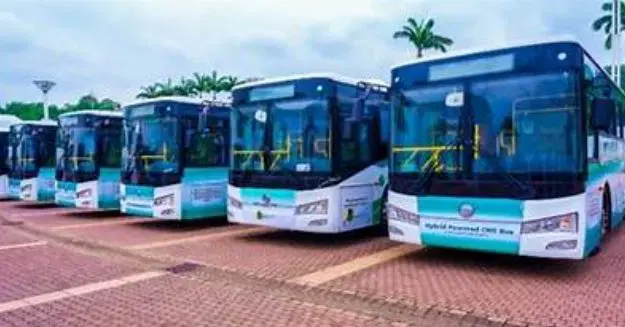
LAMATA Managing Director/CEO, Engr. Mrs. Abimbola Akinajo, disclosed this while speaking to journalists on the sidelines of the handover of 20 additional high-capacity CNG buses under the Presidential Initiative on CNG and EVs.
The policy, which took effect at the beginning of 2026, means LAMATA will no longer approve new diesel-powered buses for operators in the regulated public transport system. Existing diesel buses will be gradually phased out and replaced with CNG and electric alternatives.
Akinajo said the policy is part of Lagos State’s commitment to achieving net-zero emissions by 2050, with the transport sector identified as a major source of emissions.
She said LAMATA had directed operators introducing new buses into the regulated public transport system to adopt CNG or electric vehicles, rather than diesel-powered buses.
“We know that transport is one of the major sources of emissions, and LAMATA has now told all our operators bringing in new buses that we will no longer accept diesel buses.”
“We will only work with CNG or EV buses, and this has been the policy since the beginning of the year,” Akinajo said.
She added that LAMATA would progressively phase out existing diesel buses, with all vehicles operating within the regulated transport system expected to be powered by either CNG or electricity during the transition.
In the long term, the transport authority plans to move the regulated bus system fully to electric buses.
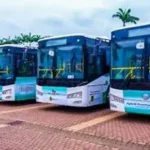
Before the handover of the additional buses, LAMATA had about 150 CNG buses in its fleet, alongside high- and medium-capacity electric buses. The 20 new CNG buses will further expand the fleet, with some potentially deployed on the Ikorodu-TBS corridor, where passenger demand remains high.
Akinajo said the transition to CNG and electric buses was also helping LAMATA manage rising operating costs in the regulated public transport system, particularly amid higher diesel prices.
She said diesel, which sold for about N950 per litre at the beginning of the year, now costs between N1,950 and N2,100 per litre, depending on the source.