

Lagos State is planning a major shift in its long-term transport strategy, moving away from road expansion toward a multimodal system built around rail, Bus Rapid Transit, and ferry services under its updated 2050 mobility master plan.
This was disclosed in a statement by the Lagos Metropolitan Area Transport Authority after a high-level stakeholders’ workshop convened to review the Strategic Transport and Mobility Master Plan.
The proposed approach reflects a major policy rethink aimed at easing worsening traffic congestion, improving citywide connectivity, and preparing for rapid population growth, with Lagos projected to reach about 45 million residents by 2050.
According to LAMATA, a workshop funded by the Agence Française de Développement brought together senior government officials, regulators, urban planners, and economic stakeholders to align on a future-ready transport strategy for Lagos.
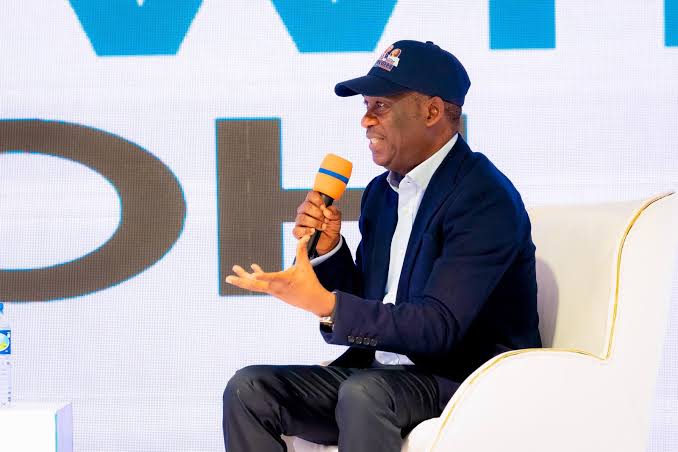
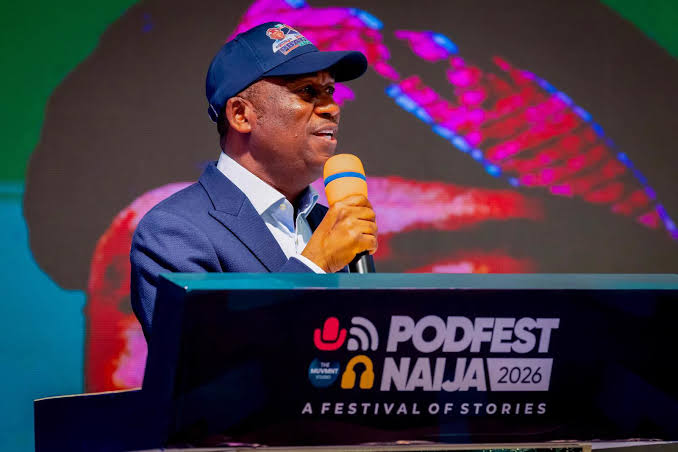
Lagos State Commissioner for Transportation, Mr. Oluwaseun Osiyemi, said the state can no longer depend solely on road expansion to solve its transportation challenges.
He said the revised strategy will prioritise expanding rail infrastructure, strengthening the Bus Rapid Transit system, and developing structured ferry services as part of an integrated multimodal transport network.
“In a decisive move to reshape urban mobility, the Lagos Metropolitan Area Transport Authority (LAMATA) convened a high-level stakeholders’ workshop to update its Strategic Transport and Mobility Master Plan (STMMP), setting a clear roadmap for Lagos’ transportation needs through 2050,” the statement read in part.
It added, “Delivering the keynote address, Osiyemi announced a major policy shift, stressing that expanding road infrastructure alone can no longer solve Lagos’ congestion challenges. He emphasized that mass transit will now anchor the state’s strategy, with a focus on expanding rail systems, strengthening Bus Rapid Transit (BRT), and developing structured ferry services into a fully integrated, multimodal network.”
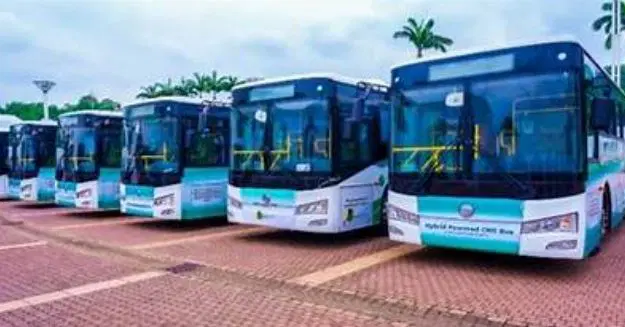
Osiyemi also said Lagos plans to modernise its public bus fleet by introducing cleaner energy alternatives, while also improving last-mile connectivity to make commuting easier and expand access across the city.
The revised framework positions mass transit as the backbone of Lagos’ future transport system, with integration expected to enhance efficiency, improve accessibility, and support long-term sustainability across the state.
According to the Managing Director LAMATA, Engr. Mrs. Abimbola Akinajo, Lagos currently records more than 20 million daily trips, highlighting the enormous scale of transport demand in the state.
She noted that updated multimodal transport surveys have been completed, alongside the development of a new travel demand model to support long-term planning and guide infrastructure investment decisions.
She added that stakeholder engagement played a key role in shaping the revised transport blueprint, which is designed to better reflect commuter patterns and future mobility needs across Lagos.
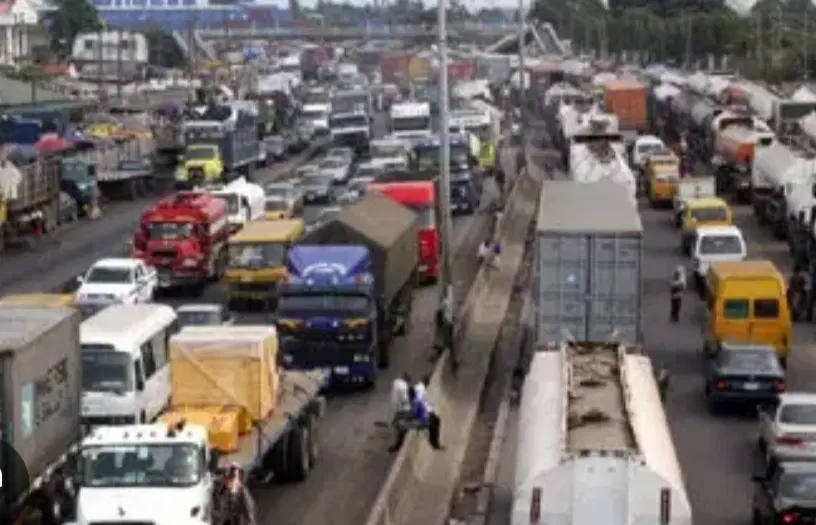
Lagos’ transport challenges have worsened over the years, driven by rapid urbanisation, population growth, and a heavy dependence on road transport.
As one of Africa’s most densely populated urban centres, the city continues to face chronic traffic congestion and extended commute times for millions of residents.
For many years, government responses centred on road expansion and bridge construction, but the pace of population and mobility demand has increasingly outstripped the growth of transport infrastructure.