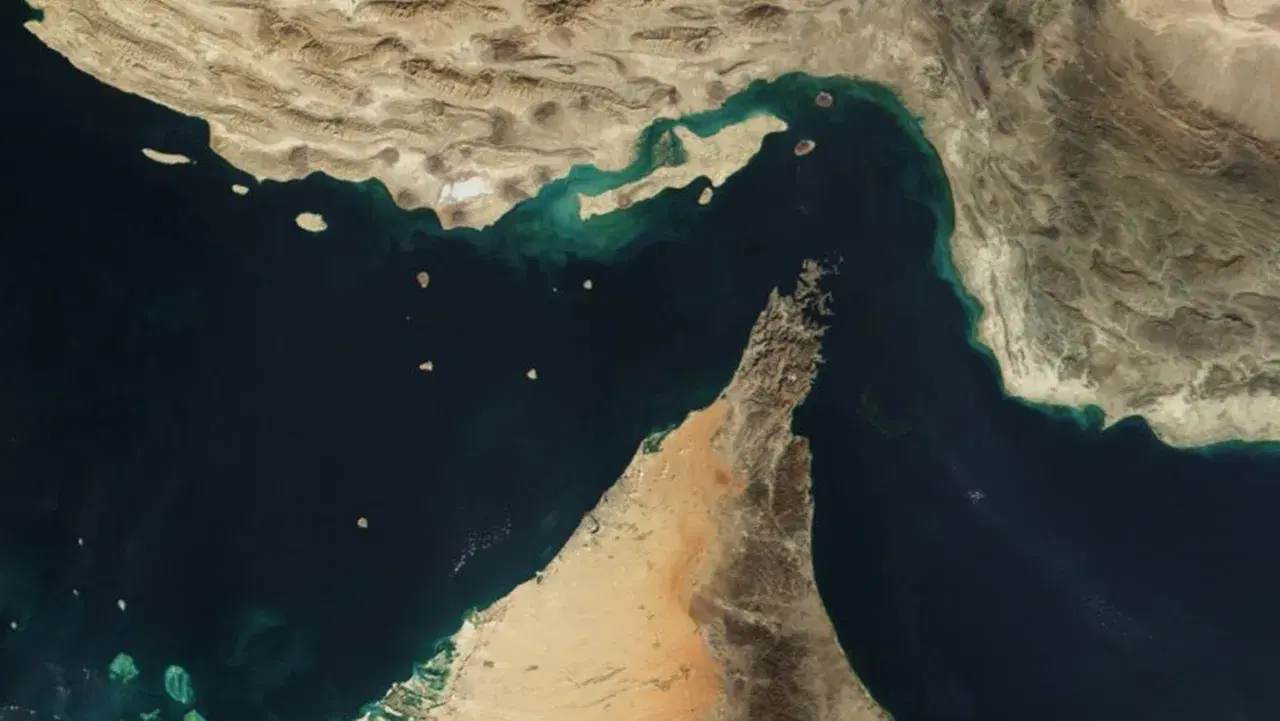


The Executive Director of the International Energy Agency, Fatih Birol,has cautioned that prolonged conflict in the Middle East and any closure of the Strait of Hormuz could have severe consequences for countries worldwide.
He warned that no nation would be shielded from the effects of the war, urging governments to brace for “difficult times in the energy market.”
Birol made this disclosure on Monday during a meeting with the International Monetary Fund and the World Bank Group, held on the sidelines of the ongoing IMF-WBG Spring Meetings in Washington, D.C.
The meeting, which examined the potential effects of the conflict on the global economy, was reportedly part of a coordination group set up in early April to strengthen institutional responses to the energy and economic shocks linked to the war.
International Energy Agency Executive Director Fatih Birol’s warning followed the breakdown of peace talks between the United States and Iran in Pakistan, which ended without any agreement.
He added that the escalation has raised further concerns over global energy security, especially after President Donald Trump threatened that the U.S. Navy could impose a blockade on vessels moving through the Strait of Hormuz.
“The world is facing the greatest energy security challenge in history. It is oil, it is natural gas, but it is also other vital commodities, such as fertilizers, petrochemicals, helium and others,” Birol said.
“The scale of the problem is huge, and countries will suffer under this, some more than others, but I can tell you no country is immune to this problem”.
Expressing concern over the ongoing conflict, Birol noted that March was a particularly difficult month for the global economy and energy markets, describing the period as one marked by heightened uncertainty and pressure across key sectors.
“…because during the month of March, we have already received cargoes which were loaded well before the crisis started to the markets, and during the month of April, nothing has been loaded,” he said.
“The longer the disruption is, the more severe the problem becomes.”
He said the International Energy Agency is currently monitoring more than 80 energy facilities across the region, including oil fields, gas fields, refineries, and export terminals, as production infrastructure continues to come under attack.
The expert further noted that about one-third of the damage recorded at these facilities is “severe or severely damaged,” warning that even after the conflict ends, recovery would take considerable time to restore production to pre-war levels.
“So, we should be ready for some difficult times in the energy markets, for the economy, and especially for those oil and gas importing developing countries whose muscles are much weaker than the others,” he said.
He said member countries of the International Energy Agency had released about 400 million barrels of oil, the largest coordinated release in history, adding that “it is hitting the markets.”
Birol noted that when the release was announced in March, oil prices dropped by nearly $20, reflecting the immediate impact on global energy markets.
“It is good, but this is not the solution. This is only reducing the pain,” he said.
The IEA executive stated that a key solution to easing the crisis would be the full reopening of the Strait of Hormuz to international trade, stressing its importance for stabilising global energy flows.